How to grow a sago palm? Detailed guide to sago palm cultivation methods
The sago palm is properly called the sago cycad (Cycas revoluta), also known as the Japanese sago palm and the phoenix pine; it is a precious and ancient relict plant. The sago palm purifies the air in the home, and many households grow one, so how do you grow a sago palm? What are the cultivation methods for the sago palm? These are the questions everyone cares about. Below are the sago palm cultivation methods collected for you.
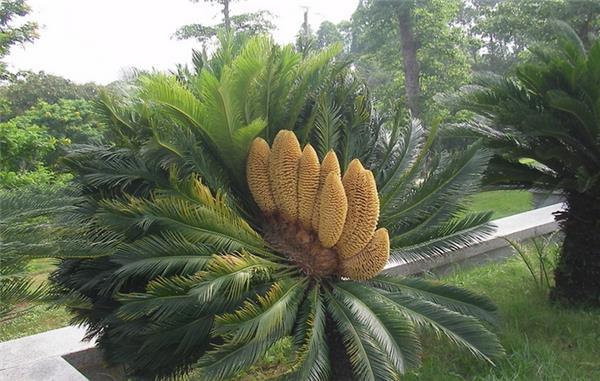
I. How to grow a sago palm
Light: The sago palm likes to grow in full sunlight, but it also adapts to a shaded spot outdoors or to bright light indoors, or a few hours of morning or afternoon sun.
Soil: The sago palm should have a well-drained soil rich in humus, although these long-lived plants seem to grow in almost anything. In a landscape or garden, make sure the plant sits slightly above the soil line rather than in a hole or depression that holds water, or in a "swamp." The sago palm prefers dry over wet.
Fertilizer: The sago palm's water and fertilizer needs match the amount of available light. Unlike most plants, which can wilt when dry or turn yellow from lack of fertilizer, the sago palm shows almost no signs when it needs water or feeding. In general, the sago palm should be treated like a cactus when watering, that is, water when it is almost dry.
Watering: If grown in a container, take care to let the soil become almost dry, then water the sago palm thoroughly by slowly adding water about to the top of the soil. If the sago palm receives morning or afternoon sun or the temperature is warm, it may need watering at least once a week. A sago palm grown in low light or cool temperatures may need water only every few weeks or so. If a hardy sago palm is planted in the landscape, water when dry, but do not keep it constantly moist. An established sago palm can easily survive drought conditions.
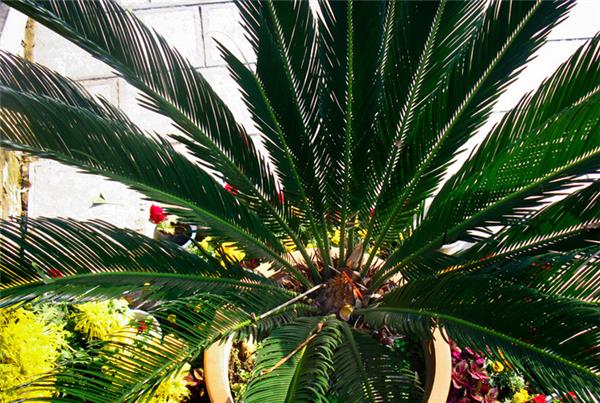
II. Notes on growing a sago palm
1. After planting the sago palm, water it thoroughly, put it in a shaded place for half a month, then move it to a spot facing north wind and sun for care. Keep the potting soil moist at all times, but not too wet; in April to May, water once every 2 days is generally fine. The sago palm does not tolerate waterlogging, so drain promptly after rain.
2. It is said that the growth and development of the sago palm requires an iron component supplied in the soil; if it is growing poorly, adding some iron powder to the soil can restore it to health. Some people simply drive iron nails directly into the sago palm's body, which also works well. You might give it a try.
3. The sago palm is prone to scale insect damage. Scale insects mostly hide on the underside of the small leaflets, and in poorly ventilated environments sooty mold is also likely to occur; pay attention to ventilation and use timely pesticide control.
4. The sago palm grows only 1 whorl of leaves per year; only after the new leaves have unfurled and matured should the old lower leaves be cut off, keeping 2 to 3 whorls of leaves, and frequent pruning is not needed. Even when transplanting into a pot or repotting, not much pruning is needed. When leaves are damaged by pests and diseases, or turn yellow and dry out due to harsh natural conditions, they should be cut off promptly.
5. Sago palms grown at home are mostly cultivated as bonsai; the cultivation methods and notes for the sago palm guide you in growing sago palm seedlings into mature plants. Yellowing sago palm leaves are often related to water, fertilizer and so on, and these factors should be checked one by one.
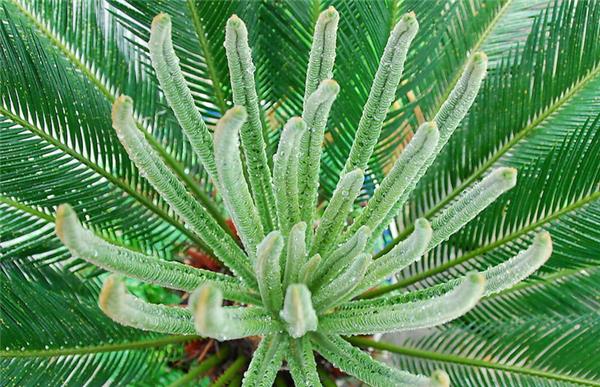
III. What to do when sago palm leaves turn yellow
Causes of yellowing sago palm leaves: 1. Soil on the alkaline side
The sago palm suits a slightly acidic sandy soil; soil alkalization will cause the sago palm leaves to turn yellow. You need to water the potting soil with a 500-times dilution of ferrous sulfate solution, once a week, for several waterings in a row, which can improve the color of the leaves.
Causes of yellowing sago palm leaves: 2. Insufficient light
When the sago palm is growing new leaves, it must be cared for in full sun; only after the leaves have hardened should it be placed in partial shade for viewing. If there is no good light during the growing period, it will not grow as one would like.
Causes of yellowing sago palm leaves: 3. Overwatering
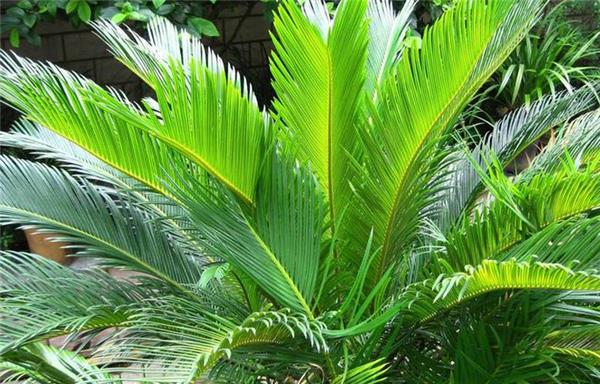
Although the sago palm needs a lot of water during the new leaf growing period, the potting soil must not stay wet for long, otherwise the roots easily lack oxygen, leading to poor growth and yellowing or stiffening of the leaves. Solution: stop watering immediately.