[The Role of the Parlor Palm] What Uses Does the Parlor Palm Have
The parlor palm (Chamaedorea elegans) is shade-tolerant, so it is very suitable as a small to medium-sized indoor potted plant, and placing it indoors can add a tropical touch. The parlor palm can decorate indoor environments such as living rooms, studies, meeting rooms, and hotel reception desks, and can also be placed in room corners or on coffee tables. So what are the uses of the parlor palm? Today, while enjoying parlor palm pictures, let us learn about the uses of the parlor palm.
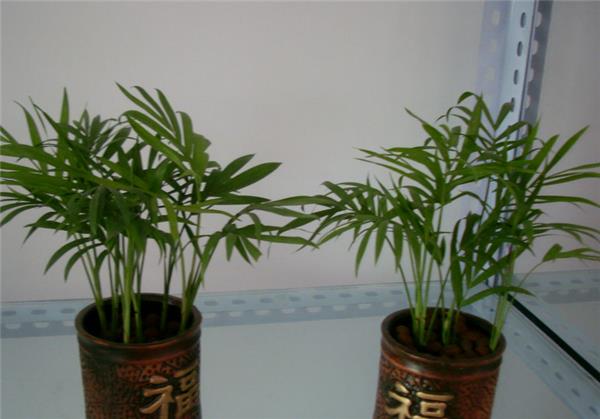
I. The Role of the Parlor Palm
The Household Role of the Parlor Palm
Placing a parlor palm in the home can purify harmful gases in the air such as benzene, trichloroethylene, and formaldehyde. The parlor palm is a "high-efficiency air purifier" among plants, and is very suitable for placement indoors or in newly renovated rooms. The parlor palm has the function of evaporating water vapor. If you grow a parlor palm at home, it can keep indoor humidity at 40-60%, especially in winter, when indoor humidity is low, it can effectively raise indoor humidity.
The Feng Shui Role of the Parlor Palm
The parlor palm is often placed in places such as living rooms, dining rooms, meeting rooms, studies, and balconies. In courtyards in tropical regions, parlor palms are mostly planted on lawns and beside tree shade, while in northern regions they are mainly used as potted plants. In a bright room it can be placed for 4 to 6 weeks for long-term viewing, and in a dark room it can be placed for 1-2 months, making it one of the highly popular high-end ornamental plants.
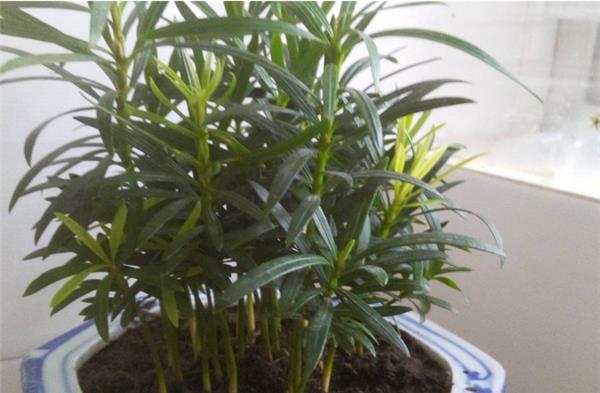
II. How to Grow the Parlor Palm
1. Seed propagation: Before sowing parlor palm seeds, you must first select the seeds. Of course, the seeds selected for sowing must be good, free of pests, and not deformed.
2. Light: The parlor palm naturally loves light, and its growth cannot be separated from sunlight, because the cuttings still need to continue photosynthesis to produce nutrients and rooting substances to supply their rooting needs.
3. Temperature: The parlor palm likes warmth, and the suitable temperature for growth is about 18-24°C, entering dormancy at 13°C. In winter it is best not to go below 10°C.
4. Watering: Watering is an indispensable part. The parlor palm likes water, and during the growing period the soil should be kept moist; during the dormant period, wait until two-thirds of the potting soil is dry before watering.
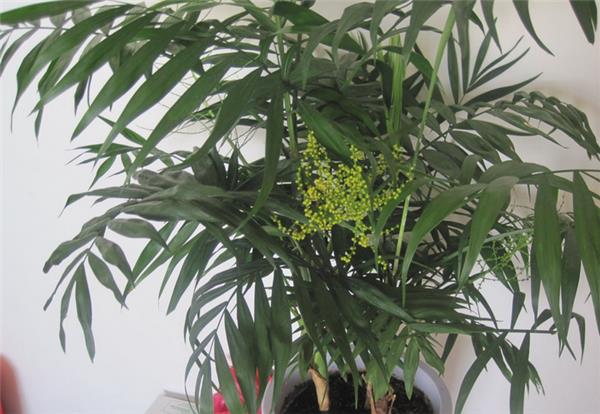
III. Can the Parlor Palm Protect Against Radiation
Perhaps in front of your computer, or in your bedroom, there is a potted plant, which you can look at when you are tired; after all, looking at some green plants makes your mood a bit better. Moreover, our bodies receive radiation from various electrical appliances every day, so we really need a potted plant to help us absorb some computer radiation.
So can the parlor palm protect against radiation?
Actually, ordinary flowering plants cannot absorb radiation, though they can absorb harmful gases in the air. If your home has just been renovated, or you feel the air quality has been very poor recently, then you can place a few pots of parlor palm in the bedroom: first, to purify the air, and second, to please the eye and delight the mood, which is quite nice.
If you want to place a radiation-proof plant in the office, then you can choose cactus, dragon fruit plant (Hylocereus undatus), aloe, golden barrel cactus, spider plant, and so on, adding a touch of green to your life, which is truly excellent.
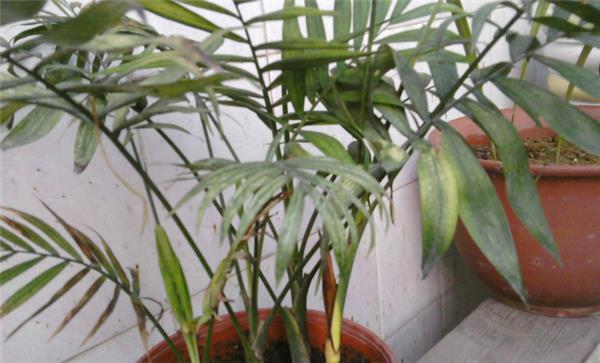
If you have such a pot of parlor palm in your bedroom, then remember to fertilize it once a month, and remember to help water it. Considering that the parlor palm also needs oxygen, you can place it on the windowsill, so you do not need to worry about it stealing your oxygen in the early morning.