[How to Grow a Parlor Palm]Parlor Palm Growing Methods
The parlor palm (Chamaedorea elegans) is a very common household decorative plant. Small parlor palms can be grown as potted plants, placed on a desk or tabletop as a prized showpiece, and are also suitable for hanging indoors to decorate a space. Larger plants can be displayed in halls, meeting rooms, waiting rooms and similar places, making them an important foliage plant for beautifying interiors; in recent years they have become popular all over the world. So what should the growing methods for parlor palms be? And if the leaves turn yellow, how should that be dealt with?
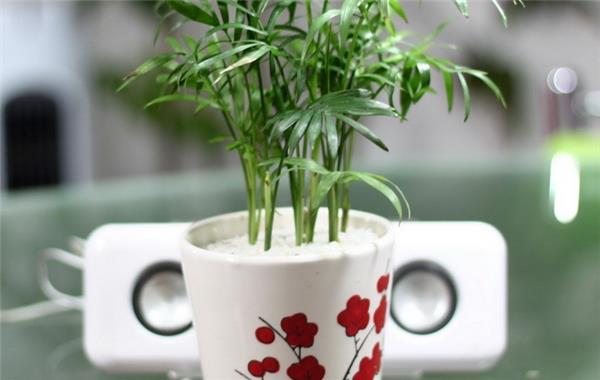
I. How to Grow a Parlor Palm
1. Light: The parlor palm likes semi-shade; under strong sunlight its leaves turn scorched yellow, while if it is kept in a spot with insufficient light for a long time, the plant becomes leggy and thin. So indoors it is best placed in a bright spot by a window.
2. Temperature: The parlor palm likes warmth; the suitable growing temperature is 18-24 degrees Celsius, and it enters dormancy at 13 degrees Celsius. In winter it is best not to let it go below 10 degrees Celsius.
3. Water: The parlor palm likes water; during the growing period the soil should be kept moist, and during dormancy you should wait until two-thirds of the potting soil is dry before watering again. In addition, the parlor palm likes high air humidity; if it is too dry, the leaf tips turn brown. So during dry periods, such as in autumn, measures such as frequent misting of the leaves should be taken to raise the air humidity around the plant.
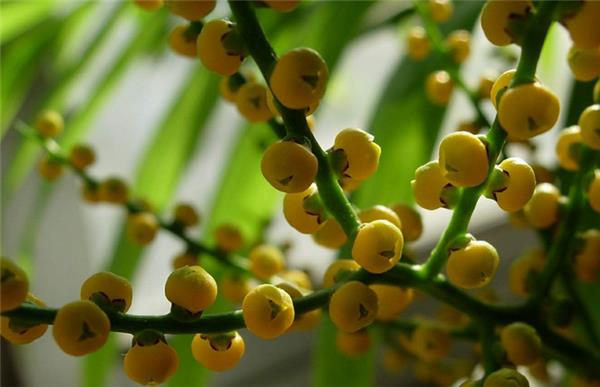
II. Growing Methods for Hydroponic Parlor Palms
The parlor palm has fine, underdeveloped roots, and in a hydroponic environment new roots emerge slowly; however, the old roots are firm and not easily rotted. Generally the roots are not pruned; once the roots have filled the space, one-third of the roots can be removed, and the withered yellow leaves removed at the same time. After rinsing the growing medium, repot into a pot one size larger.
Watering: In summer the parlor palm should be watered 2 to 3 times a day; in winter the amount of watering should be controlled. Clean the fixing medium every 6-8 weeks, especially in summer, so that harmful substances do not harm the parlor palm. The pH value of the parlor palm nutrient solution needs to be checked frequently; too alkaline a solution will turn the parlor palm leaves yellow. The parlor palm absorbs water fairly strongly, so when the water level drops, top up the water to the specified level in good time.
Light: The parlor palm prefers a shaded environment; a hydroponic parlor palm should not be placed near a south-facing window, but rather on a north, east or west windowsill, or in a place of equivalent light. In a darker spot the parlor palm's leaves grow a deep green, while in direct light the leaves gradually turn yellow-green. Too much strong light can cause scorched leaves and black spots; a 60% shade net can be used for shading, which keeps the parlor palm's leaves emerald green and growing well.
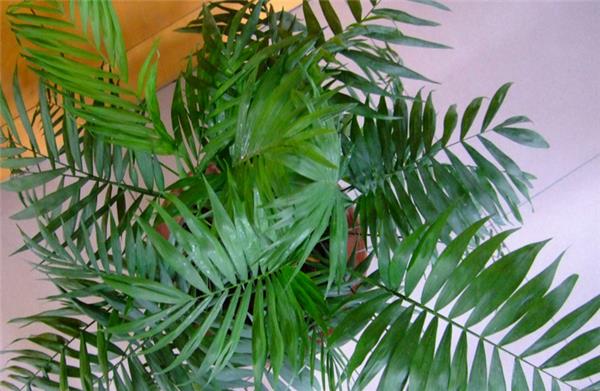
III. What to Do When Parlor Palm Leaves Turn Yellow
1. Too intense light
The parlor palm likes semi-shade; when the light is too strong its leaves become pale or yellow and it loses its ornamental value;
Solution: Keep the parlor palm in a spot with plenty of diffused light, which provides enough light for growth without causing the yellowing of leaves brought on by too intense light.
2. Too little watering
The parlor palm likes moisture and needs plenty of water; if it is watered too little, the leaves turn yellow and gradually wither and drop off;
Solution: Water regularly to keep the potting soil moist; when the air is dry in summer and autumn, mist the plant frequently to raise the air humidity of the environment.
3. Too strong fertiliser
The parlor palm has low fertiliser requirements; if too much fertiliser is applied, fertiliser burn occurs, causing the parlor palm's leaves to turn yellow;
Solution: During the parlor palm's growing season, apply liquid fertiliser 1-2 times a month; in late autumn and winter, apply a little fertiliser or none at all.
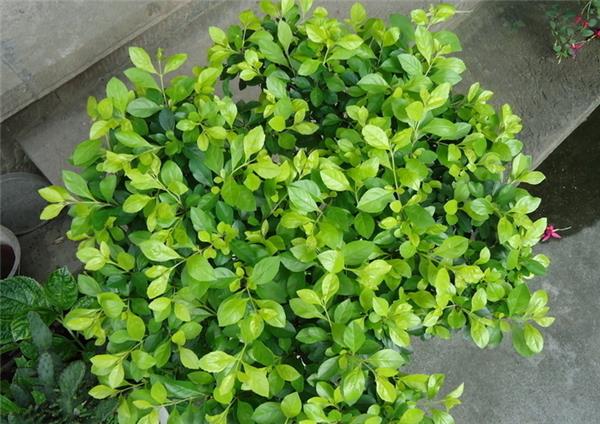
The parlor palm looks somewhat similar to the areca palm (Dypsis lutescens) and is one of the green plants commonly used in homes; its decorative effect is very good, and it can also purify the air. If you also need a plant to beautify and purify your home, then what are you waiting for?