What to Do When a Small Ficus Bonsai Drops Its Leaves? A Full Guide to the Correct Care Methods
With its verdant green leaves, evergreen foliage, gnarled roots and ancient, dignified appearance, the ficus is an excellent material for indoor bonsai. Through pruning, branch training, wiring and grafting, a small ficus bonsai can have its growth controlled and be cultivated into a uniquely shaped ficus bonsai. Next, let us introduce indoor bonsai growing methods and how to grow a small ficus bonsai. What should you do when a small ficus bonsai drops its leaves?
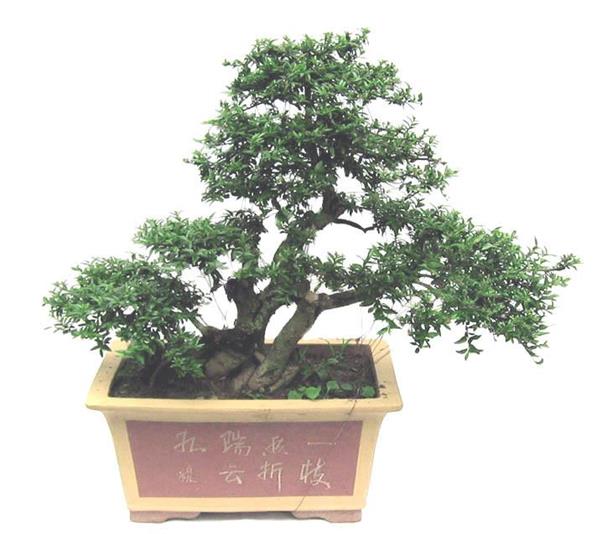
Summary of the Causes of Leaf Drop in Small Ficus Bonsai
1. Improper watering. When watering a ficus, you must stick to the principle of "don't water until dry, and water thoroughly when you do." Here, "dry" refers to the surface of the potting soil being dry, not the potting soil being completely dry. Of course, even if it does dry out completely, it will not cause much harm to the ficus in a short time, because ficus leaves are thick and small and have a certain drought tolerance.
2. Improper fertilizing. Ficus should be fertilized with dilute fertilizer applied frequently. Avoid using high-concentration chemical fertilizers or organic fertilizers that have not been fermented and decomposed, otherwise fertilizer burn will occur, causing leaf drop in mild cases and death in severe cases.
3. Insufficient light. Ficus grows well in an environment with sufficient light. In the high-temperature period of summer, if 30-50% shade can be provided, the leaf color will appear even more emerald green, but when the temperature is below 32°C, it is best not to shade, so as to avoid leaf drop.
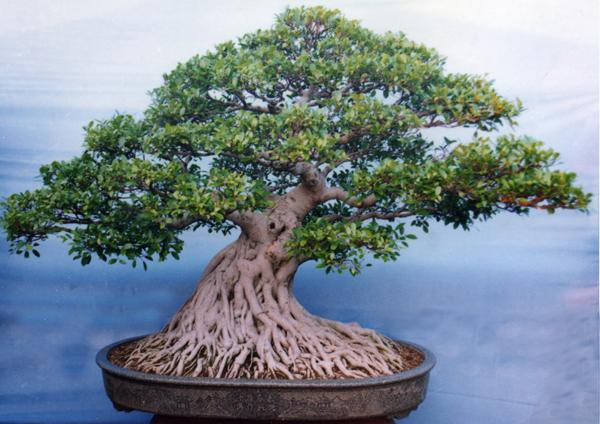
4. Caused by pests. The main pests that cause leaf drop in ficus are red spider mites and scale insects. Although thrips can also cause damage, this pest only curls leaves and sucks sap, so its harmfulness is somewhat less than the above two, and thrips are also easier to control; you only need to remove and destroy the curled leaves. Red spider mites are relatively small, and the damaged areas are generally on the underside of leaves. They are caused by poor ventilation and dry air. You can rinse the whole plant with plenty of water and then spray with miticides, such as manjing and kemai. Scale insects mostly damage stems, leaf stalks and other areas. They vary in size and color and come in shapes such as round and oval. They generally do not move, but they are quite harmful and need to be controlled promptly. You can brush them off with a toothbrush or wipe them clean with a cloth, or spray a 0.2% solution of washing powder or essential balm, or spray pesticides such as methidathion for control; all give good results.
Growing Environment for Small Ficus Bonsai:
The ficus is a tree species from the south. This kind of bonsai is generally placed in a ventilated, light-transmitting spot with a certain amount of spatial humidity, and the temperature should be controlled.
If placed indoors for viewing, the time should not be too long; generally after about 20 days it should be moved outdoors for recuperation. Summer and autumn are the growing seasons; apply a fully decomposed cake fertilizer once a month, and keep the potting soil moist; it should not be too wet, and you can frequently spray water on the leaves and surrounding area; increase environmental humidity. In summer, avoid exposure to strong sun. In winter, when the temperature is around 5°C, move it indoors to a sunny, warm place to keep it warm and prevent frost damage. Use loose, well-draining leaf mold soil; the usual ratio is garden soil / humus soil / sand: 2:2:1. In winter, the potting soil should preferably be on the dry side.
Note: If sunlight is insufficient, ventilation is poor, and there is no certain amount of spatial humidity, the plant can turn yellow and dry out, leading to pest and disease problems, and eventually death.
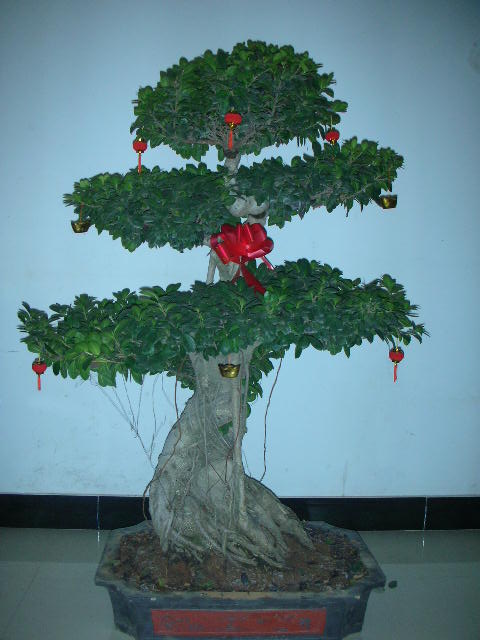
Key Points for Growing Small Ficus Bonsai
Soil requirements: The growing soil for ficus bonsai is generally required to be loose, breathable, slightly acidic black stone powder mud, river sand, construction stone powder, coal cinders, etc., and these growing soils are relatively easy to obtain.
Watering requirements: When planting a ficus bonsai, it is enough to cover the roots with the growing soil; for inserted trees, a depth of about 3 cun is suitable. After watering to settle the roots, place it in a cool, sheltered spot for care; for ground planting, use a cover to provide shade. Watering can be determined according to weather conditions, keeping the growing soil moist but not waterlogged. Too much waterlogging easily causes the roots to turn black and necrotic. If a ficus that has already established itself is waterlogged for a long time, it easily produces only roots and no branch or trunk growth. During the dog days, if it is not watered for two or three days, the tree will not die of drought, but once it is watered, the leaves will wilt and drop, affecting growth. Therefore, water management should follow the principle of watering when dry and withholding when wet.
Fertilizing requirements: The ficus is a tree species that likes plenty of water and fertilizer and can tolerate both drought and moisture. After the tree stump enters normal care, use decomposed human and animal manure or rotted cake fertilizer as a top dressing, applying it once or twice a day as a foliar feed. When transplanting or repotting, rotted chicken manure, soybean cake or bone meal can also be mixed into the growing soil as a base fertilizer. Sufficient fertilizer will make the branches and trunk grow quickly and thicken quickly, allowing more pruning times per year and achieving the goal of shortening the cultivation period.
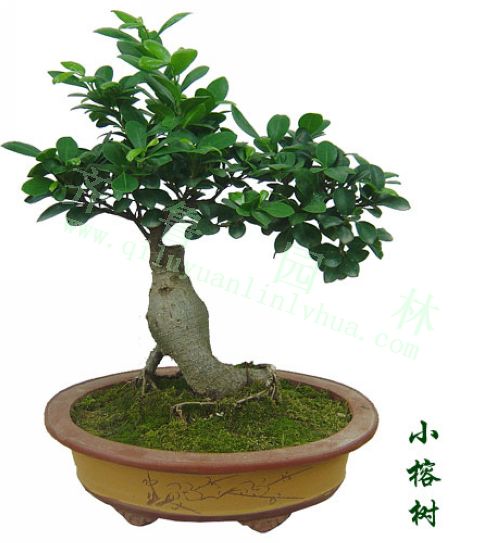
Light environment: Ficus bonsai should generally be placed in a ventilated, light-transmitting spot and needs a certain amount of spatial humidity. If sunlight is insufficient, ventilation is poor, and there is no certain amount of spatial humidity, the plant can turn yellow and dry out, leading to pest and disease problems, and eventually death. Pruning key points: Do not blindly cut branches. First let them sprout. For a newly planted old stump, it is best not to prune in the first year. If there are too many branches, pruning should be carried out between March and April. Each time, cut off a small number of messy branches, and do it in several sessions. Once too much is cut, it will affect the growth of the roots and the entire stump.
Pruning key points: For a ficus stump to become a ficus bonsai, pruning is a very important process. In the first year, first build its root foundation and nourish its vitality, only removing buds in the wrong positions. Only in the second year, after the branches have grown thick and become woody, may you use scissors. Pruning should be primary and wiring secondary. Pruning once a year is suitable; for vigorous growth, you may prune twice. After the forked branches growing from the shortened branches become thick and strong, prune again. Repeat this process. If pruning is done properly and skillfully, within four years a fine bonsai will appear before your eyes.
There must be a certain amount of spatial humidity. If sunlight is insufficient, ventilation is poor, and there is no certain amount of spatial humidity, the plant can turn yellow and dry out, leading to pest and disease problems, and eventually death. Pruning key points: Do not blindly cut branches. First let them sprout. For a newly planted old stump, it is best not to prune in the first year. If there are too many branches, pruning should be carried out between March and April. Each time, cut off a small number of messy branches, and do it in several sessions. Once too much is cut, it will affect the growth of the roots and the entire stump.Pruning key points: For a ficus stump to become a ficus bonsai, pruning is a very important process. In the first year, first build its root foundation and nourish its vitality, only removing buds in the wrong positions. Only in the second year, after the branches have grown thick and become woody, may you use scissors. Pruning should be primary and wiring secondary. Pruning once a year is suitable; for vigorous growth, you may prune twice. After the forked branches growing from the shortened branches become thick and strong, prune again. Repeat this process. If pruning is done properly and skillfully, within four years a fine bonsai will appear before your eyes.