Calendula: Benefits, Effects and Correct Ways to Use It
Calendula has many names, but almost all of them contain the word "gold," because its flowers are golden yellow. Calendula has a great many benefits and effects. Do you know what they all are?

Calendula's nutritional value:
Calendula is also called pot marigold, golden marigold, everlasting chrysanthemum, sober-up flower, ever-spring flower, golden bloom and so on. The benefits and effects of calendula are that its flowers and leaves have anti-inflammatory and antibacterial effects, its root can move qi and invigorate blood, and its flowers can cool the blood and stop bleeding. Calendula's beauty benefits should not be overlooked either; it has a highly moisturizing effect on dry skin.
1. Calendula has an extremely strong healing ability: it disinfects and tightens wounds, treats inflammation, acne and enlarged pores, and prevents the formation of scars.
2. Calendula, also known as pot marigold, is mild and bland in nature and flavor, and its flowers and leaves have anti-inflammatory and antibacterial effects. Its root can move qi and invigorate blood, and its flowers can cool the blood and stop bleeding. In European folk medicine it has long been used externally on various inflammations of the skin and mucous membranes, and it can also be taken internally to treat various inflammations and ulcers. Because of its beauty benefits, calendula has been listed as one of the functional ingredients of cosmetic brands such as Kiehl's and Switzerland's magic care.
3. Calendula can moisturize dry lips and promote skin metabolism. It has a highly moisturizing effect, especially on dry skin.
4. Calendula soothes the skin and improves sensitive skin types. It also has the effect of repairing scars.
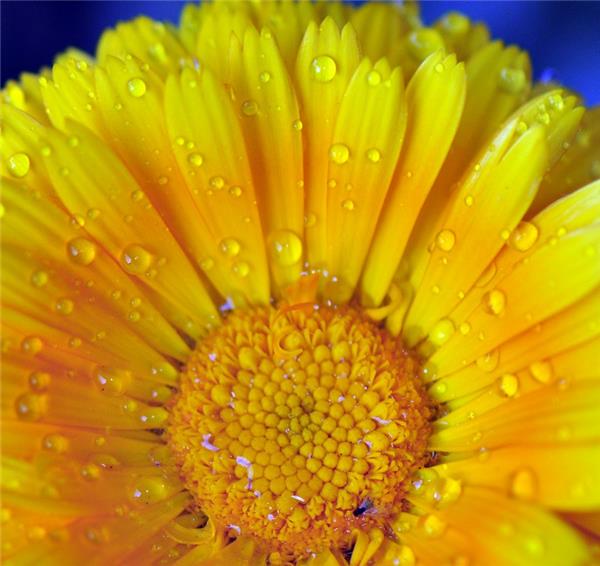
How to use calendula:
Calendula is not only beautiful; its fruit is rich in vitamin C, calenduloside and other components, and it has a certain effect on maintaining cardiovascular function and preventing diseases such as vascular hardening and high blood pressure.
1. As a dietary health product, candied calendula can stimulate the appetite, and drinking calendula juice can promote saliva and quench thirst. Taken with radish juice or pear juice, it can treat coughs. Calendula is sweet and warm in medicinal nature, and can regulate qi, relieve depression and dissolve phlegm.
2. Its medicinal methods include: for chronic bronchitis, stew calendula with rock sugar in a double boiler and take it. For indigestion, decoct calendula, scorched malt and scorched hawthorn in water and take it. For chronic hepatitis, simmer calendula and Scutellaria barbata into a thick juice and take it with sugar. For cold pain in the stomach, decoct calendula and Evodia rutaecarpa in water and take it. Decocting calendula, ageratum and ginger together can treat nausea caused by cold, and decocting calendula with codonopsis as a tea substitute can prevent miscarriage.
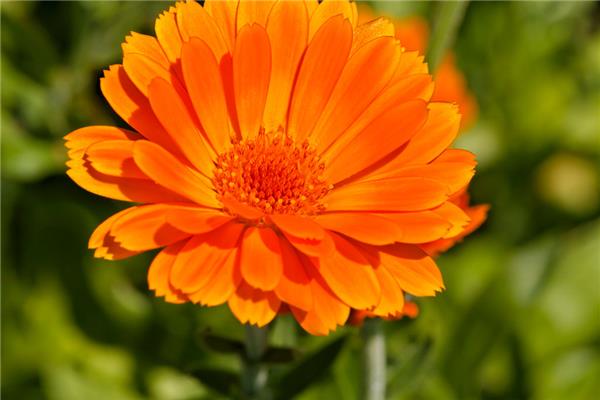
3. Calendula tea is made by steeping a large spoonful of dried petals and letting it sit for about 10 minutes. The golden tea sets off the floating golden petals, with a delicate fragrance, and it tastes sweet with a slight bitterness; honey can be added to adjust it. Drinking calendula tea when you have a cold helps bring down a fever, and it cools and reduces internal heat. It also has the effect of relieving spasms and promoting digestion, making it very suitable for patients with ulcers of the digestive system. In addition, it can promote blood circulation and ease alcohol poisoning, so it also has the benefit of nourishing the liver.
4. Do not drink milk within one hour before or after eating calendula, because the protein in milk will coagulate when it meets the fruit acid in calendula, making it hard to digest and absorb and causing bloating and discomfort. It is also not advisable to eat a lot of calendula before meals or on an empty stomach, because the organic acids it contains will irritate the mucous membrane of the stomach wall and cause discomfort in the stomach. When you have a sore, itchy throat or a cough, do not add sugar to calendula tea; adding too much sugar is more likely to produce phlegm.
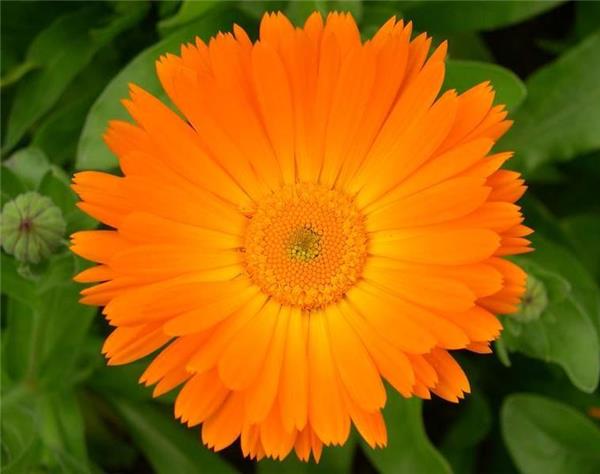
It seems this little calendula really does have great value, and it truly should not be underestimated. If you also like this plant, then hurry and grow a pot at home; calendula can be grown in pots, and growing calendula is also a good thing for your physical and mental health.