Calendula Growing Tips: How to Grow Calendula So It Blooms
Calendula is a plant that is easy to love on the strength of its name alone, and its brilliant flower colors readily catch the eye, so that at a glance it seems as though all confusion has been lit up and driven away by it. Of course, its practical value is also very great, and it needs careful tending when grown.
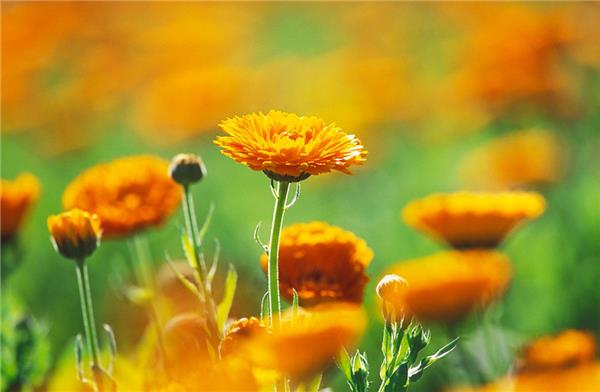
The Benefits of Calendula
1. Calendula has a strong resistance to sulfur dioxide and also has a certain resistance to cyanide and hydrogen sulfide. It is an excellent pollution-resistant flower and a main material for spring flower beds, and can be used as a cut flower or a potted plant.
2. Calendula is rich in a variety of vitamins, especially vitamin A and vitamin C; almost all of its parts can be eaten; its petals have a cosmetic function, and the flowers contain carotenoids, lycopene, violaxanthin, rubixanthin, volatile oil, resin, mucilage, malic acid and so on. The roots contain bitter substances and arnidiol; the seeds contain glycerides, wax alcohol and alkaloids. Placed in shampoo, it can make hair color lighter.
3. Calendula is mild and neutral in nature and flavor, and its flowers and leaves have anti-inflammatory and antibacterial effects. The root can promote the flow of qi and invigorate the blood, while the flowers can cool the blood and stop bleeding. In European folk medicine it was applied externally for various inflammations of the skin and mucous membranes, and could also be taken internally to treat various inflammations and ulcers. The fresh flowers can be put in salads and eaten.
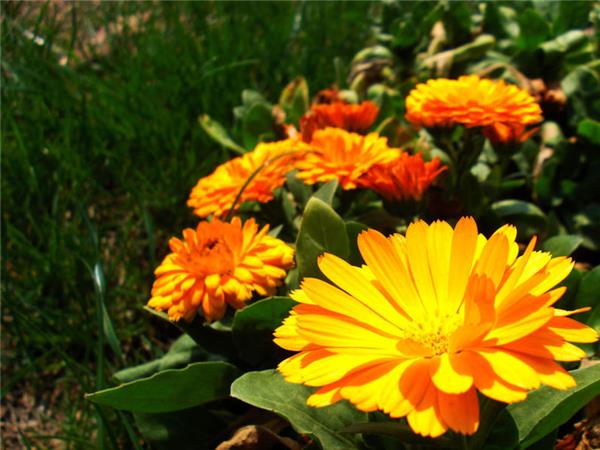
How to Grow Calendula
Soil: Calendula is not choosy about soil, but a fertile, loose, well-drained sandy loam or potting mix is preferable, with a soil pH of 6-7 being best. A suitable soil environment can make calendula branch more and produce larger and more numerous flowers.
Potting or transplanting: When putting young seedlings into pots, first place a 2-2 cm thick layer of coarse-grained substrate or ceramsite at the bottom of the pot as a drainage layer, sprinkle a layer of fully decomposed organic fertilizer on top as a base fertilizer, about 1-2 cm thick, then cover with another layer of substrate about 1-2 cm thick, and then put in the plant, so as to separate the fertilizer from the roots and avoid burning the roots.
Sunlight: It cannot do without sunlight, but the stronger the light, the higher the temperature inside the cuttings, the more vigorous the transpiration of the cuttings, and the more water they consume, which is not conducive to the survival of the cuttings. Therefore, after cuttings are taken, 50-80% of the sunlight must be shaded out, and after the root system has grown, the shade net should be gradually removed: on sunny days, remove the shade net at 4:00 p.m. each day, and put the shade net back before 9:00 a.m. the next day.
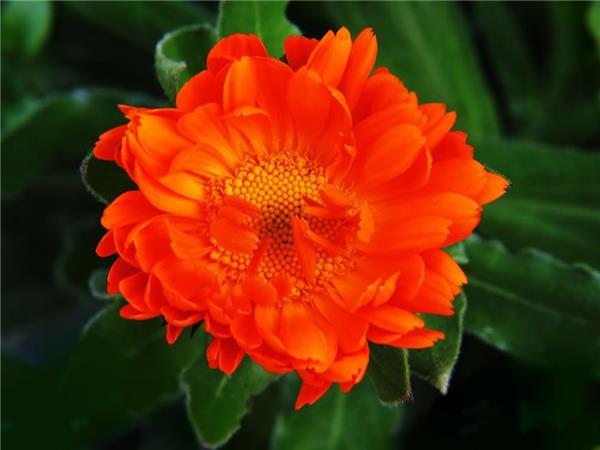
Temperature: The suitable growth temperature for calendula is 7-20°C. Seedlings can withstand a low temperature of -9°C in winter, while adult plants are best kept at 0°C. If the temperature is too low, film protection must be added, otherwise the leaves are prone to frost damage. If the winter temperature is above 10°C, calendula will grow leggy. When the summer temperature rises, the stems and leaves grow vigorously, the flowers become smaller, and the petals noticeably decrease.
Fertilizing: 7-10 days after calendula is planted out, pinching should be carried out, as this can encourage calendula to branch more. Spray the leaves of calendula 1-2 times with a 0.4% daminozide solution to regulate the plant height of calendula. During the growing period, fertilize calendula once every half month; sufficient fertilizer can make calendula bloom more and larger.
Pests and diseases: Indoor-grown calendula often suffers from fusarium wilt and downy mildew, which can be prevented and controlled by spraying with a 500-fold dilution of 65% zineb wettable powder. When the temperature rises in early summer, rust disease is often found on calendula leaves; spray with a 2000-fold dilution of 50% carboxin wettable powder. During the flowering period in early spring, it is susceptible to damage from red spiders and aphids, which can be killed by spraying with a 1000-fold dilution of 40% omethoate emulsifiable concentrate.
Pruning: Cut off the branches with old and yellow leaves once every two months; as long as the temperature is suitable, it can bloom in all four seasons.
Isn't calendula very easy to fall in love with? Seeing the way it strives to bloom and give off a golden glow, aren't you moved by it too? Growing a pot of calendula at home is sure to add a lot of brightness and vigorous vitality to your indoor life.