What are the uses of snow lotus? A detailed explanation of its medicinal value
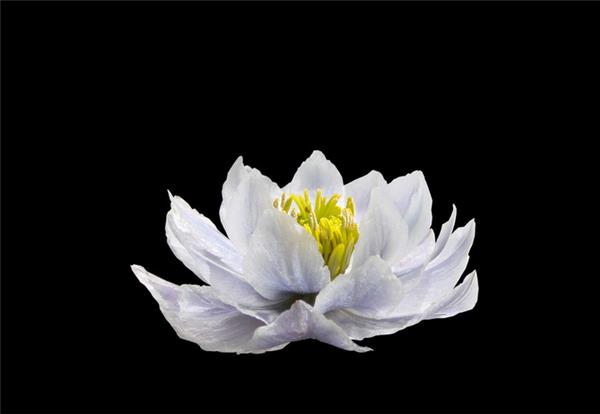
The snow lotus, as large as a lotus and jade-green in color, grows on icy peaks and cliffs. As a traditional Chinese medicinal herb, the snow lotus has a long history. The snow lotus has excellent therapeutic effects on rheumatoid arthritis, irregular menstruation and more. This article will introduce the benefits of the snow lotus and how to consume it.
I. The medicinal value of the snow lotus
Medical research has proven that the snow lotus has anti-inflammatory and analgesic effects. The beneficial substances in the snow lotus can stimulate the adrenal cortex hormone to secrete substances that reduce swelling, thereby achieving anti-inflammatory and analgesic effects.
The snow lotus contains flavonoids that scavenge free radicals and have antioxidant effects. The antioxidant effect of the snow lotus can relieve human fatigue and boost the immune system. Generally, many people make the snow lotus into medicinal liquor and drink some occasionally, thereby achieving a health-preserving effect.
The total alkaloids abundant in the snow lotus have a clear effect on protecting the cardiovascular system. The total alkaloids in the snow lotus can inhibit excessive contraction of the cardiovascular system, thereby preventing the occurrence of cardiovascular disease. In addition, the acacetin in the snow lotus can significantly prevent atrial fibrillation, thereby avoiding the occurrence of fatal ventricular fibrillation.
II. The nutritional value of the snow lotus
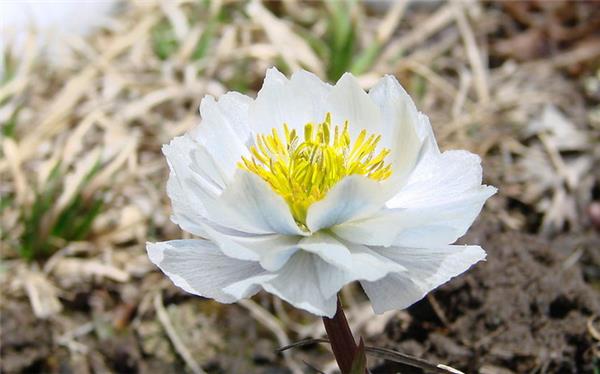
The snow lotus contains physiologically active effective components. Among them, umbelliferone has obvious antibacterial, blood pressure-lowering, sedative and antispasmodic effects; scopoletin has wind-dispelling, anti-inflammatory, analgesic, phlegm-dispelling and anti-tumor effects, with a clinical effective rate of 96.6% in treating acute and chronic bronchitis with wheezing; apigenin has smooth muscle antispasmodic and anti-gastric ulcer effects; and it has an obvious cholagogic effect on p-hydroxyacetophenone. Of particular interest is the colchicine contained in the snow lotus; this component is a typical representative of cell mitosis, can inhibit the growth of cancer cells, and is used clinically to treat cancer, with a certain efficacy especially against breast cancer, and also has certain effects on skin cancer, leukemia and Hodgkin's disease. It has a specific effect on acute attacks of gout, reducing inflammation and quickly relieving pain within 12-24 hours, and long-term use can reduce the number of attacks.
III. The benefits of soaking the snow lotus in liquor
The snow lotus needs about 3 years to bloom and bear fruit normally, and after the snow lotus blooms it is not easy to preserve, so people make it into dried flower products to retain its original medicinal efficacy.
Snow lotus and cordyceps
We can take an appropriate amount of snow lotus and cordyceps together and soak them in baijiu for several days, then drink it orally every day. This can effectively strengthen the physique and help improve male impotence.
Snow lotus with pit viper, goji berries and angelica
We soak the snow lotus together with pit viper in baijiu, and appropriately add goji berries and angelica. After long-term use, people can improve symptoms of rheumatic disease, waist and leg disease, numbness of the hands and feet and other conditions.
Snow lotus with velvet antler, goji berries, safflower and rock sugar
We can soak the snow lotus together with velvet antler, goji berries, safflower, rock sugar and other materials and take it; seal it for about half a month, then take an appropriate amount every day. It has the effects of relaxing the tendons and invigorating blood circulation, tonifying the kidney and strengthening yang, and reducing swelling and relieving pain.
"Why is it not appreciated by people? In deep mountains and remote valleys it is left to the severe frost." This poem describes the harsh growing environment and the noble, upright character of the snow lotus. All along, the snow lotus, as a rare "sacred medicine", appears especially precious because it grows in cold, steep high mountain regions and is seldom picked by people.