Solutions and Care Tips for Money Tree Leaf Drop
The money tree is a tree species introduced from abroad, but it is quite popular in our country. Nowadays, many people grow money trees, so how can you grow a money tree well? What should you do when a money tree drops leaves?
What to Do When a Money Tree Drops Leaves
1. Overwatering
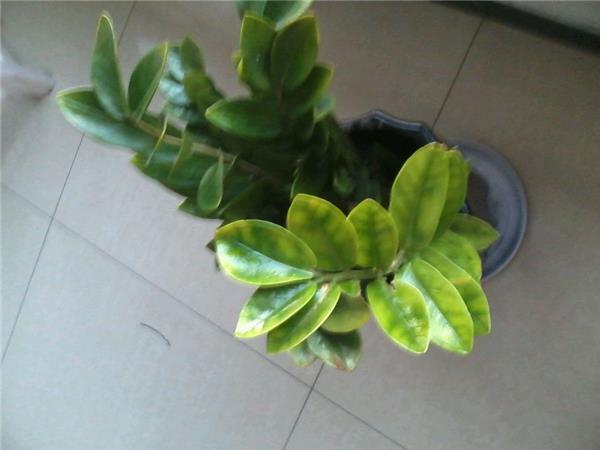
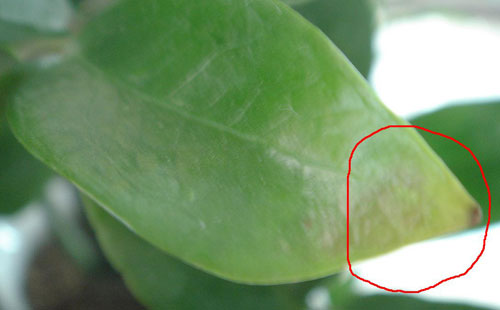
The money tree likes warm, hot conditions and is relatively drought-tolerant, but it dislikes waterlogged soil. Overwatering often causes root rot in the money tree, which in turn makes the leaves turn yellow. Take the money tree out of the pot and check whether the roots are rotten. If they are already rotten, replant it in sterilized potting soil, or bury the base of the money tree in clean sand, keep it in partial shade and control watering, only misting the branches, leaves and surroundings frequently. Only after the money tree has grown new roots again can normal care be resumed. If the roots are not rotten, place the money tree in a partially shaded spot. Because it has few leaves, the soil does not dry easily after watering, so watering should be controlled, and the leaves should be misted frequently to let the money tree slowly return to normal growth.
2. Air That Is Too Dry
The money tree likes a humid environment, and the suitable air humidity is about 85%. Air that is too dry can also cause the money tree's leaves to turn yellow. Place the money tree on a tray of wet sand, and usually mist the leaves with some water to wash away the fine dust attached to the leaves, and at the same time pay attention to providing shade. In winter, be sure to mist the leaf surfaces and the surrounding environment so that the relative air humidity can reach above 50%. In addition, special attention should be paid in winter: the potting soil must not be excessively moist, and it is better to keep it on the dry side. Otherwise, under low-temperature conditions, overly wet potting soil is more likely to cause root rot, and even the death of the whole plant.
3. Insufficient Soil Acidity
Insufficient soil acidity can also make the money tree's leaves turn yellow. The money tree's growing medium is mostly peat, coarse sand or washed coal cinder mixed with a small amount of garden soil, and its pH value should be adjusted to between 6 and 6.5, in a slightly acidic state. Because the money tree has a huge tuber, well-developed roots and relatively long pinnately compound leaves, it is best to plant it in a deeper blue-and-white porcelain pot or a purple clay pot, but more stones, brick granules or bark chunks should be placed in the lower part, about 1/4 of the pot's depth, to help create a root environment with good air permeability and drainage.
4. Improper Fertilizing
The money tree relatively likes fertilizer, but the degree must be well controlled during fertilizing. Too much or too little fertilizer will cause the money tree's leaves to turn yellow. During the growing season, apply to the money tree 2 to 3 times a month a mixed solution of 02.% urea plus 0.1% potassium dihydrogen phosphate. After the Mid-Autumn Festival, to help the money tree survive the winter safely, nitrogen fertilizer should be stopped, and 0.3% potassium dihydrogen phosphate solution should be applied 2 to 3 times in succession to promote the hardening and filling out of the money tree's young leaf rachises and newly sprouted leaves. After the temperature drops below 15°C, all forms of topdressing should be stopped to avoid fertilizer damage to the roots under low-temperature conditions.
5. Pest Infestation
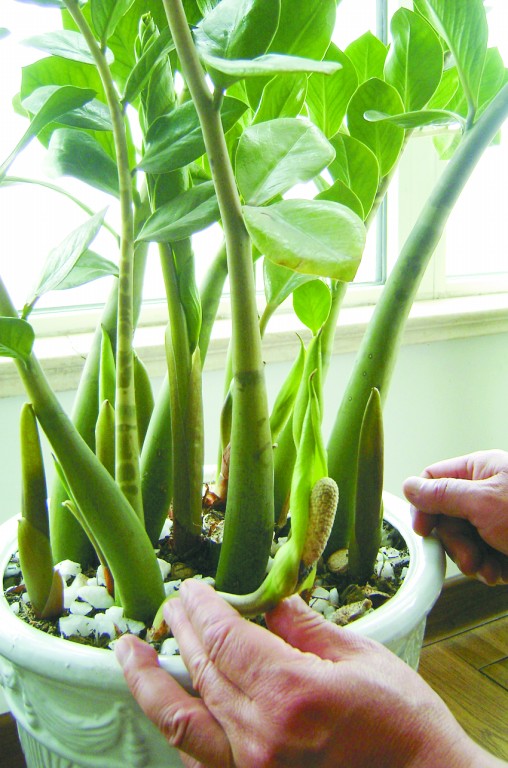
Pests are also one of the reasons the money tree's leaves turn yellow. In environments with poor ventilation and poor light, the money tree's leaves are easily attacked by scale insects that pierce and suck sap. For small-scale home growing, transparent tape can be used to stick off the insects, or a damp cloth can be used to wipe away the live insects. For commercial cultivation, during the peak hatching period of the nymphs, spray a 1000-fold dilution of 20% buprofezin wettable powder, which gives good insecticidal results.
Growing Methods
Mainly propagated by sowing, though tillering or root cuttings are also possible. Harvest when the fruit ripens in autumn, and dry it in the sun promptly to remove the shells. Because the seed coat is hard and not easily permeable to water, if untreated, spring sowing the following year often does not germinate, so sow in autumn after removing the shells, or use wet sand stratification treatment and then sow in spring. Ridge sowing is generally used, with a ridge spacing of 60-70 cm. Because the seed germination rate is low, the amount of seed used is large, with a sowing rate of 30-40 kg/mu.
(1) Seed collection: The money tree fruit matures from September to October. Select excellent individual trees that grow well, have straight trunks, open crowns and plump fruit, and are in their prime age as mother trees for seed collection. Collect promptly when the fruit shows reddish-brown or orange-yellow but the capsule has not yet split open; otherwise it will fall off on its own. However, it should not be collected too early, otherwise the seed germination rate will be low. Because the cold resistance of seeds from different provenances varies greatly, try to use local seeds for raising seedlings.
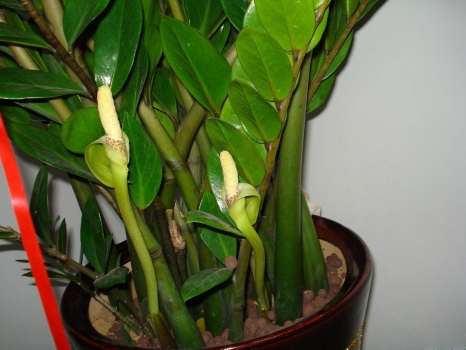
(2) Fruit processing: After collecting the fruit, remove the peel and fruit stalk, and dry it in the sun promptly or spread it out to dry in the shade. After the capsule splits open, beat it to thresh the seeds, and clean the seeds by screening. The seeds are black, round-spherical, about 0.6 cm in diameter, with a seed yield of about 20%, a 1000-grain weight of about 150 g, and a germination rate of 60%-80%.
(3) Seed storage and pre-sowing treatment: The seed coat of goldenrain tree seeds is hard and not easily permeable to water. If not subjected to germination promotion, spring sowing the following year often results in no germination or a very low germination rate. Therefore, it is best to sow in autumn of the same year, letting the seeds complete the germination-promotion stage in the soil, which can save procedures such as seed storage and germination promotion. After one winter, in the second year's spring, the seedlings emerge early and uniformly, and grow robustly.
However, when sowing in autumn, the seeds remain in the field for too long, and the management work of the sowing site is rather troublesome. Therefore, the stratification germination method is also used in production. In late autumn, choose a spot with high, dry terrain, good drainage, and shelter from the wind and facing the sun, and dig a pit. The pit is l to 1.5 m wide, with a depth above the groundwater level and below the frozen layer, about lm, and the pit length depends on the quantity of seeds. At the bottom of the pit, a layer of gravel or coarse sand about 10-20 cm thick can be spread, and a bundle of straw is inserted in the pit for ventilation. Mix the disinfected seeds with wet sand and place them in the pit. The volume ratio of seeds to sand is 1:3 or 1:5, or alternate one layer of seeds and one layer of sand. The thickness of each layer is about 5 cm. The sand's moisture should be such that it can be squeezed into a ball by hand without releasing water, and when the hand is released and touched, it disperses. Fill until about 20 cm from the ground, then cover with 5 cm of river sand and 10-20 cm of straw, etc., and dig drainage ditches around it. In March of the following year, take out the seeds and sow them directly.
For dry-stored seeds, about 40 days before sowing, soak the seeds in warm water at 80°C and then mix with wet sand for germination promotion. When the number of cracked seeds reaches more than 30%, they can be drilled in rows.
Growth Period
The money tree is mainly propagated by sowing, though tillering or root cuttings are also possible. Harvest when the fruit ripens in autumn, and dry it in the sun promptly to remove the shells. Because the seed coat is hard and not easily permeable to water, if untreated, spring sowing the following year often does not germinate, so sow in autumn after removing the shells, or use wet sand stratification treatment and then sow in spring. Ridge sowing is generally used, with a ridge spacing of 60-70 cm. Because the seed germination rate is low, the amount of seed used is large, with a sowing rate of 30-40 kg/mu.
(1) Money tree seed collection: The money tree fruit matures from September to October. Select excellent individual trees that grow well, have straight trunks, open crowns and plump fruit, and are in their prime age as mother trees for seed collection. Collect promptly when the fruit shows reddish-brown or orange-yellow but the capsule has not yet split open; otherwise it will fall off on its own. However, it should not be collected too early, otherwise the seed germination rate will be low.
Because the cold resistance of seeds from different provenances varies greatly, try to use local seeds for raising seedlings.
(2) Money tree fruit processing: After collecting the fruit, remove the peel and fruit stalk, and dry it in the sun promptly or spread it out to dry in the shade. After the capsule splits open, beat it to thresh the seeds, and clean the seeds by screening. The seeds are black, round-spherical, about 0.6 cm in diameter, with a seed yield of about 20%, a 1000-grain weight of about 150 g, and a germination rate of 60%-80%.
(3) Money tree seed storage and pre-sowing treatment: The seed coat of goldenrain tree seeds is hard and not easily permeable to water. If not subjected to germination promotion, spring sowing the following year often results in no germination or a very low germination rate. Therefore, it is best to sow in autumn of the same year, letting the seeds complete the germination-promotion stage in the soil, which can save procedures such as seed storage and germination promotion. After one winter, in the second year's spring, the seedlings emerge early and uniformly, and grow robustly.
However, when sowing in autumn, the money tree seeds remain in the field for too long, and the management work of the sowing site is rather troublesome. Therefore, the stratification germination method is also used in production. In late autumn, choose a spot with high, dry terrain, good drainage, and shelter from the wind and facing the sun, and dig a pit. The pit is l to 1.5 m wide, with a depth above the groundwater level and below the frozen layer, about lm, and the pit length depends on the quantity of seeds. At the bottom of the pit, a layer of gravel or coarse sand about 10-20 cm thick can be spread, and a bundle of straw is inserted in the pit for ventilation. Mix the disinfected seeds with wet sand and place them in the pit. The volume ratio of seeds to sand is 1:3 or 1:5, or alternate one layer of seeds and one layer of sand. The thickness of each layer is about 5 cm. The sand's moisture should be such that it can be squeezed into a ball by hand without releasing water, and when the hand is released and touched, it disperses. Fill until about 20 cm from the ground, then cover with 5 cm of river sand and 10-20 cm of straw, etc., and dig drainage ditches around it. In March of the following year, take out the seeds and sow them directly. For dry-stored money tree seeds, about 40 days before sowing, soak the seeds in warm water at 80°C and then mix with wet sand for germination promotion. When the number of cracked seeds reaches more than 30%, they can be drilled in rows.
(4) Money tree sowing: The money tree is generally raised as seedlings in open fields. The sowing site requires loose, breathable soil with good water retention and drainage performance, a certain level of fertility, and no underground pests or pathogens. For spring sowing, the sowing site is best plowed 1 to 3 times in autumn and winter to promote soil weathering, store water and preserve moisture, and eliminate weeds, pests and diseases. The land should be leveled and finely prepared. In dry areas with little rain, basal water should be irrigated well before sowing. The germination rate of goldenrain tree seeds is relatively low, so a larger amount of seed should be used, generally 50-100 g per sq m.
Dig a pit in a spot sheltered from the wind and facing the sun. The pit is l to 1.5 m wide, with a depth above the groundwater level and below the frozen layer, about lm, and the pit length depends on the quantity of seeds. At the bottom of the pit, a layer of gravel or coarse sand about 10-20 cm thick can be spread, and a bundle of straw is inserted in the pit for ventilation. Mix the disinfected seeds with wet sand and place them in the pit. The volume ratio of seeds to sand is 1:3 or 1:5, or alternate one layer of seeds and one layer of sand. The thickness of each layer is about 5 cm. The sand's moisture should be such that it can be squeezed into a ball by hand without releasing water, and when the hand is released and touched, it disperses. Fill until about 20 cm from the ground, then cover with 5 cm of river sand and 10-20 cm of straw, etc., and dig drainage ditches around it. In March of the following year, take out the seeds and sow them directly.For dry-stored seeds, about 40 days before sowing, soak the seeds in warm water at 80°C and then mix with wet sand for germination promotion. When the number of cracked seeds reaches more than 30%, they can be drilled in rows.
Growth Period
The money tree is mainly propagated by sowing, though tillering or root cuttings are also possible. Harvest when the fruit ripens in autumn, and dry it in the sun promptly to remove the shells. Because the seed coat is hard and not easily permeable to water, if untreated, spring sowing the following year often does not germinate, so sow in autumn after removing the shells, or use wet sand stratification treatment and then sow in spring. Ridge sowing is generally used, with a ridge spacing of 60-70 cm. Because the seed germination rate is low, the amount of seed used is large, with a sowing rate of 30-40 kg/mu.
(1) Money tree seed collection: The money tree fruit matures from September to October. Select excellent individual trees that grow well, have straight trunks, open crowns and plump fruit, and are in their prime age as mother trees for seed collection. Collect promptly when the fruit shows reddish-brown or orange-yellow but the capsule has not yet split open; otherwise it will fall off on its own. However, it should not be collected too early, otherwise the seed germination rate will be low.
Because the cold resistance of seeds from different provenances varies greatly, try to use local seeds for raising seedlings.
(2) Money tree fruit processing: After collecting the fruit, remove the peel and fruit stalk, and dry it in the sun promptly or spread it out to dry in the shade. After the capsule splits open, beat it to thresh the seeds, and clean the seeds by screening. The seeds are black, round-spherical, about 0.6 cm in diameter, with a seed yield of about 20%, a 1000-grain weight of about 150 g, and a germination rate of 60%-80%.
(3) Money tree seed storage and pre-sowing treatment: The seed coat of goldenrain tree seeds is hard and not easily permeable to water. If not subjected to germination promotion, spring sowing the following year often results in no germination or a very low germination rate. Therefore, it is best to sow in autumn of the same year, letting the seeds complete the germination-promotion stage in the soil, which can save procedures such as seed storage and germination promotion. After one winter, in the second year's spring, the seedlings emerge early and uniformly, and grow robustly.
However, when sowing in autumn, the money tree seeds remain in the field for too long, and the management work of the sowing site is rather troublesome. Therefore, the stratification germination method is also used in production. In late autumn, choose a spot with high, dry terrain, good drainage, and shelter from the wind and facing the sun, and dig a pit. The pit is l to 1.5 m wide, with a depth above the groundwater level and below the frozen layer, about lm, and the pit length depends on the quantity of seeds. At the bottom of the pit, a layer of gravel or coarse sand about 10-20 cm thick can be spread, and a bundle of straw is inserted in the pit for ventilation. Mix the disinfected seeds with wet sand and place them in the pit. The volume ratio of seeds to sand is 1:3 or 1:5, or alternate one layer of seeds and one layer of sand. The thickness of each layer is about 5 cm. The sand's moisture should be such that it can be squeezed into a ball by hand without releasing water, and when the hand is released and touched, it disperses. Fill until about 20 cm from the ground, then cover with 5 cm of river sand and 10-20 cm of straw, etc., and dig drainage ditches around it. In March of the following year, take out the seeds and sow them directly. For dry-stored money tree seeds, about 40 days before sowing, soak the seeds in warm water at 80°C and then mix with wet sand for germination promotion. When the number of cracked seeds reaches more than 30%, they can be drilled in rows.
(4) Money tree sowing: The money tree is generally raised as seedlings in open fields. The sowing site requires loose, breathable soil with good water retention and drainage performance, a certain level of fertility, and no underground pests or pathogens. For spring sowing, the sowing site is best plowed 1 to 3 times in autumn and winter to promote soil weathering, store water and preserve moisture, and eliminate weeds, pests and diseases. The land should be leveled and finely prepared. In dry areas with little rain, basal water should be irrigated well before sowing. The germination rate of goldenrain tree seeds is relatively low, so a larger amount of seed should be used, generally 50-100 g per sq m.