What are the uses of the Brazil wood plant? This article explains it all
Brazil wood is an evergreen plant belonging to the tree flower category, often kept as an indoor ornamental potted plant. It has a graceful form, loves high temperatures, and tolerates shade and cool conditions. It needs sufficient fertilizer. So, what are the uses of Brazil wood?
I. Uses of Brazil wood
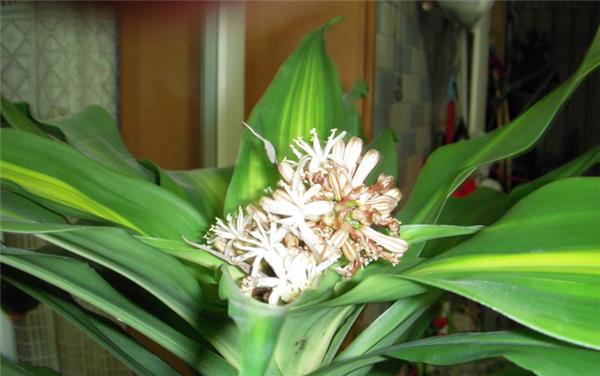
Brazil wood has a positive effect in feng shui for households whose main door faces south. A main door facing south belongs to fire, so it is suitable to plant fire-element and wood-element plants. Planting dragon's blood tree (Dracaena) increases the positive energy of fire. In this case, placing one dragon's blood tree at the living room entrance, in a hall corner, or beside the stairs helps regulate the health of a person's heart and stomach, and also helps adjust negative personality traits in some household members, such as being introverted and timid, depressed, or lacking courage and confidence in life.
From the perspective of feng shui, it benefits the family's development. The feng shui of the living room is related to family harmony and the cultivation of interpersonal connections, and ultimately affects the family's fortune and prospects. Usually, medium and small potted plants or flower arrangements are preferred, and large potted plants should be avoided to prevent easily attracting mosquitoes and creating a sense of pressure. For special festival activities, temporary arrangements can be made. Busy families can choose green foliage plants to relieve stress on ordinary days, and on leisure holidays they can switch to more colorful flowers and leaves for decoration. Placing two dragon's blood trees here is just right.
II. Winter care precautions for Brazil wood
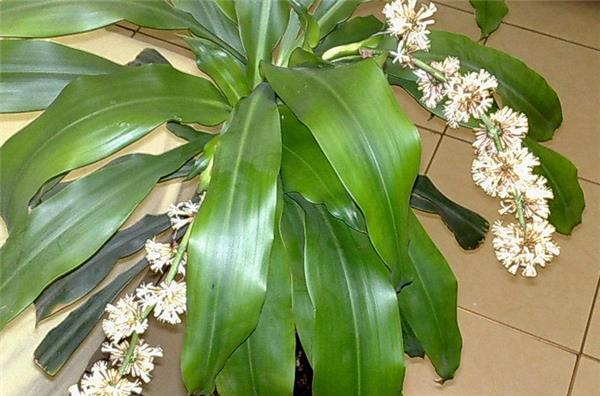
Improper winter care often leads to the following problems: leaves wilting and drooping, leaf surfaces losing their luster and looking listless, and no improvement after watering. These problems are mostly caused by root rot from too much or too little watering. At this time, the rotten roots should be removed. If the bottom trunk is rotten, it can be sawed off, soaked in 2‰ potassium permanganate water for 10-30 minutes, and buried in a well-draining substrate soil mixed with sand or ash residue. If the center of the leaf bud turns black and gradually rots outward, it is caused by too low a temperature, mostly from cold damage. If the bark of the trunk is not rotten, it can still be moved to a high-temperature place to encourage new buds, and the old buds can be removed for renewal. Scorched leaf edges or dry tips are sometimes caused by dry air, which can be improved by frequently spraying water on the leaves. Some are caused by a slightly low temperature, resulting in a slow dormant state. The optimal temperature should be 20-25°C (growth slows below 13°C, and cold injury occurs below 5°C). The yellow patterns on the leaves becoming lighter and gradually fading is caused by too dim indoor light, and it can be reversed by giving it some appropriate sunlight.
III. Are the flowers of Brazil wood poisonous?
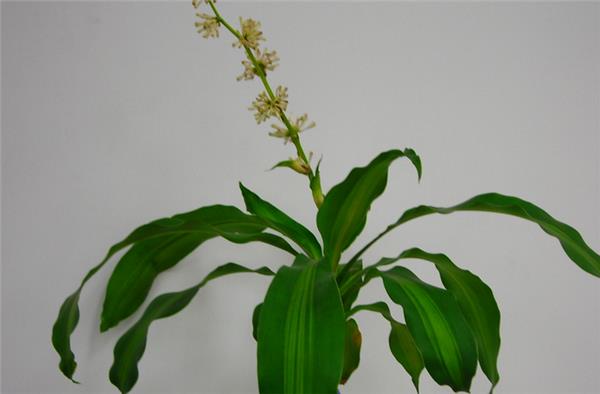
The flowers of Brazil wood themselves are not poisonous, but their scent is too strong, so when blooming it is best to move them outdoors or to a larger space. The leaf base, stems, and branches of Brazil wood can be used to extract traditional Chinese medicine, which has a hemostatic effect. The Chinese medicine name is dragon's blood (xuejie), so it is not poisonous. Brazil wood is a precious wood, and in Africa it symbolizes good blessings. The fragrance of Brazil wood comes from the oil cells in the flowers, which can secrete fragrant aromatic oils. When these aromatic oils diffuse in the air, with the help of our sense of smell, we can enjoy the comfortable wisps of fragrance. In addition, it contains a substance called "glycoside," and during the decomposition process, glycosides can also release the faint fragrance that people like. However, no information shows any claim that the fragrance of Brazil wood is poisonous. Only some people with weak constitutions, or those who have allergic reactions to pollen or floral scents, need to be careful, and it is best to move the flowers out of the living room.
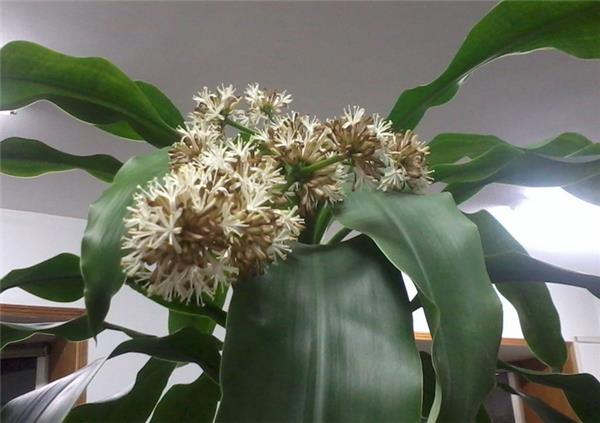
Therefore, Brazil wood can be kept at home and has a certain air-purifying effect, but if the plant is too large, it is best not to place it in the bedroom, because at night plants absorb oxygen and release carbon dioxide just like people.