What exactly are the effects and functions of Scutellaria baicalensis?
Scutellaria baicalensis is dug up in spring and autumn, the fibrous roots and mud are removed, and after drying in the sun the coarse bark is knocked off and it is dried again. So what are the effects and functions of Scutellaria baicalensis respectively? Today, the editor will take everyone to learn about the effects and functions of Scutellaria baicalensis.
The morphology of Scutellaria baicalensis
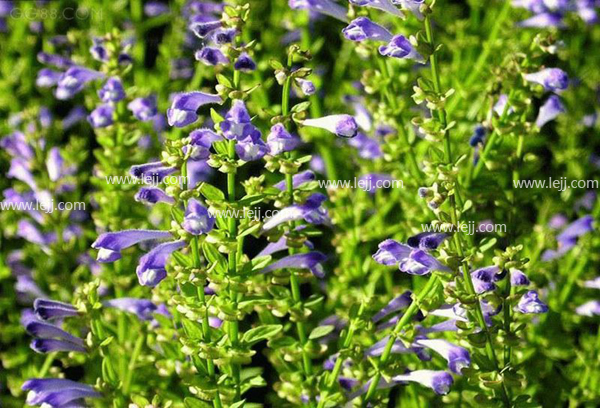
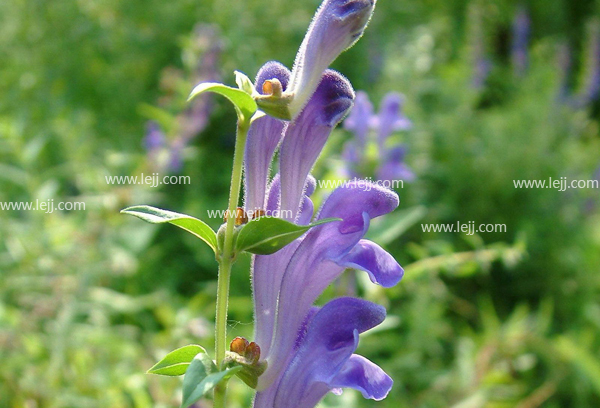
Perennial herb; rhizome thick and fleshy, up to 2 cm in diameter, elongated and branched. The base of the stem lies on the ground, then rises, 30-120 cm tall, 2.5-3 mm in diameter at the base, bluntly four-angled, with fine stripes, nearly hairless or covered with upward-curving to spreading fine soft hairs, green or tinged with purple, much branched from the base.
Effect and function of Scutellaria baicalensis, part one
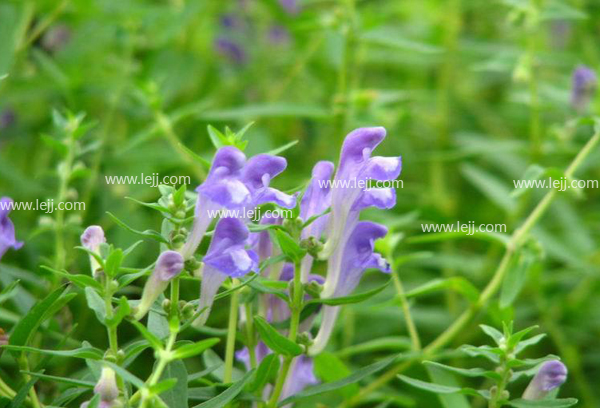
Scutellaria baicalensis is also known as mountain tea root and earth-gold tea root. It is the plant Scutellaria baicalensis of the Lamiaceae family, and its root is used as medicine. It has the effects of clearing heat and drying dampness, cooling the blood and calming the fetus, and removing toxins. It mainly treats warm-heat diseases, upper respiratory tract infections, cough due to lung heat, damp-heat jaundice, pneumonia, dysentery, coughing of blood, red eyes, restlessness of the fetus, high blood pressure, and swollen abscesses and boils. In clinical use, Scutellaria baicalensis is even better than Coptis chinensis at fighting bacteria, and it does not produce drug resistance.
Effect and function of Scutellaria baicalensis, part two
Scutellaria baicalensis can be used for damp-warm fever, chest tightness, thirst without desire to drink, as well as damp-heat diarrhea and dysentery, jaundice, and other conditions. For damp-warm fever, it is used together with talc, white cardamom kernel, and Poria cocos; for damp-heat diarrhea and dysentery with abdominal pain, it is used together with white peony root, kudzu root, and licorice; for jaundice caused by accumulated damp-heat, it can be used together with Artemisia capillaris, gardenia, and Lophatherum gracile.
Effect and function of Scutellaria baicalensis, part three
Scutellaria baicalensis can also be used for high fever with severe thirst in heat diseases, or cough due to lung heat, or bleeding caused by excessive heat forcing the blood out, as well as heat-toxin sores and ulcers. To treat high fever in heat diseases, it is often combined with Coptis chinensis and gardenia; to treat cough due to lung heat, it can be used together with Anemarrhena asphodeloides and white mulberry root bark; to treat reckless bleeding due to blood heat, it can be used together with rehmannia root, tree peony bark, and Chinese arborvitae leaf; for heat-toxin sores and ulcers, it can be used together with honeysuckle and Forsythia suspensa.
Conclusion: From the effects and functions of Scutellaria baicalensis compiled above by the editor, we can see that Scutellaria baicalensis can calm the mind, remove toxins, and nourish the blood, and is of great help for warm diseases, while the pharmacological effects of Scutellaria baicalensis are shown in its supportive effect on some internal functions such as the liver, and it can improve immunity. Finally, the editor warmly reminds everyone that Chinese herbal medicines are not free of toxic side effects, so please take them according to a doctor's advice.
Recommended reading:
| The flower language of red roses | Plants that remove formaldehyde | The effects of pothos flowers | The effects and functions of Hangzhou white chrysanthemum | When do lotus flowers bloom |
| The effects and functions of jasmine tea | Pictures of Radermachera sinica | The effects of lavender | The flower language of small daisies | The effects of Kunlun snow chrysanthemum |
| How to grow Guzmania | How to grow Clivia | How to grow ivy | Planting ginkgo trees | Orchid varieties |
| Are carnations easy to grow | How to grow bougainvillea | The effects and functions of yellow chrysanthemum | The flower language of Gesang flowers | Is calla lily poisonous |
| What plants absorb formaldehyde | Pictures of potted flowers | The effects of jasmine tea | The effects and functions of Aucklandia lappa | Hydroponic lucky bamboo |