What are the cultivation techniques for star anise? This article gives you a detailed introduction
People who love plants not only know how to appreciate them, but also enjoy the pleasure of growing them. As for the star anise we like, will it bring you the pleasure of growing plants? In fact, mastering star anise cultivation techniques not only saves you money on buying star anise, but also lets you enjoy pure, natural, pollution-free star anise - killing two birds with one stone. Isn't that great! Now please follow along with the editor as we take a look at star anise cultivation techniques! Master certain growing skills to ensure the quality of your star anise.
Introduction to star anise cultivation techniques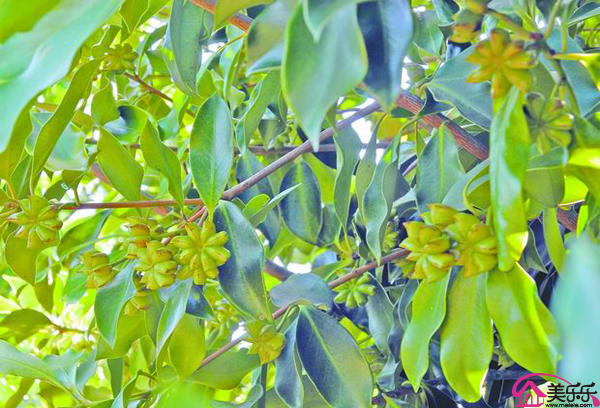
When it comes to star anise cultivation techniques, most involve propagation by seed, so below the editor will explain star anise cultivation techniques in detail for everyone!
Seed propagation
1. When we choose seed propagation, it is best to select plants with more than twenty years of growth history, and make sure the plants have a high oil content and no pest or disease damage, so as to improve seed quality and thus achieve a better growth rate. In fact, the time to harvest seeds is generally around September to October, and star anise seeds from this period can be sown right after harvesting, which is very convenient.
2. When sowing, open furrows at a row spacing of 15 to 20 cm, with a furrow depth of roughly 4 cm, and a plant spacing of 3 to 4 cm is fine. Then cover with fine mixed plant ash, with a thickness of about 3 cm being best, and finally cover with a layer of rice straw to maintain the temperature for seed development.
3. When the seeds grow into seedlings, water frequently and regularly loosen the soil and remove weeds to prevent other plants from absorbing the nutrients meant for the star anise. Also, after the seedlings emerge, remove the covering rice straw and insert tree branches or build a shade shed to prevent the sun from scorching the seedlings. By November, the shade coverings can be removed. The time for transplanting seedlings is before the new buds sprout in February.
Climate and soil for star anise cultivation techniques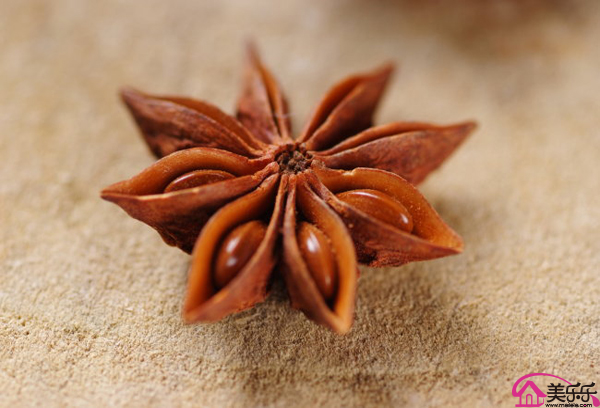
Star anise is a shade-loving plant, so it has certain requirements for sunlight and soil. Star anise seedlings cannot be exposed to strong direct sunlight, so at this time we should prepare shade coverings to protect the star anise seedlings. But adult star anise trees cannot be shaded from sunlight in all directions; moderate conditions are still best. Therefore, star anise is best planted on hillside valleys with short sunlight exposure, damp shade and shelter from wind, and at the same time the soil layer should be fertile and deep, and the soil should be loose acidic loam! Only such soil and such an environment can grow good star anise! And have you remembered this star anise cultivation technique?
Land preparation for star anise cultivation techniques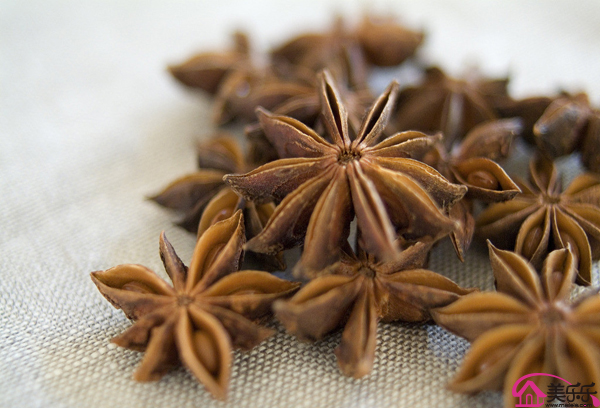
To grow good star anise, overall preparation is an essential step. For example, during the seedling stage, it is best to choose hillside valleys close to a water source, then deep-plow and break up the soil to make seedling beds. Also, within the three years of planting out, choose natural shade and similar locations, and intercropping with crops is also possible. After three years, the demand for sunlight becomes stronger, and full sunlight is acceptable. Each year, weed and loosen the soil twice to ensure a good growing environment for the star anise. Having said all this, have you remembered the star anise cultivation techniques?
Summary: The above is the editor's brief introduction to star anise cultivation techniques, and I hope it is helpful to you. The information may not be comprehensive or detailed enough; you can also search online for other related information, or consult professional growers, to skillfully master star anise cultivation techniques.
[Related links]:
⊙ How to grow cactus ⊙ How to water a ball cactus ⊙ When does wintersweet bloom ⊙ What to do when money tree leaves turn yellow
⊙ How to prune asparagus fern ⊙ How to plant dahlia ⊙ How to grow clivia ⊙ The benefits and effects of jasmine tea
⊙ How to grow carnations ⊙ The benefits of Kunlun snow chrysanthemum ⊙ The symbolic meaning of lilies ⊙ The benefits and effects of ginkgo leaves