Introduction to the Key Points of Kale Cultivation Techniques
Do you know about kale? Let me introduce it to you! Kale is a garden variety of edible cabbage, which is why it looks so much like cauliflower! Its garden varieties come in diverse forms,
not at all like the cabbage you use at home! Like people, some are tall and some are short; and there are so many colors! Want to know more about kale cultivation techniques? Read on carefully!
Temperature control is very important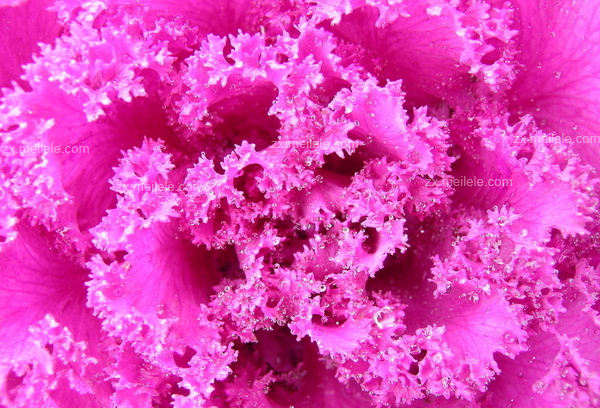
Do you know what other name kale has? You don't, right? Let me tell you! Because kale is very beautiful, it also has another name: leaf peony. Not only is it beautiful on the outside, but it is also very strong on the inside! Its best ornamental period falls in winter, when there are few flowers and little greenery outdoors, which is why it is loved by many home flower-growing enthusiasts. So what temperature is needed to grow kale? Let me tell you! Kale likes a cool and mild climate, is cold-tolerant, tolerates higher temperatures at the seedling stage, and is cold-tolerant and freeze-tolerant in winter. Now you understand, right? Don't you think growing kale is simple?
Turning kale into bonsai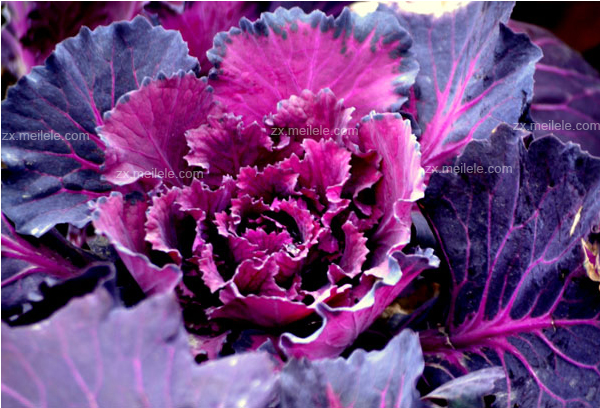
Friends, are you surprised? It turns out kale can also be grown as bonsai. Are you shocked? Turning kale into bonsai is actually very simple! If you are a bonsai enthusiast, you can use this kind of old-stump stem to make kale bonsai. Although the kale bonsai produced cannot compare with tree-stump bonsai in elegance and longevity, it still has its own unique charm! It looks like a different kind of scenery!
How kale cuttings take root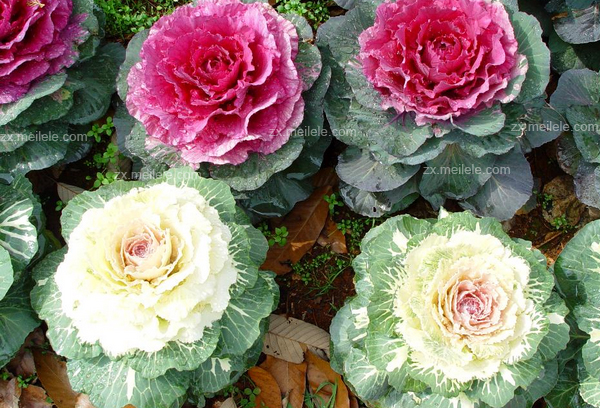
Do you want to grow more and more kale? Then take a look below! After kale blooms in spring, do not pull it out and throw it away. Fallen blossoms are not heartless things! Instead, keep watering and fertilizing it. After the flowers fade, the old stem will sprout a large number of tiller buds again. Continue normal watering and management until autumn. Kale cuttings actually take root easily: they begin to root in one week and can be transplanted into pots in two weeks. Have you learned it? Let the kale you grow increase more and more! Giving some to friends is also very nice!
Cultivating with love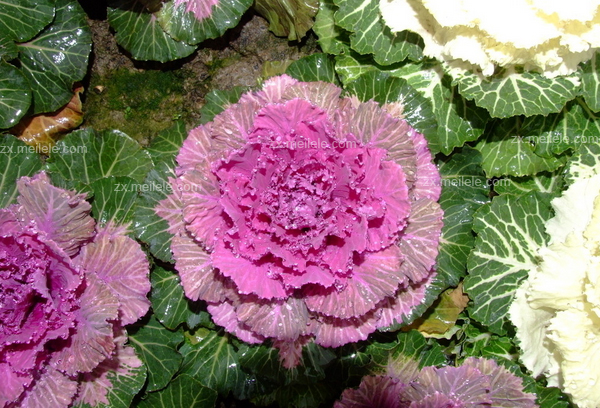
Actually, no matter what variety of flower you grow, as long as you cultivate it with love and care, there will always be results. And kale is inherently a flower with a very high survival rate, so you need to worry even less. Control the temperature well every day, and do not water too much; just keep it moist! Let me tell you one more little secret: when kale is placed in a vase, it easily takes root in an indoor environment. If it is placed in a brightly lit room, it can stay there for two or three months! Don't tell anyone! Our secret!
The significance of growing kale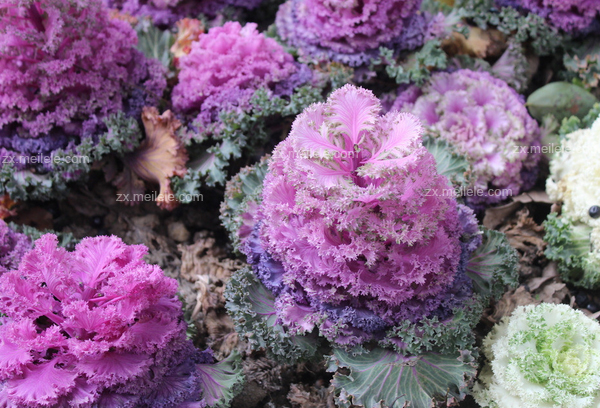
After introducing so many kale cultivation techniques above, do you know the significance and uses of growing kale? As a kale grower, this is something you must know! Besides being very beautiful when grown and able to be appreciated as bonsai, kale can also be eaten! Its nutritional value is very high! Foreigners like to use kale to make salads!
Conclusion: If you are a beginner at growing flowers, grow kale; if you are an experienced flower grower, how can you not grow kale? Get started right away, and use your love to grow kale that belongs exclusively to you!
More information
| What does a white rose symbolize | What plants protect against computer radiation | Geranium | How to grow rhododendrons and precautions | Golden Spider Plant |
| Lavender flowering period | Indoor foliage plants | Boston ivy | How to fold a lily | The effects and uses of mint | How to grow the sensitive plant |
| How to grow succulents | Osmanthus | The effects and uses of Gynostemma pentaphyllum | Handmade roses | The effects and uses of honeysuckle | Kumquat |