What to do when mint leaves turn yellow? Teach you how to care for mint properly
What should you do when mint leaves turn yellow? How do you grow mint? What are the methods and precautions for growing mint? Today let's take a detailed look at mint! First of all, mint is also known as woolly mint or fragrant mint, and is one variety among the mint species. Mint mainly grows in western Europe and the western Mediterranean, is a perennial herbaceous plant, and is mainly used for cooking and landscaping.
What to do when mint leaves turn yellow
The main reason mint leaves turn yellow should be problems with watering, lighting and ventilation.
Methods to prevent mint leaves from turning yellow:
1. Watering: When watering curly mint, pay attention: do not water if the soil surface is not dry; if it is dry, water thoroughly. The water used can be plain water, and preferably rice-washing water from home, which is both nutritious and saves water.
2. Lighting and ventilation: If indoor lighting is good, you can place curly mint in a spot with sunlight and just maintain normal indoor ventilation. If the lighting is poor, after placing it indoors for 72 hours, move it to a sunny place for 1-2 days, let it absorb sunlight and get some air, then move it back to continue using it. In summer, avoid exposure to the scorching sun.
3. Pruning: During the period of vigorous plant growth, it is best to prune once a week, cutting off thin, weak, dry and old branches. After pruning, spray "Xin Gao Zhi Mo" and place it in a sunny spot. This helps the cut tissue heal and encourages new branches to keep sprouting.
Precautions for mint
Mint plants are usually 40 to 100 cm tall, reproduce through underground rhizomes, bloom in the middle and late summer, and their flowers are generally light purple or pink.
The uses of mint
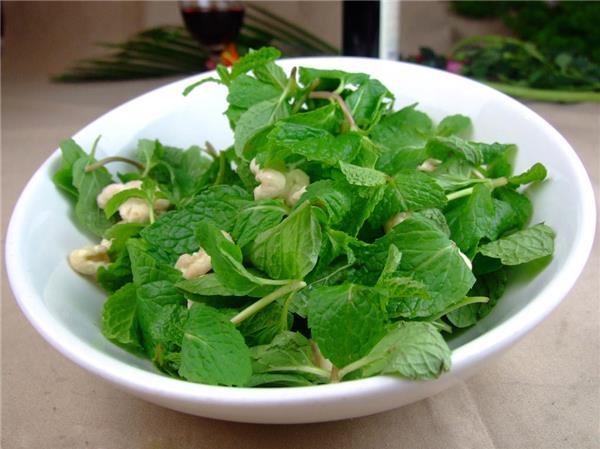
Mint is a very popular herbaceous plant and is usually grown as an ornamental. Full sunlight to slightly shady environments can both promote its growth. Its leaves can be used to make mint jelly or steamed powder. It can also be used as mint tea, a decoration, or added to salads.
Key points for planting and care
Temperature: It prefers a warm climate. The rhizomes sprout and emerge at 5-6°, and the most suitable temperature for growth is 20-30°C. It is cold-tolerant. Although the plant begins to wither and enter dormancy when the temperature drops to around 2°C, the underground stems can safely overwinter at -20 to -30°, and in the second year new branches can still sprout again from the rhizomes and grow.
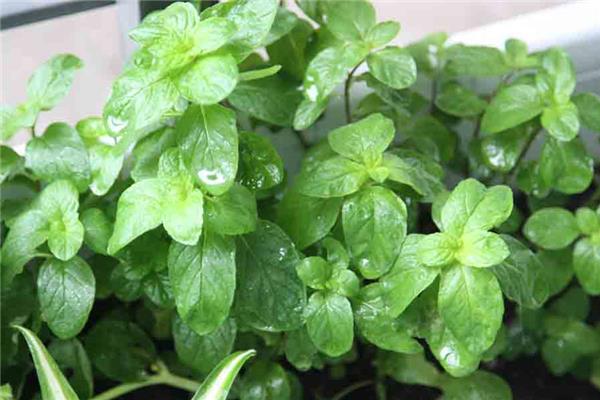
Light: It likes ample sunlight and is relatively shade-tolerant. Sufficient light helps the formation of aroma. If placed indoors, it should be moved to a sunny place for 1-2 days after 3 days of display, and then placed back indoors.
Watering: It likes a moist soil environment and is relatively moisture-tolerant. During the growth period, it should be watered sufficiently to keep the potting soil moist. But it dislikes waterlogging. Too-wet potting soil will cause the plant to grow leggy, the leaves to become thinner, the root system to develop poorly, and lower leaves to fall off, and it also makes the plant prone to disease infection. After rain, promptly pour out any accumulated water in the pot. For regular watering, follow the principle of "do not water if not dry; when watering, water thoroughly." In winter, the plant enters dormancy and watering should be reduced.
Fertilizing: It likes fertilizer. In addition to applying organic fertilizer as a base fertilizer when potting, apply fertilizer once a month during the growth period, mainly nitrogen fertilizer, with an appropriate application of phosphate and potassium fertilizer. If branches and leaves need to be harvested during the growth period, topdressing should be done at the time of harvest to help the plant recover a good plant shape.
Pruning: Once every spring, carry out a pruning together with repotting to encourage the growth of branches and leaves. If the plant's growth vigor is not strong, renewal pruning is needed to restore strong growth. During the growing season, if the stems are too tall and affect the ornamental value, you can pinch off the growing tips, or spray the leaf surfaces with a paclobutrazol solution to control height.
Repotting: Because it grows quickly, repot once every spring. It is not strict about soil, but likes fertile, well-drained neutral or alkaline soil. It can be planted in soil with a pH in the range of 5.3-8.3, but grows better at 6.5-7.5. Avoid continuous cropping when planting in the ground. For potting substrate, materials such as leaf mold, garden soil, rice husk ash, or coarse sand can be used.
Pest and disease control: There are diseases and pests such as rust, white star disease, leaf spot disease, cutworms, and silver-marked noctuid moths. If the branches and leaves are to be eaten or brewed, avoid using toxic pesticides.
The effects and functions of mint
Pungent in flavor, cool in nature. It enters the lung and liver meridians, and has effects such as dispersing wind-heat, clearing and soothing the throat, promoting eruption and detoxifying, soothing the liver and relieving depression, and relieving itching. It is suitable for symptoms such as cold with fever, headache, sore and swollen throat, absence of sweating, wind-fire red eyes, rubella, itchy skin, hernia pain, diarrhea, and scrofula. External use has a mild pain-relieving effect and is used for neuralgia and so on.
1. Stimulating and inhibiting nerves
Mint has the effect of stimulating the central nervous system. While it produces a burning and cooling sensation on the skin, it also has an inhibiting and numbing effect on sensory nerve endings; therefore, it can be used as a counterirritant and skin stimulant. It not only has anti-allergic and anti-itch effects on skin itching, but also has a clear relieving and analgesic effect on neuralgia and rheumatic joint pain.
2. Anti-inflammatory and antibacterial
Mint has desensitizing, anti-inflammatory and antibacterial effects on insect-bitten skin; it also has clear cough-relieving, anti-inflammatory and antibacterial effects on upper respiratory tract infections; and it has swelling-reducing, pain-relieving, anti-inflammatory and antibacterial effects on hemorrhoids and anal fissures.
3. Stomach-strengthening and wind-dispelling
Oral preparations containing mint products have an excitatory effect on the nerves of taste and smell. It has a burning and stimulating effect on the oral mucosa, can promote salivation, increase appetite, increase blood supply to the gastric mucosa, and improve digestive function. It is beneficial for treating indigestion and relieving the feeling of gastric distension and stagnation. It can also treat hiccups and spasmodic stomach pain. In addition, mint also has a good wind-dispelling effect in the intestinal tract, can reduce intestinal gas, relax intestinal muscle peristalsis, and has the effect of alleviating intestinal colic.
4. Aromatic flavoring
It mainly uses the unique cooling, throat-soothing and pleasantly aromatic scent of mint to mask and improve the discomfort of some medicines that have an unpleasant odor and are difficult to swallow.
External use has a mild pain-relieving effect and is used for neuralgia and so on.1. Stimulating and inhibiting nerves
Mint has the effect of stimulating the central nervous system. While it produces a burning and cooling sensation on the skin, it also has an inhibiting and numbing effect on sensory nerve endings; therefore, it can be used as a counterirritant and skin stimulant. It not only has anti-allergic and anti-itch effects on skin itching, but also has a clear relieving and analgesic effect on neuralgia and rheumatic joint pain.
2. Anti-inflammatory and antibacterial
Mint has desensitizing, anti-inflammatory and antibacterial effects on insect-bitten skin; it also has clear cough-relieving, anti-inflammatory and antibacterial effects on upper respiratory tract infections; and it has swelling-reducing, pain-relieving, anti-inflammatory and antibacterial effects on hemorrhoids and anal fissures.
3. Stomach-strengthening and wind-dispelling
Oral preparations containing mint products have an excitatory effect on the nerves of taste and smell. It has a burning and stimulating effect on the oral mucosa, can promote salivation, increase appetite, increase blood supply to the gastric mucosa, and improve digestive function. It is beneficial for treating indigestion and relieving the feeling of gastric distension and stagnation. It can also treat hiccups and spasmodic stomach pain. In addition, mint also has a good wind-dispelling effect in the intestinal tract, can reduce intestinal gas, relax intestinal muscle peristalsis, and has the effect of alleviating intestinal colic.
4. Aromatic flavoring
It mainly uses the unique cooling, throat-soothing and pleasantly aromatic scent of mint to mask and improve the discomfort of some medicines that have an unpleasant odor and are difficult to swallow.