How to Grow a Peace Lily? A Detailed Guide to Its Care
What comes to mind when you see "smooth sailing"? Do you think of it as an idiom? Actually, it is also the name of a flower. How to grow a peace lily may still be unclear to many people, so here is an introduction to the cultivation methods for peace lilies.
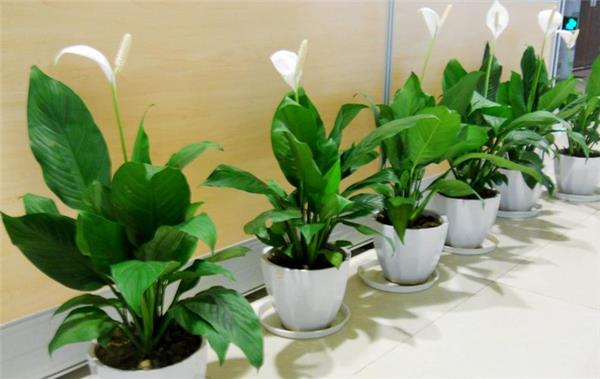
I. Care of the Peace Lily
1. Soil for Growing a Peace Lily
When planting a peace lily, the soil must be loose, with good drainage and aeration, which benefits root respiration. Heavy clay soil must not be used, nor should sandy soil. As we know, soil is the most critical factor for plants; the nutrients for a plant's early growth are all absorbed from the soil, so choosing the soil is very important. Generally, the soil we choose is leaf mold, peat soil, and the like. When planting, some farmyard manure can be added as a base fertilizer to ensure sufficient organic matter.
2. Light for Growing a Peace Lily
Before planting, we need to understand the peace lily. It is a shade-tolerant plant, more suited to surviving in a semi-shaded environment. It must not be exposed to direct sunlight, as this will damage the mechanism of its leaves. Normally, only scattered light is needed to satisfy its growth. Therefore, the peace lily can be grown indoors in a spot with bright, scattered light. Special attention must be paid to this in summer. If the light is too strong, it will scorch the leaves and cause them to lose their luster. If the light is too dim, the plant will not be sturdy enough and will have difficulty flowering. The light intensity must be well controlled; this is a key factor in whether a peace lily is grown well or poorly.
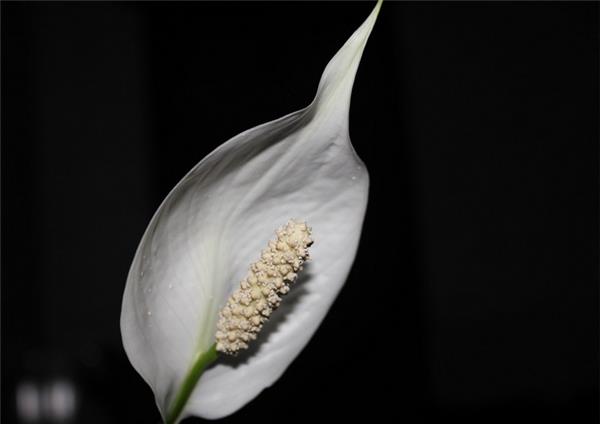
II. Precautions for Growing a Peace Lily
Temperature Control
The peace lily is a heat-loving species and should be cultivated in a high-temperature greenhouse. The most suitable daytime and nighttime temperatures for the peace lily are 20°C to 21°C, and the maximum should not exceed 24°C. If the daytime temperature is higher, as compensation, the nighttime temperature can be appropriately lowered. For example, if the daytime temperature is 27°C for 6 hours, then the nighttime temperature should be kept at 9°C for 6 hours. Other situations can be handled by analogy. Pay special attention: if the peace lily is kept in a low-temperature state for a long time, it is prone to leaf drop or a scorched-yellow appearance.
Water Management The peace lily prefers a moist environment. The substrate must always be kept moist; do not wait until the substrate is completely dry before watering. The "water when dry, stop when wet" water management approach is not suitable for the peace lily, and it also increases the chance of root infection, which is detrimental to growth. The best watering method is overhead sprinkling, but the seedbed must have good drainage. The EC value of the sprinkling water should not exceed 0.8 mS/cm at most, otherwise it is unfavorable for crop growth.
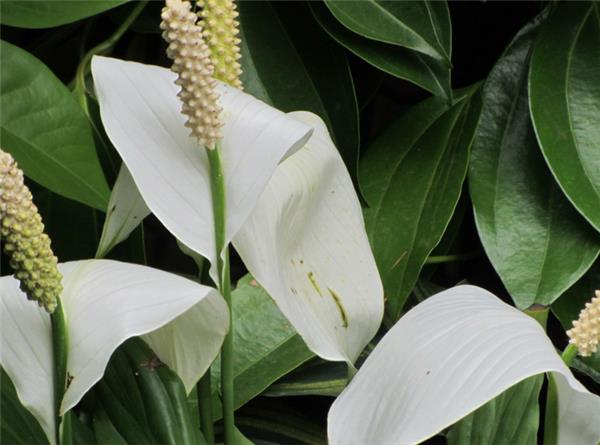
III. Benefits of the Peace Lily
1. Ornamental Value
The peace lily has upright, elegant flower stems and is fresh and pleasing to the eye. Potted plants placed in the living room or study are very comfortable and unique; placed in hotel lobbies, at the front of venues, at station entrances and exits, or in shopping mall display windows, they appear elegant and handsome.
2. Air Purification
It can also filter ammonia, acetone, benzene, trichloroethylene, and formaldehyde from the air. Its high transpiration rate can prevent nasal mucous membranes from drying out and greatly reduce the likelihood of illness.
3. Feng Shui Significance
The peace lily began to be used as a potted ornamental plant in the early 20th century, and by the 1980s it was already very popular in Europe. The peace lily is regarded as the "flower of purity," carrying the meaning of purity, calm, peace, and well-being.
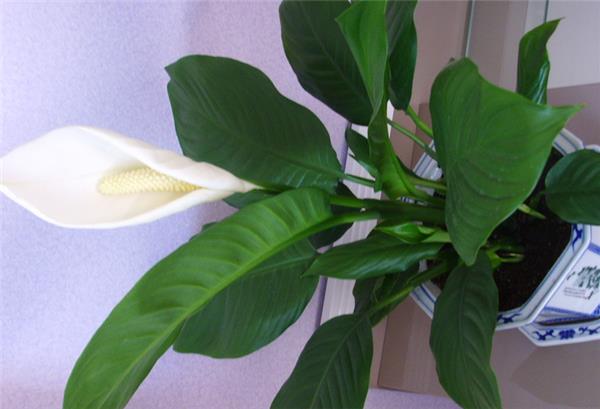
The above mainly introduced the living habits and planting methods of the peace lily. Friends who love peace lilies can try planting one. In fact, there are still many points to note during the planting process, and you can look up some references. In this way, you can grow the plant more healthily!