What are the main benefits and effects of hyacinth bean
First, let us get to know the hyacinth bean. Its common name is biandou, with aliases such as huolian biandou, pengpi dou, teng dou, yanli dou, que dou, and cha dou. The hyacinth bean is sweet and neutral in nature, and non-toxic. It is an annual herbaceous plant with climbing stems, lanceolate leaflets, white or purple flowers, and oblong, flat, slightly curved pods. The seeds are white or purple-black. The hyacinth bean is quite rich in nutrients, including protein, fat, carbohydrates, calcium, phosphorus, iron, dietary fiber, provitamin A, vitamin B1, vitamin B2, vitamin C, cyanogenic glycosides, tyrosinase, and more. The seed coat of the hyacinth bean is especially rich in B vitamins. In addition, it also contains phospholipids, sucrose, and glucose, so the hyacinth bean has many benefits and effects.
The rich medicinal value of hyacinth bean's benefits and effects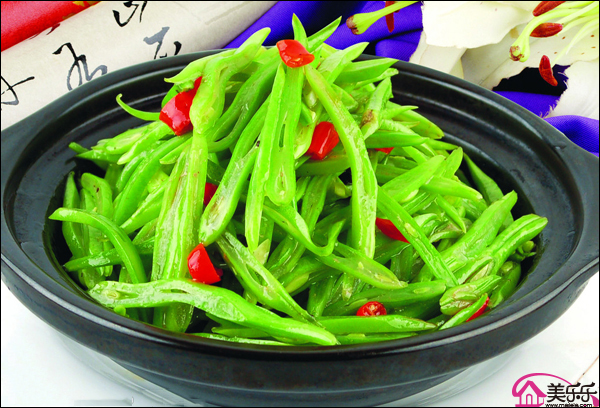
The hyacinth bean has rich medicinal value and can effectively treat summerheat-dampness vomiting and diarrhea, vomiting due to spleen deficiency, poor appetite with chronic diarrhea, fluid retention and wasting-thirst, red and white vaginal discharge, and infantile malnutrition. The hyacinth bean has the effect of resolving dampness and relieving summerheat: it is used for summerheat-dampness damaging the middle, and for symptoms such as vomiting, diarrhea, and muscle cramps. The hyacinth bean also treats edema, arsenic poisoning, bacillary dysentery, and other conditions. The hyacinth bean is rich in vitamin C and iron, and regular consumption is beneficial for patients with iron-deficiency anemia.
The tumor-reducing benefits and effects of hyacinth bean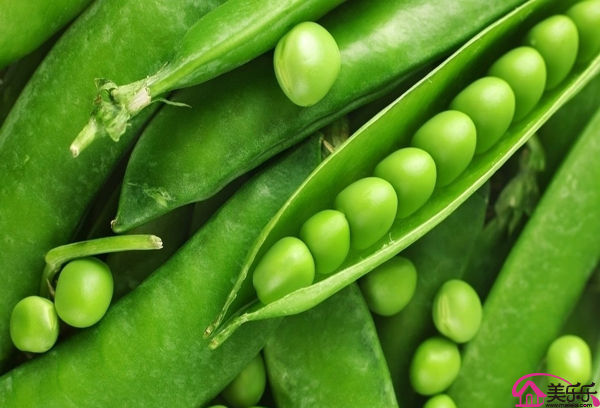
The hyacinth bean contains hemagglutinin, a protein substance that can increase the synthesis of deoxyribonucleic acid and ribonucleic acid and inhibit immune reactions and the movement of white blood cells and lymphocytes. Therefore, it can activate lymphocytes in tumor patients to produce lymphotoxin, which has a non-specific damaging effect on body cells, so it has a significant tumor-reducing effect. It is an excellent choice for tumor patients, and tumor patients should often eat hyacinth beans, which has a certain auxiliary dietary therapeutic effect.
The spleen-strengthening and dampness-resolving benefits and effects of hyacinth bean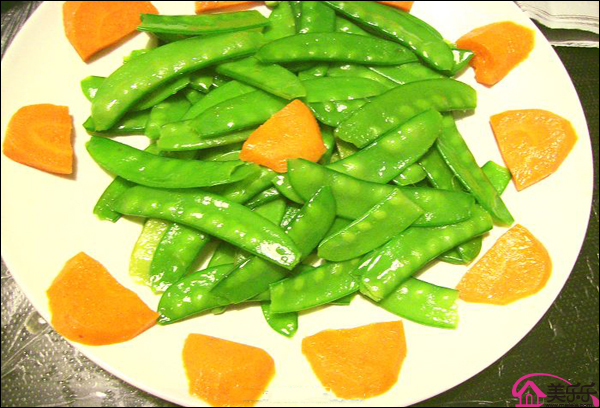
As a food with very rich nutritional content, in addition to containing various vitamins and carbohydrates needed by the human body, the hyacinth bean is rich in protein and multiple amino acids. Regular consumption can strengthen the spleen and stomach, increase appetite, and relieve summerheat and refresh the mouth. With the effect of strengthening the spleen and resolving dampness, it mainly treats spleen deficiency with dampness, poor appetite and loose stools; and damp turbidity pouring downward, with excessive vaginal discharge in women.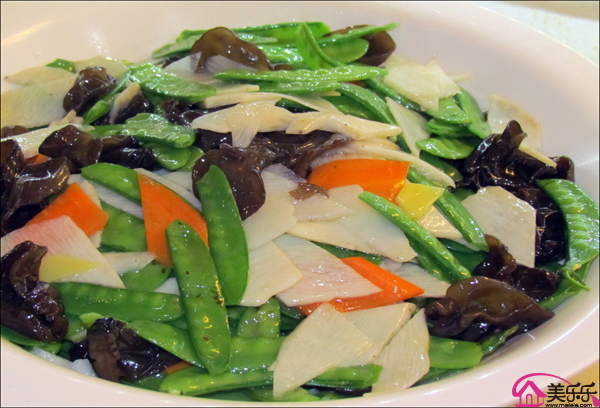
Summary: I believe everyone now has a corresponding understanding of the benefits and effects of hyacinth bean. Although the benefits and effects of hyacinth bean are very powerful, and it is nutritious and delicious, the editor would like to remind everyone here: undercooked hyacinth beans can easily cause poisoning, and eating too many hyacinth beans is even more likely to cause bloating. Eat them in moderation to avoid bloating caused by eating too many hyacinth beans!
[Related Information]
| Benefits and effects of raspberry | What to do when lucky bamboo turns yellow | Asparagus fern leaves turning yellow | How to make osmanthus tea | When does the night-blooming cereus bloom |
| Indoor plants that purify the air | Benefits and effects of dried tangerine peel | The flower language of gardenia | Is cyclamen toxic | The symbolic meaning of lotus |
| Benefits and effects of lobelia | When does the peony bloom | How to grow clivia | Indoor foliage plants | Rose flower language by number of blooms |