How to grow irises? A detailed guide to planting techniques and care methods
Through continuous experimentation, gardeners around the world have bred many excellent new varieties with brilliant colors, with flower colors ranging from light purple, deep purple, pure white, white-yellow and various other shades of varying depth. The iris flowering period is in May, and the plant height is 80 to 90 cm, making it an excellent ornamental plant. Now let us take a look at the cultivation methods for irises.
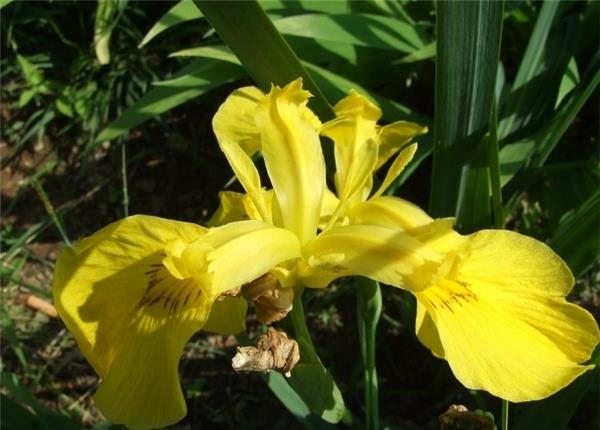
I. Iris planting techniques
Rhizome division method. In mid-to-late September each year, dig out the underground rhizomes of the iris, cut off the aboveground leaves at a distance of 8 to 10 cm from the rhizome, divide and cut the rhizomes into stem segments with buds, plant them separately, strengthen their management, and they can bloom as usual the following year.
Seed propagation: After the iris seeds mature, they can be sown indoors or outdoors in the fall of that same year. Before sowing, treat the seeds with warm water for one day, then after 4 to 5°C low temperature for 10 days, germination can be accelerated, after which the seedlings are managed, and they can begin to bloom in the third year.
Soil requirements: For iris cultivation, humus-rich clay loam should be selected, or soil mixed with calcareous alkaline soil is best. Irises grown in acidic soil will grow poorly, so before planting, decomposed compost can be used, with a small amount of bone meal, plant ash, etc. added as base fertilizer; during the growing period, especially before flowering, 1 to 2 applications of chemical fertilizer can be applied to accelerate growth.
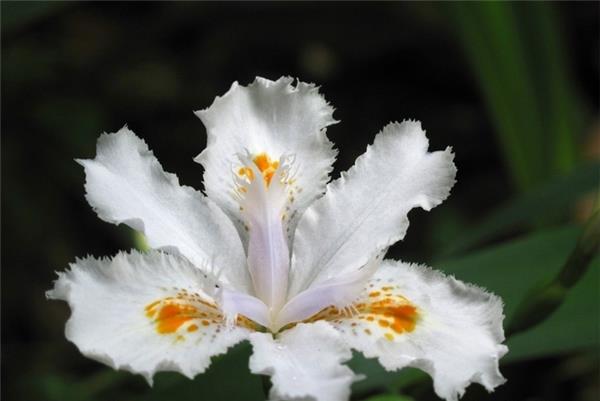
II. Pest and disease control for irises
Bulb rot: This disease severely harms the bulbs. When it occurs, the aboveground symptoms are not obvious, and they may appear in the later stages of the disease. The main symptoms are that the bulbs do not develop roots or have very few roots, and lightly affected plants are short and not upright. This disease is not highly contagious and will not contaminate the soil for a long time. For the control of bulb rot, first pay attention to keeping the bulbs dry and maintaining air circulation during storage; second, before storing the bulbs, spray 75% chlorothalonil wettable powder 1000x solution for sterilization treatment.
Basal rot: Basal rot first occurs at the base of the bulb, then infects upward to the scales. The boundary between the diseased part and healthy tissue is obvious. The affected tissue becomes soft, grayish-brown, shrinks inward, and is sometimes covered with white fibrous material. After diseased bulbs are planted, they cannot bloom.
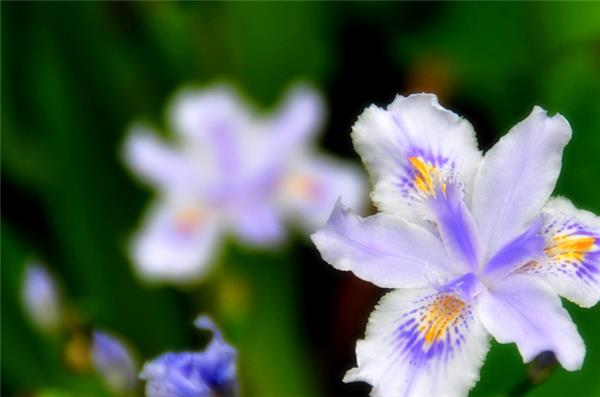
III. Soil conditions required by irises
Irises can not only be planted in glass greenhouses or plastic film greenhouses, but can also be planted in the open field. Outdoor planting combined with temporary coverings, or the use of movable houses, is feasible especially in spring and autumn.
For the production of cut irises, it can actually be done in any type of soil, as long as it drains well, has strong moisture retention, and is not compacted (otherwise it will restrict plant growth). Good soil structure is a basic condition, because this is very necessary for the frequent large-scale cultivation of irises with short growing periods.
In heavy loam, it is recommended to add materials such as peat, vermiculite or coarse sand and mix with soil about 25 cm deep to improve the soil.
For soil that is prone to compaction, after planting, a layer of materials such as rice hulls, straw, pine needles, black peat or similar materials can be spread on the soil surface to prevent soil compaction. This method can also be used to prevent the soil from drying out too quickly.
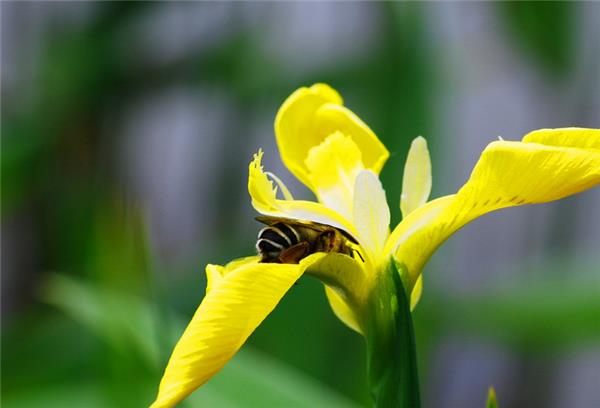
The above are the planting methods for irises and the soil conditions required when planting. It is hoped that people who love and cherish flowers can plant beautiful irises, personally take part in growing their own irises, and add greenery to the home.