What to Do When a Banyan Tree Loses Its Leaves? A Detailed Guide to Banyan Tree Care
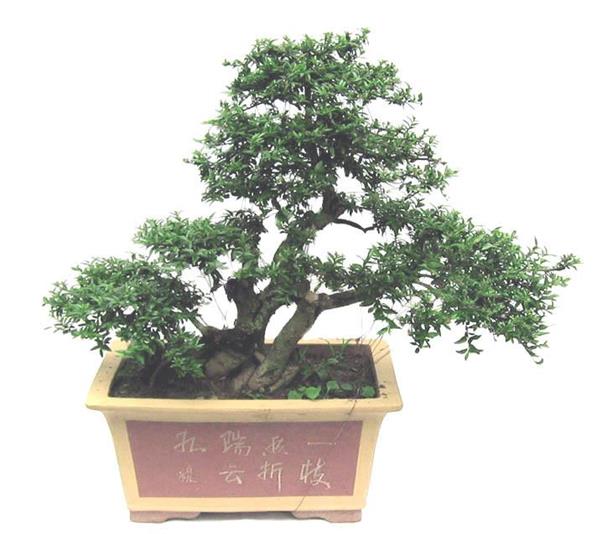
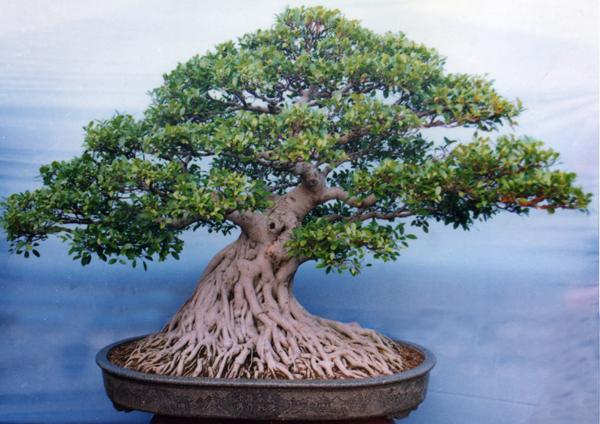
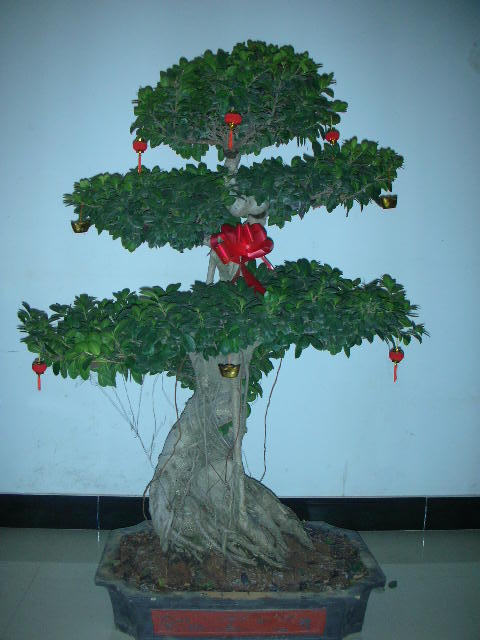
The banyan tree has lush green leaves, stays evergreen through all four seasons, and features gnarled roots and branches full of ancient charm, making it an excellent material for indoor bonsai. Through pruning, branch training, wiring, grafting and various other techniques, a small banyan bonsai can have its growth and development controlled and be cultivated into a uniquely shaped banyan bonsai. So what should you do when a banyan tree loses its leaves? How do you care for a banyan tree?
What to Do When a Banyan Tree Loses Its Leaves
1) Insufficient fertilizer.
Just add more fertilizer.
2) Poor ventilation.
You can place it on a balcony to get some air and let it bask in the sunlight.
3) Improper watering. Caused by too much water and waterlogged soil in the pot.
Because the damaged roots cannot recover right away, of course leaf drop will continue. From now on, just make sure to water thoroughly only after the soil has dried out, and let it recover slowly. Don't be impatient. At this point, do not fertilize the roots.
4) Root rot
If there are yellow leaves and leaf drop, then change the soil and remove the rotted roots.
5) Pest infestation
Please check whether there are small insects (red, white, black) on the undersides of the leaves. Your banyan bonsai very likely has red spider mites (so small they are almost invisible, you have to look closely), or the leaves are severely curled. If the above situations apply, it is recommended to buy insecticide at a place that sells flowers (available in bags or bottles). If someone in the home smokes, keep the cigarette butts, put a dozen or so cigarette butts in a container you don't use and soak them (with a bit more water). After one day, use the soaking water (tobacco water) to give each leaf a bath (once a day). After a while it will get better.
6) Normal phenomenon (with conditions)
When it has just been moved into your home, it will keep dropping leaves for 2 months, but there is no need to worry. New leaves will also grow during this same period (very, very quickly). Don't think about moving it around; just fix it in one place. And don't worry about whether you are watering too much or too little (when the soil is very dry, just water a bit more at once). After 2 months, all the old leaves will have been replaced with new leaves, which is to say these leaves have grown in the environment of your home, and it will no longer drop leaves. It will keep growing lush and green forever.
Growing environment for small banyan bonsai:
The banyan is a tree species from the south, and this kind of bonsai is generally placed in a spot with ventilation and light, with a certain amount of spatial humidity, and temperature control.
If placed indoors for viewing, the time should not be too long; generally after about 20 days it should be moved outdoors for recuperation. Summer and autumn are the growing seasons; apply decomposed cake fertilizer once a month, and keep the potting soil moist. It should not be too wet; you can frequently spray water on the leaves and the surrounding area to raise the environmental humidity. In summer it should not be exposed to strong sun. In winter, when the temperature is around 5°C, move it indoors to a sunny, warm place to keep it warm, to prevent it from freezing. Use loose leaf mold soil with good water permeability; the usual ratio is garden soil/leaf mold soil/sand: 2:2:1. In winter the potting soil should preferably be on the dry side.
Note: If the sunlight is insufficient, the ventilation is poor, and there is no certain spatial humidity, the plant can turn yellow and dry out, leading to pest and disease problems, and eventually death.
Key points for planting and care
Temperature: It likes a warm environment, and the suitable temperature for growth is 20-30°C. It is not very cold-tolerant; when the temperature drops below 3°C, it will produce a large amount of leaf drop; below 0°C the plant will suffer cold damage and die. The overwintering temperature should not be lower than 5°C, and in winter it should be placed indoors to protect it from the cold.
Light: It likes sun and also tolerates semi-shade, but it is best to give it sufficient sunlight. When light is insufficient, not only is the tree's vigor affected, but the leaves will also become thin and sparse, and even drop off. In particular, the variety Golden Banyan needs an even more sunny environment; the stronger the light, the more vivid the golden-yellow leaf color. When light is insufficient, the leaves will turn green, thereby losing their ornamental value.
Watering: It likes a moist soil environment. Although it can also tolerate drought, when the potting soil is dry it is not good for the plant's growth. During the growing season, water should be supplied generously to keep the potting soil moist. But the potting soil should also not be too wet; when light is insufficient and the potting soil is too wet, it will cause a large amount of leaf drop. After rain during the plum rain season, promptly check and pour out any accumulated water in the pot. During the overwintering period, watering should be controlled, keeping the potting soil in a slightly dry state.
Fertilizing: It likes fertilizer; apply a fertilizer combining nitrogen, phosphorus and potassium once a month. When fertilization is insufficient and there is a lack of fertilizer, the leaf edges will turn yellow and some of the lower leaves will drop off. When fertilizing, nitrogen fertilizer should not be used too much, otherwise it will cause excessive growth of branches and leaves and affect the ornamental value. Applying alum fertilizer water during the growing season can make the leaf surface glossy green without yellowing. Stop fertilizing after October.
Pruning: Carry out pruning once in spring, cutting out overly dense branches and cutting back branches that stick out beyond the crown, in order to maintain good ventilation and light conditions inside the plant and maintain a good tree shape. For shaped tree stumps, at any time during the entire growing season, cut off or cut back branches that affect the flatness of the branch pads. In early summer, if all the leaves of a potted tree stump are removed, and watering is controlled and sufficient light is given, it will promote the sprouting of new leaves that grow thick and small, thereby improving the ornamental value of the banyan tree.
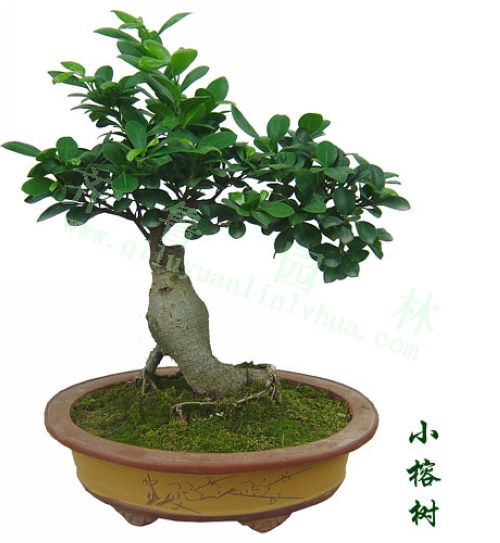
Repotting: Because it grows fast, it should be repotted once every year in spring. The pot for the plant should not be too large, otherwise it easily leads to excessive growth of branches and leaves. It likes acidic soil; if the growing medium is alkaline, the leaves will turn yellow. The substrate can be prepared from materials such as leaf mold soil, peat soil, garden soil, perlite or coarse sand. Pest and disease control: It suffers from pests and diseases such as leaf spot disease, gray mold, sooty mold, and scale insects and banyan thrips.
Repotting: Because it grows fast, it should be repotted once every year in spring. The pot for the plant should not be too large, otherwise it easily leads to excessive growth of branches and leaves. It likes acidic soil; if the growing medium is alkaline, the leaves will turn yellow. The substrate can be prepared from materials such as leaf mold soil, peat soil, garden soil, perlite or coarse sand. Pest and disease control: It suffers from pests and diseases such as leaf spot disease, gray mold, sooty mold, and scale insects and banyan thrips.