What to Do When a Bonsai Ficus Drops Its Leaves? Here's the Correct Way to Handle It
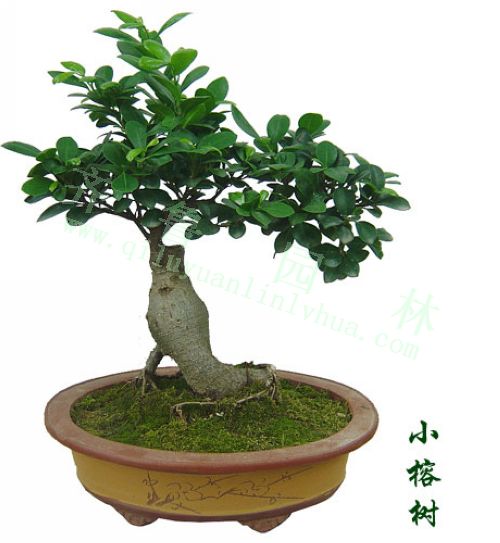
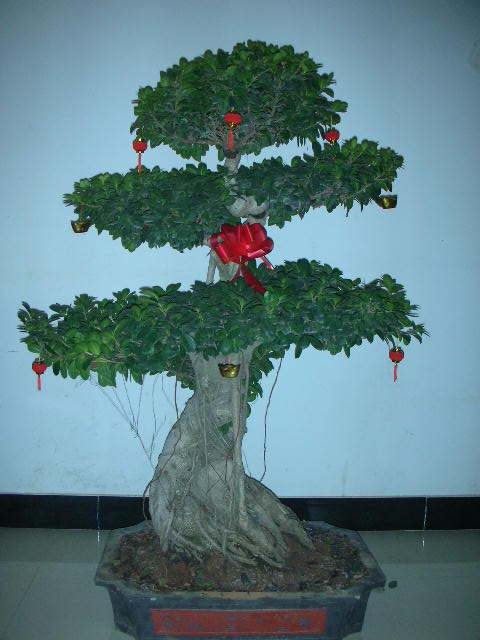
What should you do when a bonsai ficus drops its leaves? The bonsai ficus has a unique shape and extremely high ornamental value. Among household plant bonsai, the bonsai ficus is relatively popular for its evergreen foliage. The leaves of the ficus are leathery, dark green and glossy, evergreen throughout the year; the bark is dark brown, the branches are supple, and it has powerful aerial roots. Some aerial roots hang down into the ground, shaped like pillars; some wind and droop downward, with twisted roots and gnarled branches, quite spectacular. The bonsai ficus is a sculptural landscape that symbolizes vitality, and how to grow a bonsai ficus has become something many cultivation enthusiasts are eager to know.
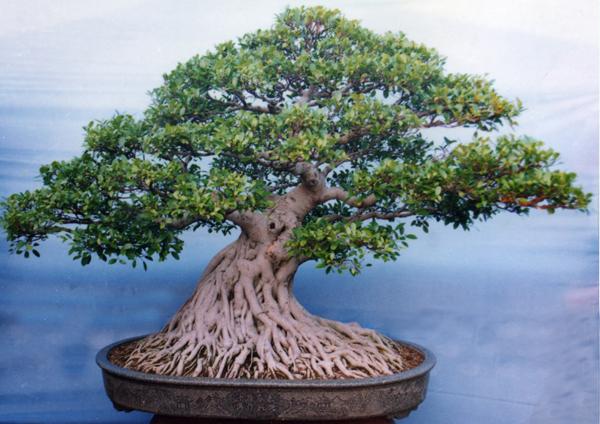
What to Do When a Bonsai Ficus Drops Its Leaves
1) Insufficient fertilizer.
Just add fertilizer.
2) Poor ventilation.
You can put it on the balcony to get some ventilation. Let it bathe in sunlight.
3) Improper watering. Caused by too much water and waterlogged soil in the pot.
Because the damaged roots cannot recover right away, of course it will continue to drop leaves. From now on, just be careful to water thoroughly only after the soil has dried out, and let it recover slowly. Don't be impatient, and don't fertilize at this time while the roots are in this state.
4) Root rot
If there are yellow leaves and it is dropping leaves, then change the soil and remove the rotten roots.
5) Pest infestation
Please check whether there are small insects (red, white, black) on the underside of the leaves. Your bonsai ficus very likely has red spider mites (so small they are almost invisible; you have to look closely), or the leaves are severely curled. If the above situations apply, it is recommended to buy insecticide (available in bags or bottles) where flowers are sold. If someone in the home smokes, keep the cigarette butts, put a dozen or so cigarette butts in an unused container and soak them (with a bit more water). After one day, use the soaking water (tobacco water) to give each leaf a bath (once a day). After a period of time it will get better.
6) Normal phenomenon (with preconditions)
Right after it is moved into the home, it will keep dropping leaves for 2 months, but there is no need to worry; new leaves will also grow during this period (very, very quickly). There is no need to think about moving it back and forth; just fix it in one place. And there is no need to worry about whether you are watering too much or too little (when the soil is very dry, water a bit more at one time). After 2 months, all the old leaves will have been replaced with new leaves, which is to say these leaves have grown in the environment of your home, and they will no longer drop. It will continue to grow lush and green.
Cultivation of the bonsai ficus:
1. Watering
Small ficus trees should keep the potting soil moist at all times, but should not be waterlogged. (Improper moisture is very harmful to the ficus.)
During the growing season, watering should be frequent; when you water, you must water thoroughly, and do not give only a half watering. Feel the condition of the potting soil with your hand, and you should follow the principle of "water when dry, stop when wet."
Note: Do not water frequently; when you water, you must water thoroughly. Too much watering will cause the roots to rot and make it drop its leaves. The ficus is rather difficult to care for in the north; households should spray the leaves with water more often to increase the humidity in the air around it.
2. Fertilizing
The amount of fertilizer should also vary according to the season: from April to September each year, applying 3 to 4 rounds of decomposed cake fertilizer water as a top dressing is enough. In winter, apply organic fertilizer once as a base fertilizer.
Note: Small ficus trees like fertilizer as they grow, but the fertilizer water should not be too much or too concentrated, so as to avoid excessive leggy growth of branches and leaves.
3. Pruning
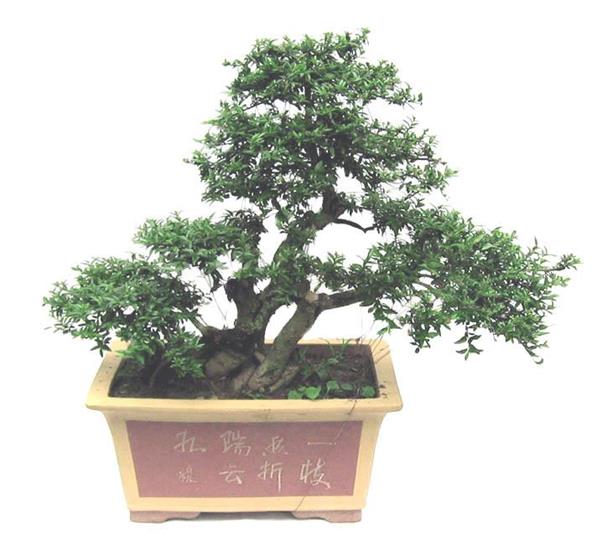
In the first year, generally cultivate the root base first and remove buds that are in the wrong position; only in the second year, after the branches have grown thick and become woody, can you begin pruning. Pruning is primary and tying is secondary, and usually pruning once a year is best (if the bonsai ficus is growing too vigorously, prune twice a year; when pruning again, wait until the forked branches growing from the shortened branches have become thick and strong before doing it again).
Special tip: A bonsai ficus should generally be placed in a ventilated, well-lit spot. If the soil is sandy, you can water a bit more; if the soil is clayey, you should water less, because clayey soil has poor water permeability and too much watering will cause the roots to rot. There must be a certain amount of air humidity; if sunlight is insufficient, ventilation is poor, and there is no certain air humidity, it is easy to make the plant turn yellow and dry out, leading to pests and diseases, and even death. If problems occur, pay attention to observing the specific causes and treat them according to the symptoms.