How to Grow Gardenia? Detailed Guide to Care Methods
Gardenia is very beautiful; every time it blooms, it is so lovely, so pure white. Growing it on a balcony at home or in an indoor bedroom is very beautiful, so how do you grow gardenia? Especially for potted plants, what details need attention? Below, I will share the cultivation methods for gardenia.
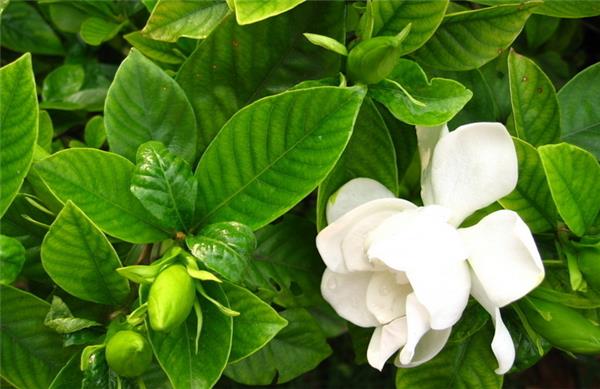
I. Gardenia Care
1. Soil: It is best to use fertile acidic soil rich in humus; this is the key to successfully growing it in northern households. Generally, you can use leaf mold plus 1 part decomposed soybean cake fertilizer, while mixing in a certain amount of ferrous sulfate, or after potting, drench thoroughly 3 to 5 times with 0.2% ferrous sulfate or alum fertilizer water.
2. Planting: Use cuttings or layer-propagation seedlings for planting, make sure the plant's root system is fully spread out, and at the same time fill the gaps in the root system tightly with fine soil; the density of the filled soil should be about 85%, and note that it should be firm below and loose above, with a depth of about 1 cm above the root system. After planting, water thoroughly in time, generally until water seeps from the bottom of the pot.
3. Management and care: Gardenia requires relatively high air humidity. The principle for watering is to water thoroughly after the soil dries out; rainwater, snow water, or fermented rice-washing water is best. During the growing season, water once every 7 to 10 days with water containing 0.2% ferrous sulfate or apply alum fertilizer water once. In summer, gardenia should be placed in a shaded spot under trees with scattered light for care; in spring, summer, and early autumn, water frequently and spray the leaves to increase humidity. In winter, it should be placed in a sunny spot, fertilization should be stopped, and watering should not be excessive; you can often rinse the branches and leaves with water close to room temperature to keep the leaf surface clean, especially in heated rooms in the north. Do not place the flowerpot directly in front of a radiator or air conditioner to avoid leaf dehydration.
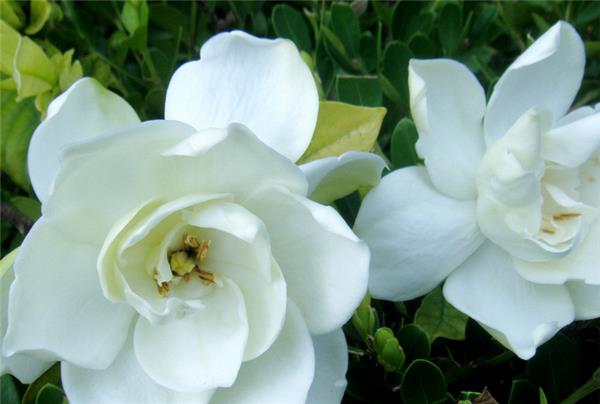
II. Precautions for Growing Gardenia
Gardenia is often prone to chlorosis with yellowing leaves. Chlorosis can be caused by many reasons, so different measures must be taken for prevention and control. Chlorosis caused by fertilizer deficiency: this kind of chlorosis starts from the older leaves at the lower part of the plant and gradually spreads to the new leaves. Nitrogen deficiency: leaves simply turn yellow, and new leaves are small and brittle. Potassium deficiency: old leaves change from green to brown. Phosphorus deficiency: old leaves turn purplish red or dark red. For the above situations, you can apply decomposed human waste or cake fertilizer. Chlorosis caused by iron deficiency: this kind of chlorosis appears on new leaves; at first the leaves are pale yellow or white while the veins remain green, and in severe cases the veins also turn yellow or white, and eventually the leaves dry up and die. For this situation, spray a 0.2%-0.5% ferrous sulfate aqueous solution for prevention and control. Chlorosis caused by magnesium deficiency: this kind of chlorosis starts from old leaves and gradually develops toward new leaves, the veins remain green, and in severe cases the leaves fall off and the plant dies. For this situation, spray 0.7%-0.8% boron-magnesium fertilizer for prevention and control. Excessive watering, freezing, and other factors can also cause yellow leaves, so special attention should be paid during care.
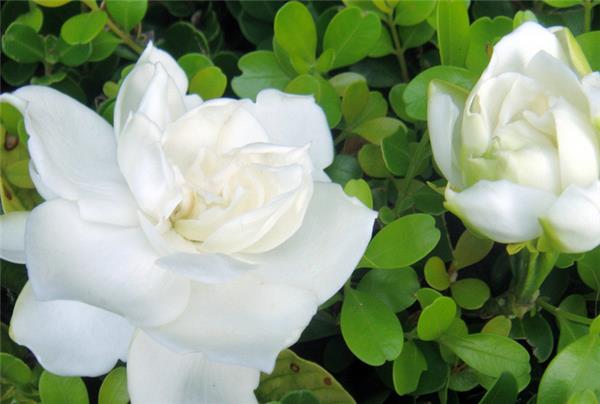
III. Seasonal Management of Gardenia
1. Winter dormancy and freeze protection! In winter, temperatures drop, and severe cold can damage gardenia's root system, especially in the north, where winter arrives early and lasts long, so freeze protection for gardenia in winter is very important. Wrap the flowerpot well with foam plastic and other insulating materials to protect the root system, and place it in a wind-sheltered, sunny spot to overwinter; it will recover quickly in spring and bloom early.
2. Change the pot and soil in spring! When an indoor potted gardenia reaches about 30 cm in height, it needs to be repotted with new soil. If repotting, plant it into the new pot together with the root ball. It is better to change the soil in March in spring, because after the roots are injured, new roots are more likely to grow.
3. Prune before winter! According to the tree shape, select and keep three main branches, and at any time cut off other branches sprouting from root suckers. Remember that gardenia must not have the branch tips cut back in spring, otherwise it will not bloom that year.
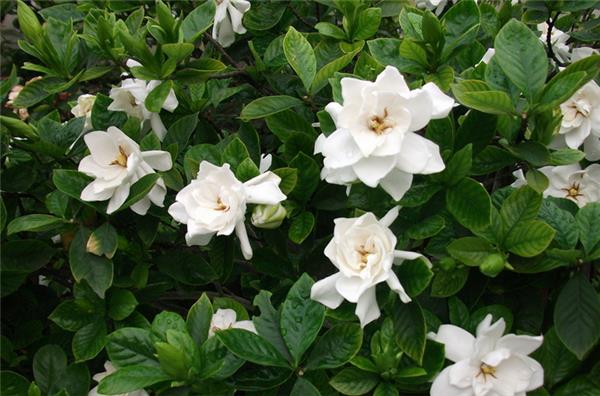
That is all for the introduction to gardenia cultivation methods. Everyone should also have a general understanding of how to grow gardenia! If you think it is good, you can also look at gardenia pictures; it looks very elegant and lovely.