What to Do When Cyclamen Leaves Turn Yellow? Cause Analysis and Solutions
The flower language of cyclamen, what to do when cyclamen leaves turn yellow, plus growing methods and points to note. It is suitable for potted display and can be placed indoors for decoration, especially suited to brightening a sunny shelf or desk at home. Because of its attractive, distinctive plant shape, abundant blooms and rich colors, and the fact that some varieties are fragrant, it is deeply favored by people.
What to do when cyclamen leaves turn yellow
Cyclamen leaves turning yellow may be due to fertilizer or pesticide being too concentrated, or applied too frequently. Generally, fertilizing once every 15 days in summer is enough, and fungicides should not be too concentrated, with once every 7 days being sufficient. This may be a common cause of cyclamen leaves turning yellow.
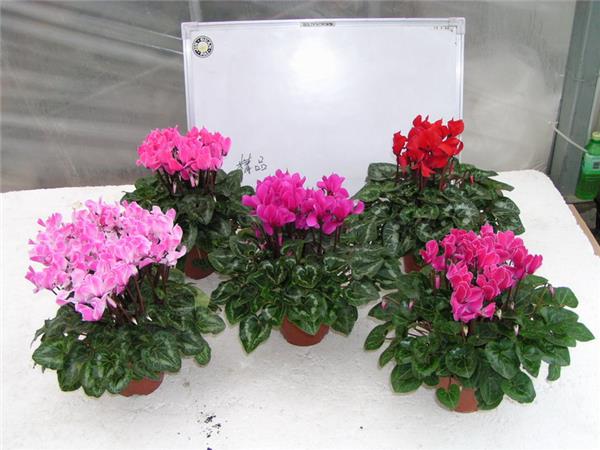
Of course, cyclamen leaves turning yellow is also related to cyclamen growing methods. For example, when summer temperatures are high, it should not be placed in a spot with blazing sun; when watering, it is best to water in the morning or evening, because its leaves cannot withstand the temperature difference of watering under blazing sun; for those that have not been repotted for about a year, the soil should be changed in spring or autumn. These are several causes of cyclamen leaves turning yellow.
While learning how to deal with cyclamen leaves turning yellow, friends growing cyclamen should also pay special attention: the tuber of cyclamen contains toxic plant alkaloids, and if mistakenly eaten by people or animals, it can cause symptoms such as dizziness, vomiting and diarrhea. While mastering cyclamen growing methods, you should also know this common knowledge, so as to avoid unnecessary trouble for yourself.
The flower language of cyclamen: welcoming honored guests
Cyclamen, also called bonfire flower and turned-petal lotus, is very popular when in full bloom and is a high-grade potted flower for decorating living rooms, desks, and public places such as shops and restaurants in winter. In Europe and America it is also an important flower for giving to relatives and friends at Christmas to express good wishes. It is suitable for potted display and can be placed indoors for decoration, especially suited to brightening a sunny shelf or desk at home.
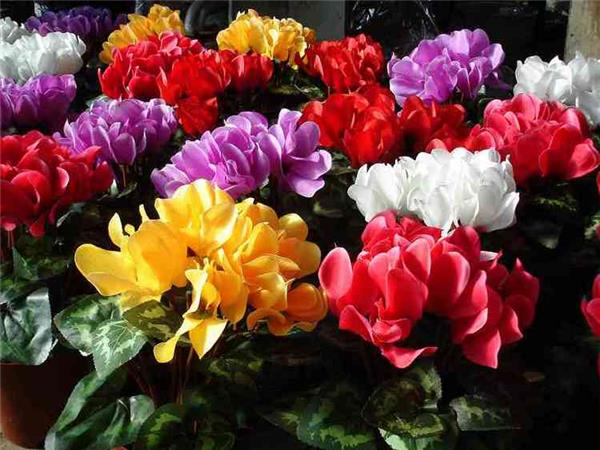
Because of its attractive, distinctive plant shape, abundant blooms and rich colors, and the fact that some varieties are fragrant, it is deeply favored by people. Cyclamen can also be grown in pots by soilless culture, clean and charming, and even more suitable for home decoration.
Cyclamen leaves turning yellow may be due to fertilizer or pesticide being too concentrated, or applied too frequently. Generally, fertilizing once every 15 days in summer is enough, and fungicides should not be too concentrated, with once every 7 days being sufficient. This may be a common cause of cyclamen leaves turning yellow.
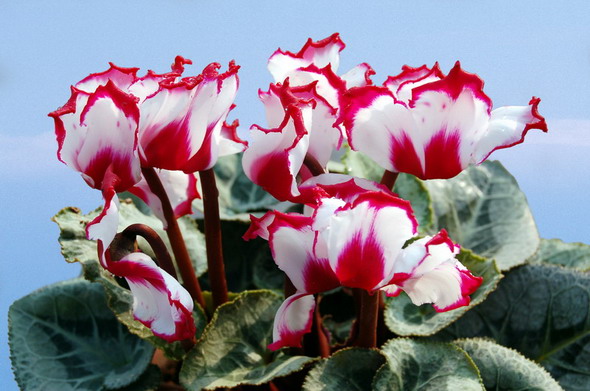
Cyclamen growing methods:
Light: Cyclamen should be placed in bright spots such as windows and balconies, and the position of the pot should be changed frequently. Sufficient light can make the flowers more brilliant and the leaves more glossy. Although cyclamen belongs to the relatively shade-tolerant Primulaceae family, long-term insufficient light can easily make cyclamen leaves turn yellow.
Ventilation: Cyclamen likes ventilation. Smoke, dust and stale air will make the petals dry up and wither, but it should not be placed directly in a drafty spot.
Temperature: A room temperature above 5°C allows cyclamen to grow normally. When room temperature is lower, cyclamen can maintain a longer flowering period, but blooms come slowly; when room temperature is higher, blooms come quickly, but the flowering period is short.
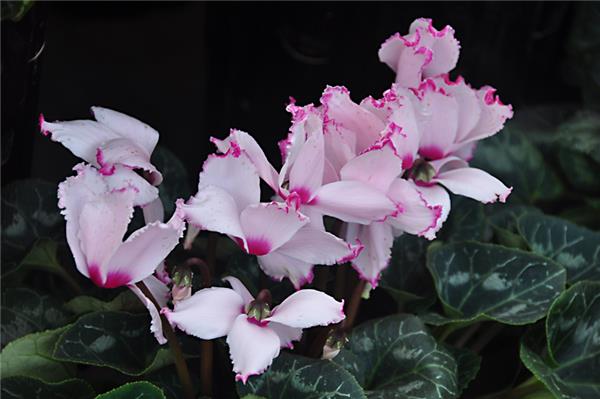
Humidity: Humidity should be kept at 60%-70%. Too little humidity makes the flowers smaller, while too much humidity causes gray mold and other fungal diseases on the petals and leaves. Never spray water on the petals, otherwise the petals will rot.
Points to note when growing cyclamen:
Cyclamen likes light but fears blazing sun; it likes cool conditions, fears heat and is not cold-tolerant (indoors over winter it should not be below 10°C); it likes loose, moist soil and fears waterlogging, drought and soil compaction; it likes fertilizer but fears raw fertilizer, concentrated fertilizer and heavy fertilizer; the soil should be neutral. In addition, it requires fresh air. The suitable growing temperature for cyclamen is 15°C to 25°C. When the temperature exceeds 30°C, the leaves gradually turn yellow and wither, growth stagnates, and it enters dormancy or semi-dormancy; if the temperature exceeds 35°C, the corm will rot from heat. Whether it can safely pass the summer is the key to successful cyclamen cultivation.