What to Do When Rose Leaves Turn Yellow? Teach You How to Grow Roses Well
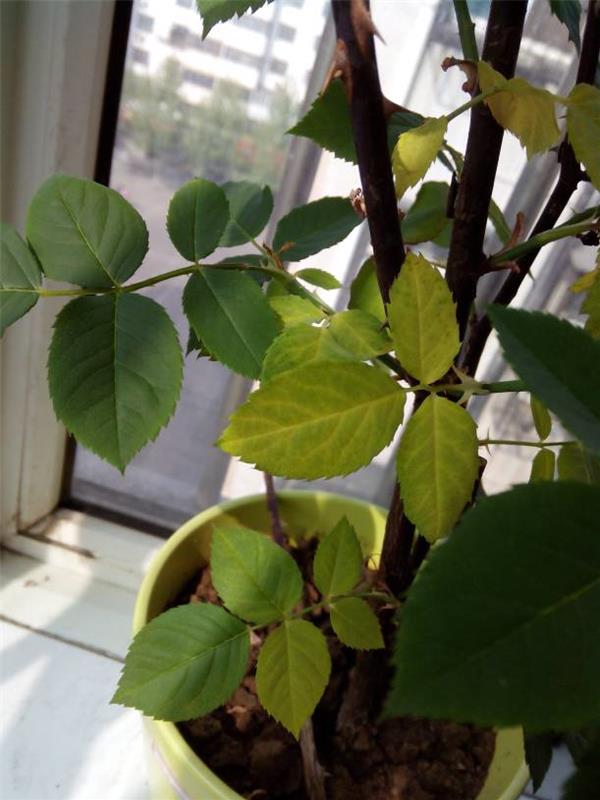
Why do the leaves of several potted roses and dwarf small-flowered varieties bought from the flower market turn yellow and drop before long? Is there any way to remedy it? Roses like good ventilation and ample sunlight. Potted roses bought from the flower market in spring are mostly grown in the open under superior greenhouse conditions or direct sunlight; after being brought home and placed indoors, the sudden change in environment - insufficient light, poor ventilation, plus overwatering or excessive drought - causes the leaves to turn yellow and then drop. Roses are a relatively easy plant to grow, but the most common problem with roses is the aging of the flowers, so what should you do when rose leaves turn yellow?
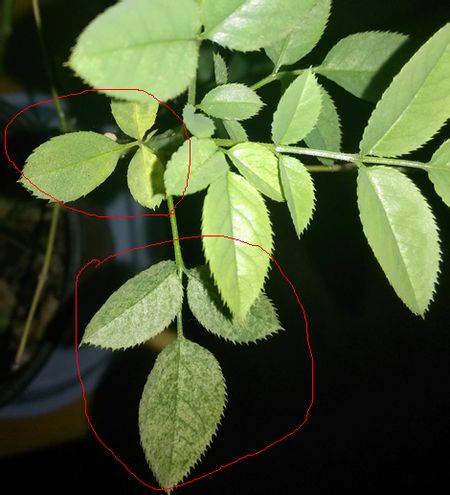
If you are enjoying the flowers indoors during the blooming period, it is best to place them indoors during the day, move them outdoors at night, and move them back the next morning. Keep the potting soil moist but not wet, and do not let it stay too wet or too dry for long periods. After flowering, move them outdoors and grow and care for them under direct sunlight, so you can both enjoy the flowers and avoid damaging the plant. As for the current remedy, you should move them outdoors into direct sunlight and control the amount and frequency of watering. Even if the natural temperature drops below 0°C, there is no need to move them back indoors; after a period of recovery, prune when the dormant buds are just beginning to swell. After pruning, they will likely be in a leafless state, so you should reduce watering, loosen the soil frequently, and keep the soil surface permeable. Raising the soil temperature will allow them to resume growth quickly. Another method is to move them outdoors, remove them from the pot and take away part of the old soil, then plant them in a seedbed, which gives a more reliable recovery.
Rose leaves turn yellow for the following reasons:
1 Overwatering; watering should follow the principle of watering thoroughly only after the soil has dried out.
2 Too little light; generally more than 6 hours of light is needed for green leaves and vivid flowers.
3 Poor air circulation; in a dry, stuffy, hot environment the leaves turn yellow and dry up, and powdery mildew is likely.
4 Indoor temperature too high or too low.
5 Insufficient nutrients; roses like fertilizer, so apply light fertilizer frequently, otherwise the leaves turn yellow and the plant does not bloom.
6 Improper fertilizing; applying fertilizer that is too concentrated or unrotted organic fertilizer causes "root burn" and leads to yellowing and withering.
7 The soil should be loose and fertile; if drainage is poor and the soil becomes compacted, the leaves turn yellow and the plant may even die.
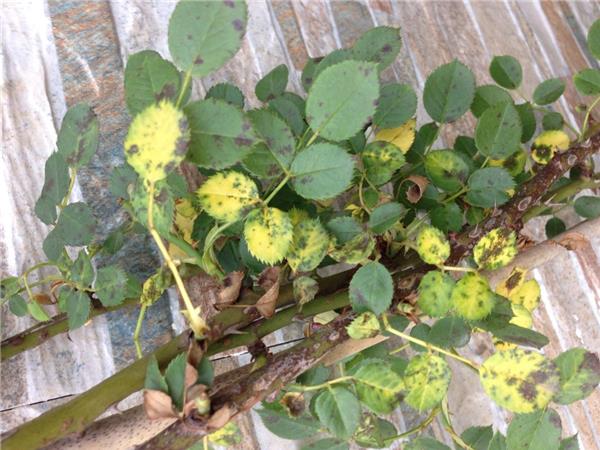
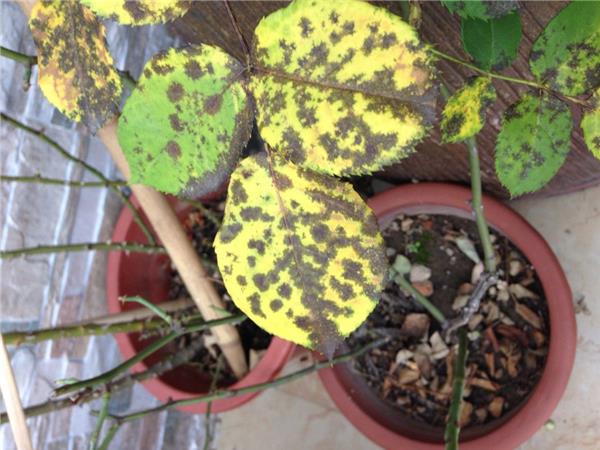
8 Pests. Damage from pests such as red spider mites and scale insects can also cause the leaves to wilt and turn yellow.
Rose Cultivation and Management
Rose transplanting is done between November and March of the following year; pruning can be done at the same time as transplanting. First cut away dense branches and dead branches, then cut away old and weak branches, leaving 2 to 3 outward-growing buds so the plant can spread in all directions; appropriately shorten particularly strong branches to strengthen the growth of weak branches. In summer, when new branches grow too densely, thin them out. After each batch of flowers fades, promptly cut off the upper part of the branch connected to the spent flower so it does not set seed and consume nutrients, and keep the plump middle and lower branches to encourage early new growth and another round of blooming. Roses like a heavy application of base fertilizer before flowering and a top dressing of quick-acting nitrogen fertilizer after flowering to strengthen the plant and force flowers. Roses have strict water requirements and cannot be too wet or too dry; too dry and they wither, too wet and the roots are damaged and the leaves drop.
The main pests of roses are aphids, leaf-rolling moths, and slug moths; control is mainly with pesticides such as dimethoate or isocarbophos at 1000 to 1200 times dilution.
Rose Blooming Period Control
Rose is also called "monthly red"; its natural blooming period is from May to November, flowering continuously. However, controlling the blooming period of roses during the Olympics is still very important, especially for potted roses and cut roses, the blooming period must be well controlled to fully complete the temporary flower display tasks at various venues and stadiums during the Olympics and the fresh cut flower supply tasks.
In actual work, analyze specific situations case by case. For field-grown roses, according to their geographical location, while ensuring continuous blooming, let them bloom more and bloom well from August 8 to 24. The following methods are for reference: around June 20, prune all spent flowers and part of the already fully bloomed flower branches of field-grown roses by 50%, cutting to the round bud at the mature middle part of the flower branch; their blooming and ornamental period is about August 1 to 15; around June 30, prune all spent flowers and all flower branches after full bloom by the above method; their blooming and ornamental period is about August 10 to 25; after June 30, prune spent flowers at any time to let them bloom naturally. For potted roses and cut roses, calculate the date the flowers are needed, and about 45 days before the flowers are needed, carry out a full branch pruning.
Fertilizer and water management: in the above pruning situations, scientific fertilizer and water management should be combined with the plant's growth condition. After the plant is pruned, when the new generation of buds does not sprout, spray 0.2% urea on the leaves once every 5 or 6 days, which can promote new bud sprouting; if the plant grows quickly and new branches grow rapidly, exceeding the planned range, controlling the water supply can slow growth. In the process of water control, take the point at which the branches and leaves wilt, then water promptly and they recover within 1 hour as the critical limit. Water is the carrier of various enzymes in the plant body; when the water supply is insufficient, enzyme activity decreases, metabolism slows, and therefore plant growth slows. If new branches bud later than planned, at this time spray 0.2% monopotassium phosphate on the leaves once every 5 or 6 days, and the flower buds will grow rapidly. The blooming period of roses consumes a large amount of water and internal nutrients, so the water supply must be sufficient.
When the new generation of buds does not sprout, spray 0.2% urea on the leaves once every 5 or 6 days, which can promote new bud sprouting; if the plant grows quickly and new branches grow rapidly, exceeding the planned range, controlling the water supply can slow growth. In the process of water control, take the point at which the branches and leaves wilt, then water promptly and they recover within 1 hour as the critical limit. Water is the carrier of various enzymes in the plant body; when the water supply is insufficient, enzyme activity decreases, metabolism slows, and therefore plant growth slows. If new branches bud later than planned, at this time spray 0.2% monopotassium phosphate on the leaves once every 5 or 6 days, and the flower buds will grow rapidly. The blooming period of roses consumes a large amount of water and internal nutrients, so the water supply must be sufficient.