What to do when the leaves of the umbrella plant turn yellow? How to grow the umbrella plant
The umbrella plant looks just like its name suggests, shaped like an open umbrella. Nowadays more and more umbrella plants are finding their way into people's homes, and more and more people are growing them. So how do you grow the umbrella plant? What should you do when its leaves turn yellow? When growing the umbrella plant, as with many bamboos, you need to pay attention to shading and to water control.
Umbrella papyrus, also known as the umbrella plant, is an excellent indoor foliage plant. Besides being grown in pots for ornamental purposes, it is also a material for making bonsai, and can be grown hydroponically or used as cut-flower material. In the Jiangnan region it can be grown outdoors where there is no frost. Although it is easy to grow, some flower lovers find that their umbrella papyrus develops yellow leaves. In fact, there are many reasons why leaves turn yellow.
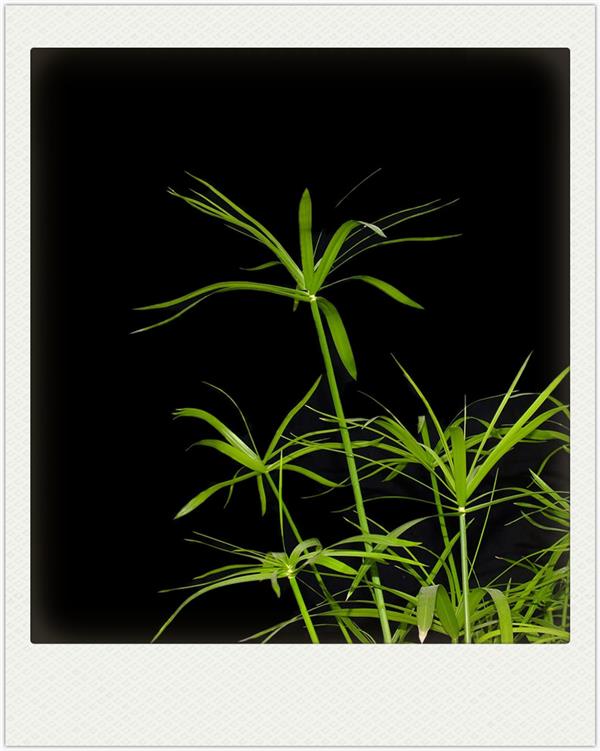
Umbrella papyrus care methods
Umbrella papyrus is easy to grow and needs little management. As long as it gets a certain amount of light every day, has good air circulation, and is watered frequently, it will grow stout, lush and emerald green. It looks elegant and generous, bringing aesthetic enjoyment. Umbrella papyrus is not very demanding about soil; grown in garden soil it will stay tall and upright for more than ten years. When the seedlings are weak, just water them with a small amount of human urine or chemical fertiliser diluted in water. Umbrella papyrus likes warm, humid, humus-rich clay soil, tolerates shade but not cold, and the winter temperature should not fall below 5°C.
Umbrella papyrus originates from the marshes along the edges of rivers and lakes in the West Indies. It likes warm, damp, shady conditions and fresh air. It is not demanding about soil, but loam rich in humus with strong water retention is suitable. Umbrella papyrus is not cold-tolerant and dislikes drought.
In East China and North China it is grown indoors in pots. In winter the room temperature should not be too high; keeping it at 5°C to 10°C is best.
Umbrella papyrus is generally propagated by division, cuttings or sowing.
Division is carried out in April to May together with repotting and changing the soil. Variegated kinds such as silver-money umbrella papyrus must be propagated by division, otherwise the markings on the new shoots will revert to green and disappear. Cuttings can be taken in any season. Cut off the leaf-like involucral bracts from 2 cm to 3 cm below the top of the stem, trim around them leaving only the central 2 cm, then insert the stem into fine sand with the bracts laid flat and pressed tightly against the sand surface. Water thoroughly, cover with plastic film, and spray water 1 to 2 times a day to keep it moist. At 20°C to 25°C, most small plantlets will sprout in about 20 days.
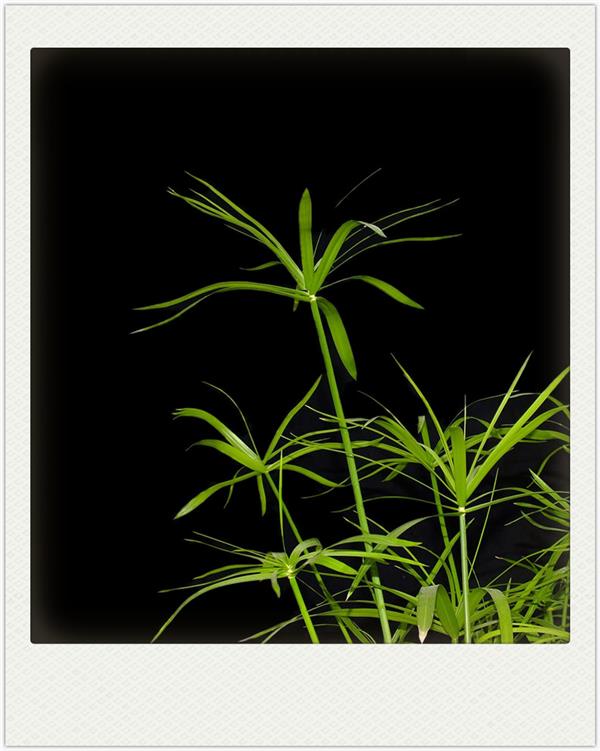
Sowing can be done indoors in pots in spring, with a very high germination rate. Umbrella papyrus is robust and easy to cultivate, and can be kept indoors all year round. The winter room temperature should not be below 5°C, and strong direct sunlight should be avoided in summer. During the growing period, keep the potting soil and the surrounding environment moist, and apply a dilute liquid fertiliser once every half month.
Be careful not to apply fertiliser too strong, so that the plant does not become tall and coarse-looking and lose its elegant charm. Stems that are too old should be cut out at any time to encourage new shoots, so that the clump keeps renewing itself and stays fresh and green. For home cultivation, you can also plant several stems of umbrella papyrus in a long oval bonsai pot or at one side of it, add one or two small ornamental rocks, and arrange the clump so that it is well spaced and pleasingly staggered, then place it on a desk or table for viewing.
What to do when the leaves of the umbrella plant turn yellow
1. Yellow leaves on a newly bought umbrella plant
A newly bought umbrella plant goes through a period of acclimatisation. If the leaves are still yellow after a long time, it is hard to say which factors caused it; it may be a problem with the seedling itself or its inability to adapt to the new environment.
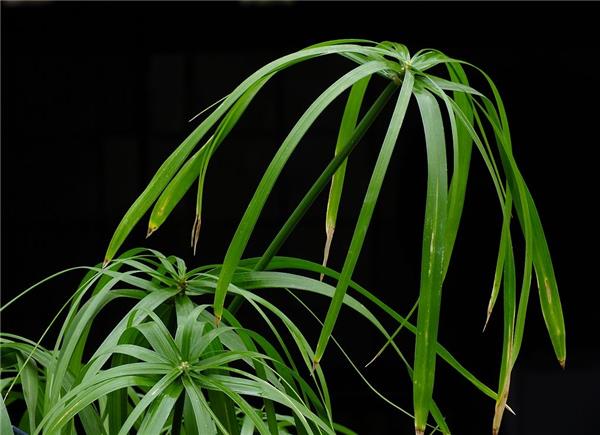
2. Gradual yellowing after growing it for a while
Check for changes in the surrounding environment, then check whether the roots are normal and whether there are signs of root burn or root rot. If any are found, deal with them immediately. For umbrella plants grown in soil, also observe the condition of the soil and roots first. Even for a plant that likes water and moisture, too much water around it will affect it, and when grown in soil it should not be given large amounts of water.
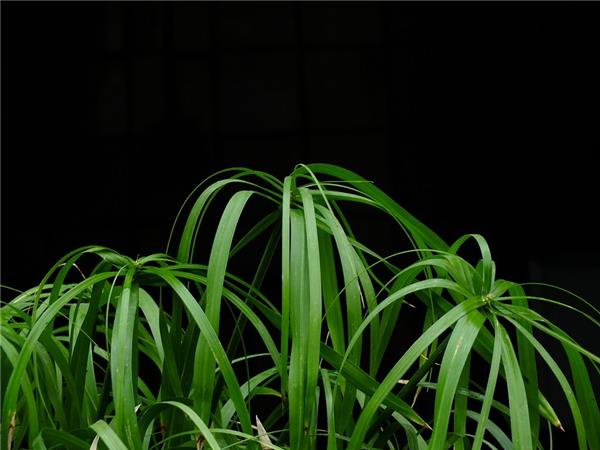
3. Yellow leaves caused by insufficient fertiliser
This is relatively rare, and the process is a gradual change. Growers can look at how the change develops. If it turns yellow within a short time, this is unlikely to be the cause, and you should not apply fertiliser, so as to avoid making the umbrella plant's condition worse and worse.