How to Grow Bougainvillea? Detailed Guide to Growing Methods and Precautions
Bougainvillea has a more vibrant and deeper color than ordinary plum blossoms, and its petal shape is unique, something other plum blossoms cannot imitate. There are quite a few precautions when growing bougainvillea; let's go through them one by one.
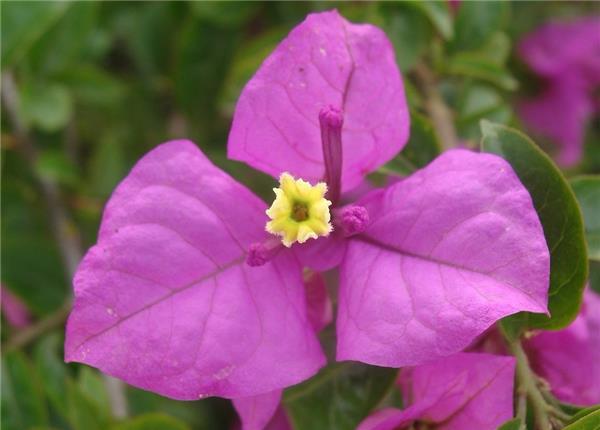
I. Growing Methods for Bougainvillea
1. Soil: Bougainvillea is not demanding about soil. It grows well in heavy clay loam that drains well and is rich in minerals; it tolerates poor soil, alkalinity and drought, and dislikes waterlogging. Slightly acidic soil is most favorable for bougainvillea growth.
2. Watering: Before flowering, be careful to control the amount of water. For everyday watering of bougainvillea, follow the principle of "do not water until dry, and water thoroughly when you do." But to make bougainvillea bloom uniformly and profusely, water must be withheld before flowering.
3. Temperature: The suitable growing temperature is 15-30°C. In summer, provide appropriate shade or take measures such as misting and ventilation; in winter, maintain an ambient temperature of no less than 5°C.
4. Fertilizing: Do not fertilize too much or too little. To make bougainvillea bloom more, sufficient nutrients must be ensured, and fertilizer should be applied at the right time and in the right amount, used sensibly. Generally, during the vigorous growth period from April to July, apply liquid fertilizer once every 7 to 10 days to promote robust plant growth; fertilizers can include 10% to 20% decomposed soybean cake, rapeseed cake water, or diluted human waste water.
5. Light: Throughout the year, except that newly potted seedlings should first be placed in partial shade. In winter, place it by a south-facing window, and the light duration must not be less than 8 hours.
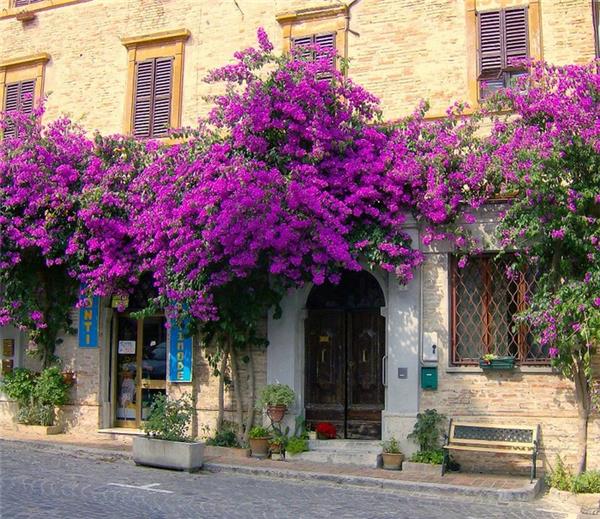
6. Propagation: Selection of cuttings: Bougainvillea branches, whether as thick as an arm or as thin as a stick of incense, can be used for cuttings; thick branches root slowly but take shape quickly; one-year-old woody green branches readily produce new roots and have a high survival rate. Generally choose tightly structured, thick 1-2 year old outer sun-facing branches (do not use overly thin branches, immature branches, leggy branches, or shaded branches). Use a sharp knife to cut them into sections of 3-4 nodes (about 8-10cm long), with the lower slanted cut 5-10 mm below a node; remove the lower leaves and keep the upper two and a half (or full) leaves as the cutting.
7. Pruning: Pruning requires care and should not be done too casually. Bougainvillea grows quickly, so during the growing period pay attention to shaping and pruning to promote side branch growth and produce more flowering branches. Pruning is generally done 1 to 3 times; do not prune too much, otherwise the number of flowering cycles will be affected.
8. Pest and disease control: Common pests of bougainvillea mainly include leaf beetles and aphids, and common diseases mainly include shoot blight. Normally, strengthen loosening of the soil and weeding, promptly remove dead branches and diseased leaves, and pay attention to air circulation to reduce the spread of disease sources. Strengthen disease inspection and deal with problems promptly when found; solutions such as dimethoate and thiophanate can be used for control.
9. Loosening the soil and repotting: Do not be lazy about this. Because of long-term watering, fertilizing and rain washing, the potting soil of bougainvillea easily becomes compacted. Therefore, the soil must be loosened regularly, and weeds in the pot should be removed at the same time, to benefit bougainvillea growth. Otherwise, compacted potting soil and waterlogging can easily cause root rot or poor growth in bougainvillea. In addition, bougainvillea grows quickly, has a well-developed root system and many fibrous roots, so it needs to be repotted once a year.
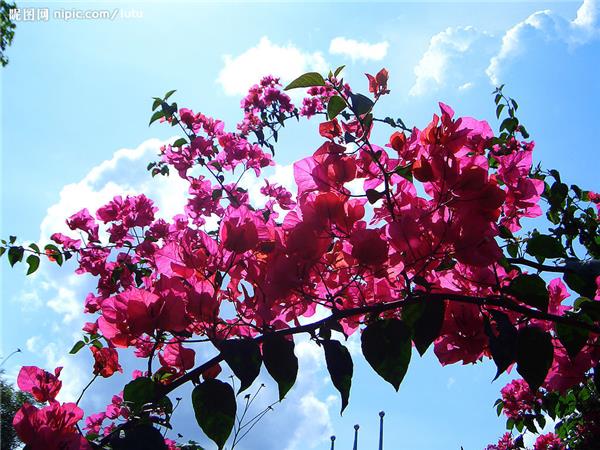
II. Precautions for Bougainvillea
1. During the growing period of bougainvillea, ensure an appropriate temperature for it. Generally in winter it should be kept above 5°C, and at the lowest it must not fall below 3°C.
2. It relatively loves sunlight, but in summer it should be given appropriate shading, and in winter 8 hours of light should be ensured.
3. For soil selection, choose relatively fertile, loose soil with strong drainage.
4. Watering should be moderate. During the plum rain season, ensure a certain degree of drainage, otherwise root rot may occur.
5. Before flowering, you may appropriately repot and change the soil, and at the same time carry out appropriate pruning.
III. Bougainvillea Prices
Bougainvillea prices are generally set according to its height, crown width and ornamental quality. Generally, a bougainvillea with a trunk diameter of 2 cm, a height of 200 cm and a crown width of about 100 m costs about 100 yuan each. Of course, for smaller saplings with a height of about 30 cm and a crown width of about 30 cm, the price is generally 10-20 yuan each.
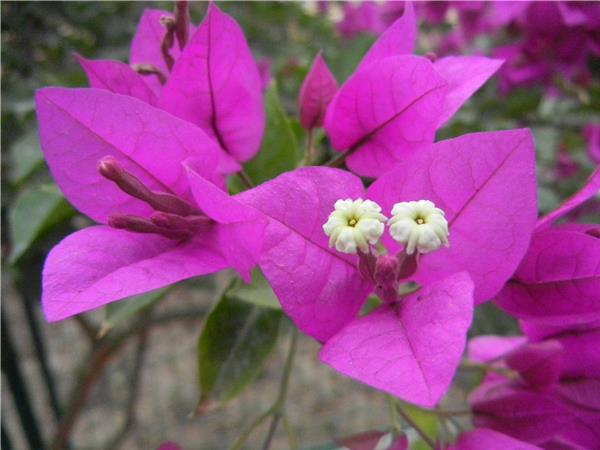
Bougainvillea is a plant with very high ornamental value, and it has a unique charm unlike other plum blossom varieties. Growing bougainvillea does not allow for laziness or carelessness; when it is time to water and fertilize, neither can be skipped, and especially when repotting, to ensure its vigorous growth, it must be repotted in time.