What to Do If a Clivia Has Root Rot? A Brief Guide to Treatment
Injury to the roots of a clivia, with leaves gradually thinning and losing color, is a warning sign, and yellowing leaf tips are the signal. Next, here is an introduction to what to do if a clivia has root rot.
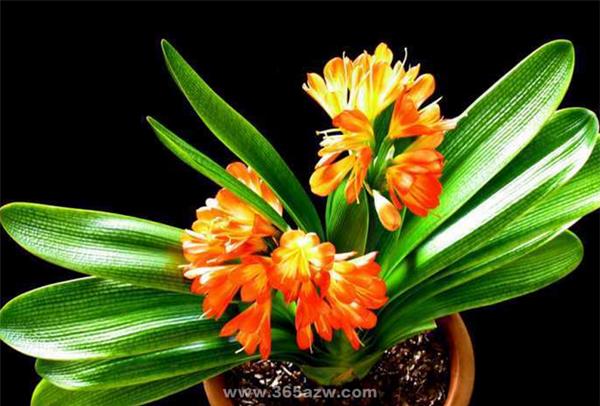
Causes of Root Rot in Clivia
1. High temperatures, high humidity and poor ventilation make the plant's fleshy roots very prone to rot.
2. Too much water: when the nutrient soil has a high water content and poor air permeability, the roots are soaked in water for a long time, causing the roots to discolor and rot.
3. Excess fertilizer: if the fertilizer in the nutrient soil has not fully fermented, it generates heat and burns the roots, causing rot. Improper fertilization during the growing season, or applying too much fertilizer, causes the fertilizer to come into contact with the roots, burning them and affecting the roots' absorption capacity; the root tissue is destroyed and rots. Be sure to apply thin fertilizer frequently.
4. Root injury: when repotting or dividing the plant, roots may be knocked, broken or caused to rot. The rotten fleshy roots must be completely removed, then coated with charcoal or fine stove ash and left to dry, and only then replanted in soil in a pot, to prevent the injured roots from directly contacting pathogens in the nutrient soil and rotting.
5. Poor air permeability: using ceramic pots, plastic pots and the like leads to poor air and water permeability in the potting soil, causing root rot.
6. Poor soil quality: bacterial ☆ban☆ diseases erode the fleshy roots, causing decay.
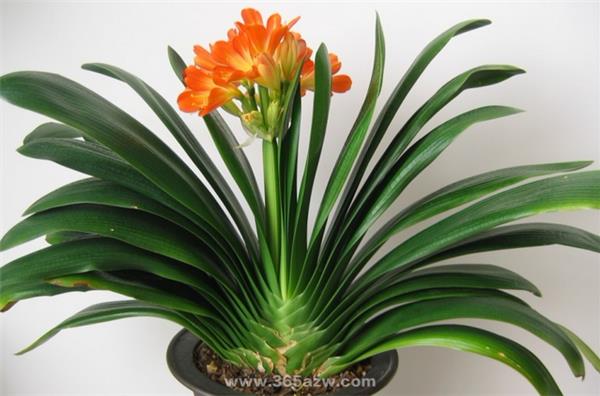
Solutions for Clivia Root Rot
Improve the Quality of the Nutrient Soil
The nutrient soil has poor permeability; the soil is either too decomposed or too fresh. The oak leaves used before preparing the nutrient soil must be neither overly rotted nor too fresh. If fresh, unrotted oak leaves are used to prepare the nutrient soil, they will generate heat after being placed in the pot and fermenting.
Adjust the Fertilizer Amount and Water Moderately
Do not fertilize clivia too much, otherwise heat will be generated, burning the root system and causing rot. Watering should also be moderate; too much water makes the nutrient soil hold excessive moisture, reduces permeability, makes root respiration difficult and causes root rot. Be careful not to water the center of the clivia.
Placing Nutrient Soil That Carries Bacteria Leads to Multiplication
In hot, humid environments, prevent bacterial multiplication and pathogen infection; in such conditions bacteria multiply in large numbers, directly invading the root system and causing root rot. Therefore, in the hot seasons of summer and autumn, excessive fertilization and watering can easily lead to root rot. Strengthen cooling and ventilation, control mechanical damage caused by people during hot seasons, and spray chemicals in time to prevent pests from biting, reducing the multiplication and spread of pathogens.
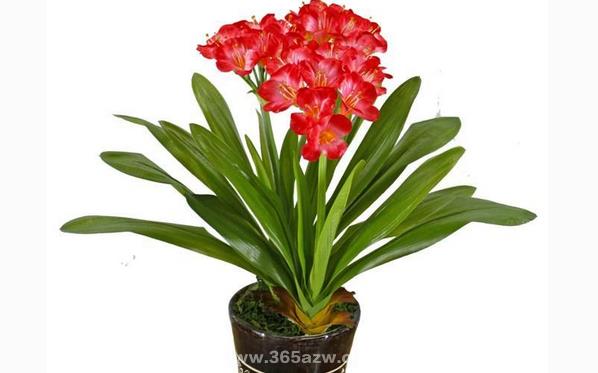
How to Prevent Root Rot in Clivia
During the cultivation of clivia, observe it frequently; if root rot is found, treat it immediately. Take the plant out, remove the rotten roots, rinse the roots with a 1% potassium permanganate solution for disinfection, or apply some charcoal powder to the affected areas, and sun the roots in a greenhouse for about 30 minutes. If more than 50% of the roots are rotten or all of them have rotted, after the above treatment, use river sand to encourage new roots. The root-forcing temperature should be higher than the usual temperature, generally controlled at around 22-30°C. After about 2 months, new roots will grow, and then it can be transplanted into a pot of nutrient soil.
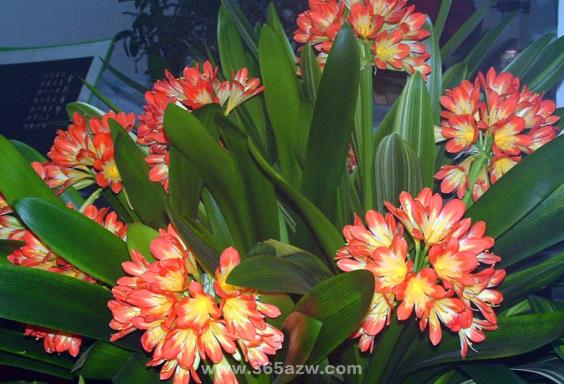
The above is an introduction to what to do if a clivia has root rot. I hope you enjoy it.