What are the characteristics of Clivia mirabilis? A complete guide
There are many species of Clivia, and today we are going to introduce Clivia mirabilis.
The origin of Clivia mirabilis
Clivia mirabilis is the sixth native species discovered in South Africa around 2000, and is a nationally protected species in South Africa. It was discovered in South Africa's Northern Cape Province. Clivia mirabilis grows in humus within crevices on the slopes of mountains strewn with rocks; they either grow alone or in groups. The areas where Clivia mirabilis grows generally have a semi-arid Mediterranean climate, and often experience a rainy period in winter. It likes to grow in semi-arid conditions, and in summer it likes to grow in a dry environment.
Characteristics of Clivia mirabilis
Clivia mirabilis grows in humus within crevices on the slopes of mountains strewn with rocks; they either grow alone or in groups, and these places often have sparse cover of evergreen African coral-tree forest. Some Clivia mirabilis also grow in sunlight, but these plants often have their leaf tips scorched by the sun and appear water-stressed. In the morning, the vast majority of Clivia mirabilis are on the shady side of the cliffs, and after that, until sunset, they can receive sunlight. The areas where Clivia mirabilis grows generally have a semi-arid Mediterranean climate, and often experience a rainy period in winter
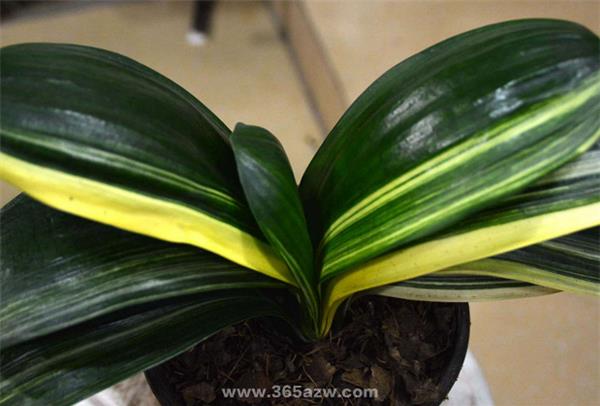
The leaves of Clivia mirabilis all have a white stripe down the center, which distinguishes it from other Clivia varieties. Moreover, its seeds need only 5 months to mature, whereas other Clivia varieties are not like this; for example, the seeds of Clivia miniata need a 12-month maturation period, the seeds of Clivia gardenii need a 15-month maturation period, and Clivia caulescens and Clivia nobilis need about a 9-month maturation period.
Appreciating Clivia mirabilis
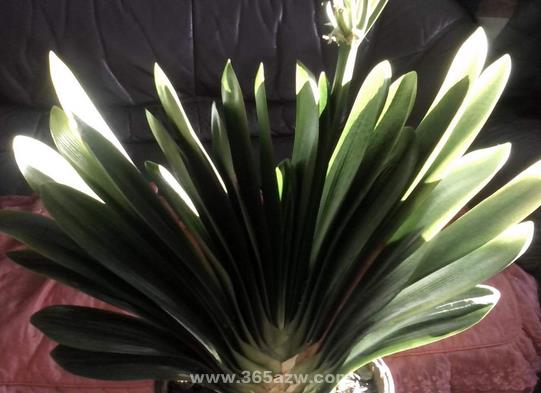
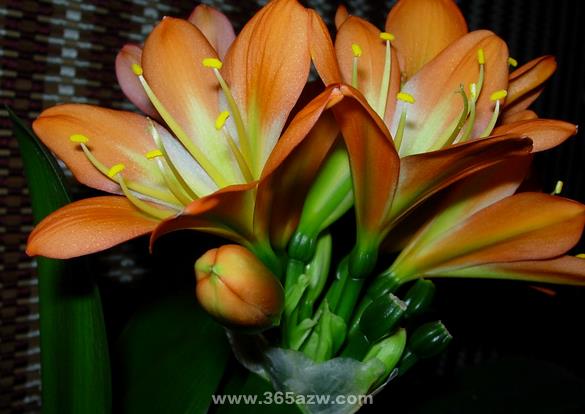
Clivia mirabilis has a dignified and graceful plant shape, with verdant, upright leaves, large and brightly colored flowers, and red, glossy fruit. Its leaves, flowers and fruit are all beautiful, and it is known for flowers in one season, fruit in three seasons, and foliage in all four seasons. Its flowering period lasts as long as 40 to 50 days, and it can bloom in early spring, making it an important holiday flower. Clivia is a perennial evergreen herbaceous plant, excellent in leaf, flower and fruit, and its foliage is even better than its flowers. Clivia blooms in winter, during Christmas, New Year's Day and the Spring Festival, and its flowering period. Viewed from its overall form, Clivia looks like a line from the side and like a fan from the front.
In addition, the Clivia plant, especially its broad and thick leaves, has many stomata and fine hairs, and can secrete a large amount of mucus. Through air circulation, it can absorb a large amount of dust, dirt and harmful gases, playing a filtering role for indoor air, reducing the dust content in indoor spaces and making the air clean. Therefore, Clivia is praised by people as an ideal "absorption machine" and "dust collector."
The above is an introduction to Clivia mirabilis, and I hope you enjoy it.