A comprehensive review of mosquito-repellent plants: these plants can all repel mosquitoes
Mosquito-repellent plants: this approach does not damage the quality of indoor space, and of course also has a good mosquito-repellent effect. Next, let us introduce them to you.
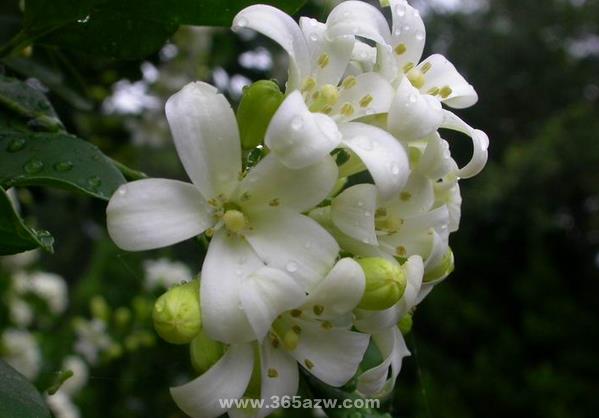
Night-blooming jasmine (Cestrum nocturnum)
Also known as night-blooming cestrum, it is native to tropical America. Its leaves are heart-shaped, with downy hairs along the edges. Between summer and autumn, clusters of yellow-green bell-shaped small flowers bloom in the leaf axils, and when the moon rises above the treetops, it gives off waves of delicate fragrance. This fragrance, however, makes mosquitoes afraid, making it an excellent mosquito repellent.
Night-blooming jasmine mostly grows in woodland or among shrubs. It prefers a warm, humid, sunny, well-ventilated environment with loose, fertile soil. It is drought-tolerant and tolerant of poor soil, but not waterlogging, nor cold; after leaf drop in winter it stops growing.
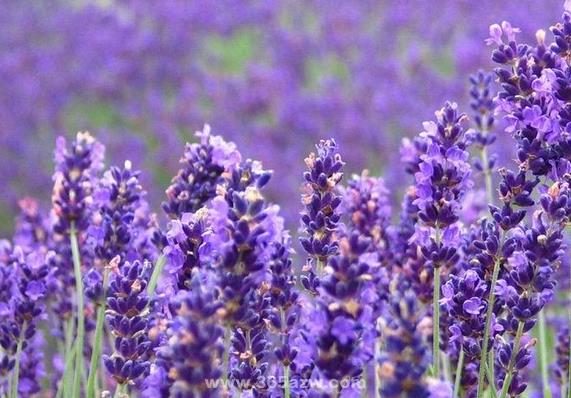
Lavender
It is a small blue-purple flower. Its place of origin is the Mediterranean. It prefers dry conditions, and its flower shape resembles a wheat ear; it usually blooms in June. Lavender itself has an insecticidal effect. People often make sachets from lavender and place them in cupboards, and some also put it in the bedroom to repel mosquitoes.
Lavender is suited to growing in areas with hot, dry summers and warm, humid winters, mainly relying on irrigated agriculture. Lavender is not strict about soil requirements, and is suitable for growing in slightly alkaline or neutral soil. Lavender likes plenty of sunlight.
Pitcher plant (Nepenthes)
The pitcher plant is a famous tropical carnivorous plant. Due to the influence of its natural environment, the pitcher plant mainly supplements its nutrition by capturing insects and various small animals, and thus it has become a carnivorous plant. The pitcher plant has a special organ, the pitcher, which is the organ used to catch insects and absorb nutrients, so it can be said to be an expert at catching mosquitoes.
Mosquito-repellent geranium
Mosquito-repellent geranium has a lemon scent; placing it indoors will make mosquitoes flee, because it uses transgenic technology to implant the citronellal gene structure, which has a mosquito-repellent gene, into the herb, using its own unique release system as a carrier to continuously release citronellal substances into the air.
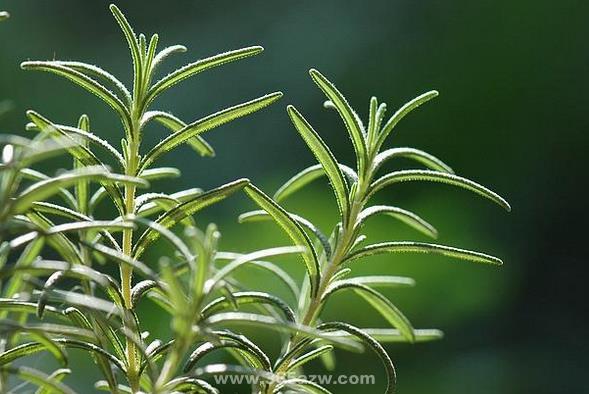
Dalmatian chrysanthemum (Tanacetum cinerariifolium)
Dalmatian chrysanthemum is a special family within the Asteraceae plants. It is called Dalmatian chrysanthemum because its flower center is rich in an insecticidal active substance called pyrethrin or pyrethroid, which has a significant insecticidal effect. The insecticidal characteristic of pyrethrin lies in its neurotoxicity: once pests come into contact with it, it quickly embeds itself in the pest's nervous system, rapidly knocking down and killing the pest. However, this characteristic of it does not affect the nervous systems of humans and mammals, nor does it remain in the bodies of mammals.
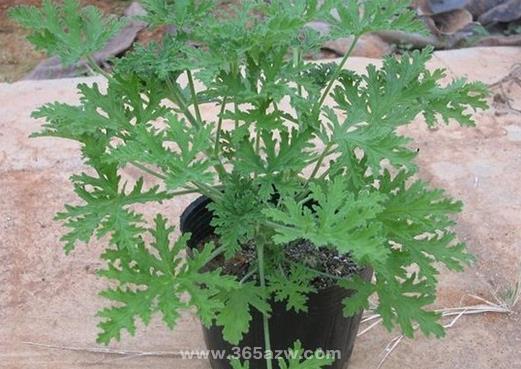
Mosquito-clearing scented geranium
Mosquito-clearing scented geranium is a perennial foliage ornamental plant of the aromatic Pelargonium genus with a new genetic structure, obtained by Australian botanist Dick's team over more than ten years through bioengineering technology by altering the chromosome structure of the geranium plant. In fact, it is the same kind of plant. It combines the unique release function of geranium with the citronellal substance contained in another type of plant. The citronella gas released as it grows is not only fragrant and pleasant, purifying harmful gases such as indoor smoke odors, but is also the nemesis of mosquitoes.
The above is an introduction to mosquito-repellent plants. I hope you will like it.