What are the types of aquatic plants? A complete guide in one article
In the broad sense, aquatic plants include all emergent, submerged or floating plants. It can be said that any plant that can grow in water can be called an aquatic plant. Next, let us introduce the types of aquatic plants to you.
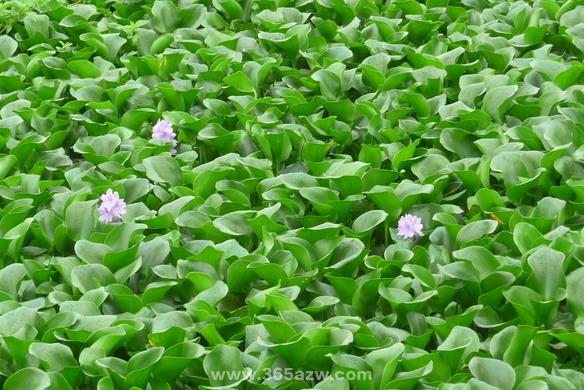
Types of aquatic plants
Emergent aquatic plants are tall, with brightly colored flowers; the vast majority have distinct stems and leaves, standing upright and straight, with the lower part or base submerged in water, while the roots or rhizomes are rooted in the mud and grow, and the upper part of the plant rises above the water surface. There are many types of emergent plants, and common ones include lotus, purple loosestrife, sweet flag, yellow flag iris, softstem bulrush, powdery thalia, pickerelweed, variegated giant reed, cattail, water plantain, umbrella plant, reed, wild rice stem, and so on.
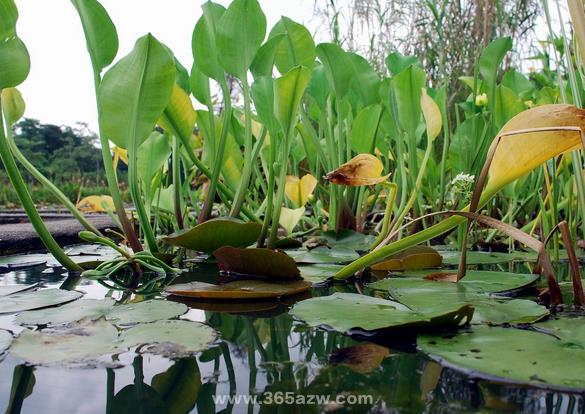
Floating-leaf plants are also one of the types of aquatic plants. Floating-leaf aquatic plants have well-developed rhizomes, large and brightly colored flowers, no obvious above-ground stems, or stems that are slender and weak and cannot stand upright, with leaves floating on the water surface. Common types include Victoria amazonica, water lily, spatterdock, fox nut, and floating heart, among others.
Floating plants such as fine-leaved mosquito fern or water hyacinth can also absorb dissolved nutrients in the water through fine roots. Deep-water plants such as Nuphar and Nymphaea species have their roots at the bottom of the pond, while their flowers and leaves float on the water surface. Besides being very beautiful themselves, they also provide shade for pond organisms and limit the growth of algae.
Submerged aquatic plants can be regarded as terrestrial plants in water. Submerged aquatic plants have roots and stems growing in the mud, with the entire plant submerged in water, and they have well-developed aerenchyma, which facilitates gas exchange. The leaves are mostly narrow and long or filamentous, can absorb some nutrients from the water, and can still grow and develop normally under low-light conditions underwater.
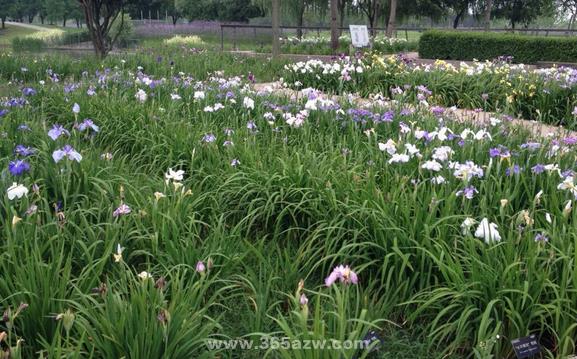
Characteristics of aquatic plants
1. Their leaves are soft and transparent, and some are formed into filamentous shapes (such as hornwort). Filamentous leaves can greatly increase the contact area with water, allowing the leaves to obtain as much as possible of the limited light available in the water and absorb the very limited dissolved carbon dioxide in the water, ensuring photosynthesis can proceed.
2. Another prominent feature of aquatic plants is that they have very well-developed aerenchyma. Lotus root is the most typical example; its petioles and lotus root have many holes, which are air passages. The holes connect with one another and run through each other to form a network of channels for transporting gas. In this way, even when growing in sludge that contains no oxygen or is lacking oxygen, they can still survive. Aerenchyma can also increase buoyancy and maintain body balance, which is also very beneficial for aquatic plants.
3. The adaptation mechanism of aquatic plants to low-salt environments: their vacuoles are relatively large and contain relatively more water, so the salt content in the vacuoles is relatively lower, and salt in the environment is absorbed into the vacuoles, increasing the salt content in the vacuoles and achieving a balance.
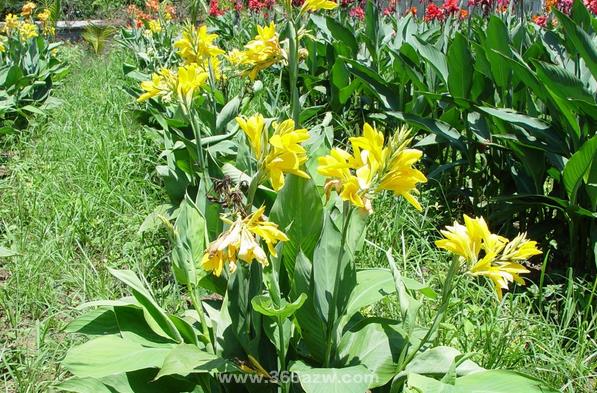
How to grow aquatic plants
Many aquatic plants are highly adaptable, so how do you grow aquatic plants? Unlike other plants, aquatic plants are rarely planted solely for ornamental purposes. Almost all aquatic plants are important for creating a good ecosystem.
A good ecological environment is the foundation for maintaining the beauty of a water body. To achieve this, it is necessary to reasonably balance and configure different aquatic plants to regulate light, oxygen, and nutrient levels, so as to create an aquatic environment suitable for both animals and plants to thrive.
Aquatic plants should be planted according to the habits of different species or varieties. During garden construction, there are two different technical approaches for planting aquatic plants. One is to build planting troughs at the bottom of the pond, spread at least 15 cm of cultivation soil, and plant the aquatic plants into the soil; the other is to plant the aquatic plants in containers and then sink the containers into the water.
The above is an introduction to the types of aquatic plants. I hope you enjoy it.