What are radiation-resistant plants? A summary of common varieties in one article
Radiation is everywhere in life now, so we might as well grow some radiation-resistant plants at home. Next, let us introduce them to you.
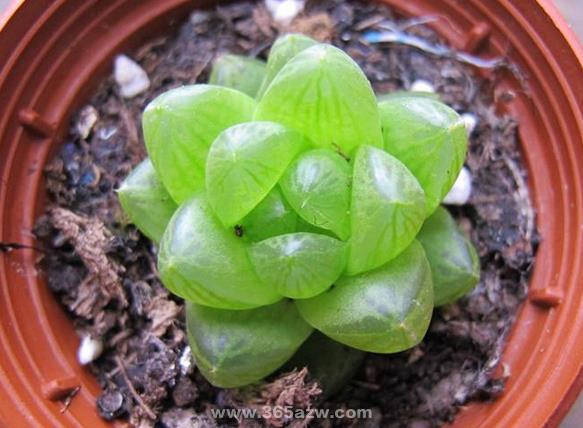
Cactus
Cactus or cactus ball is an excellent flower variety for courtyard greening and beautification. Although they are covered with spines, their appearance is very beautiful. They can be processed for medicinal and edible use, and they also have the "special function" of absorbing electromagnetic wave radiation and reducing the harm computers cause to human health. Cacti have spiny bodies, thick flesh, and high water content, making them easy to absorb and break down electromagnetic field radiation toxins in the surrounding environment, reduce indoor and outdoor pollution, and benefit human health. Some gardening experts suggest that where there are televisions, computers, microwave ovens, and other sources of electromagnetic field radiation, it is advisable to place several pots of cactus at the same time. Many large computer placement sites abroad are all filled with cacti of various sizes. This is an advanced scientific measure and may be worth learning from.
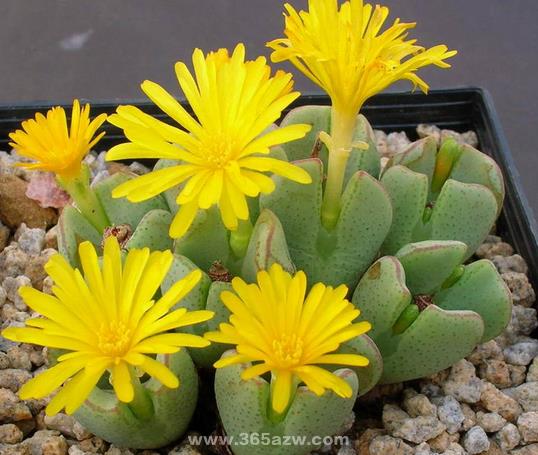
Weeping fig
This type of plant shows many excellent characteristics. It can increase the humidity of a room, which is beneficial to our skin and breathing. At the same time, it can also absorb formaldehyde, xylene, and ammonia and purify murky air.
In addition, the small leaves of the weeping fig make them a beautiful decoration in a room, and they are often used by interior designers to create a cheerful atmosphere.
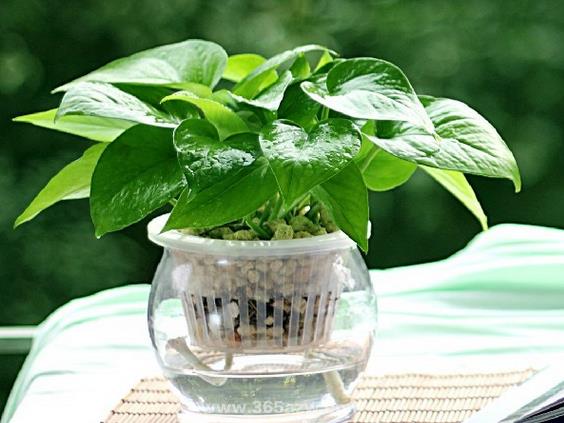
Golden pothos
It can "work" in environments where other indoor plants cannot adapt. Through a process similar to photosynthesis, it can break down toxic substances released from fabrics, walls, and smoke into substances of its own.
The beautiful heart-shaped leaves of golden pothos have a unique decorative quality, especially when it hangs outside a hanging pot.
This type of plant is easy to care for and can grow well even in dark environments, making it the best choice for beginners.
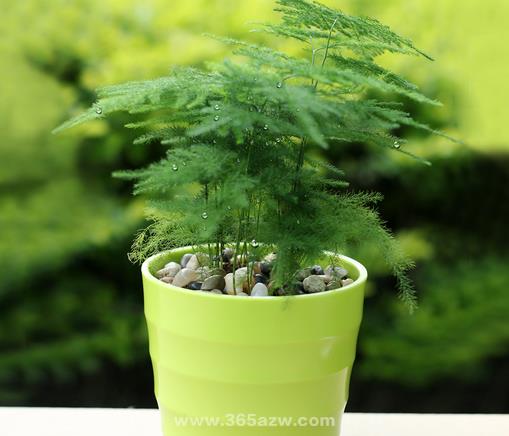
Dragon tree
Its attractive appearance and ability to adapt to the dim and dry environment of offices make it popular among interior designers. As long as it is given a little care, it can grow for a long time and bring high-quality air.
When it comes to suppressing harmful substances, it is hard for other plants to compare with the dragon tree. Its leaves and roots can absorb xylene, toluene, trichloroethylene, benzene, and formaldehyde and break them down into non-toxic substances.
Night-blooming cereus
A climbing shrub, plant height 3-6cm, stems triangular-prismatic, much branched, with wavy margins, becoming angular after growth, with small depressions, 1-3 inconspicuous small spines, and aerial roots.
Flowers large, sepals united at the base into a long tube, with linear-lanceolate large scales, flower margins yellow-green, inner parts white, flowering in summer, opening at night, lasting a very short time, fragrant.
The above is an introduction to radiation-resistant plants. We hope you like it.