What plants remove formaldehyde? These green plants are effective at purifying the air
After renovating a new home, the formaldehyde indoors lingers for a long time and the air in the new house does not meet the standard for moving in. At this point, you can choose some plants to place in your home. Let us introduce them to you below.
Chrysanthemum
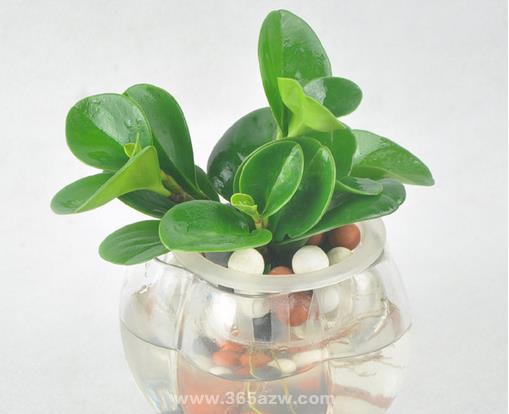
The chrysanthemum is a herbaceous flowering plant with extremely high ornamental value. It can be planted in courtyards or grown as a potted plant indoors. There are many varieties of chrysanthemum, but it also has plenty of uses in home beautification. The chrysanthemum can effectively break down two harmful substances, namely formaldehyde and xylene. These two harmful substances are extremely common in furniture; xylene generally hides in wallpaper and is extremely harmful to human kidneys.
Spider plant
The spider plant can be said to be a great helper for beautifying the home, and it is very easy to grow. Its form is elegant and slender, winning the favor of many people. The spider plant is an evergreen herbaceous plant. Many friends like to grow one or two pots of spider plant at home. It can absorb more than 80% of indoor harmful gases, and its ability to absorb formaldehyde is super strong.
Ivy
If you are choosing an ideal plant for beautifying the home, ivy definitely ranks first. Ivy is also often used to decorate courtyard fences. In summer, green ivy wraps around the entire iron fence. Whether viewed from afar or up close, it is a fine sight. Ivy effectively removes formaldehyde and breaks down two harmful substances, namely formaldehyde found in carpets, insulation materials, and plywood, and xylene, which hides in wallpaper and is harmful to the kidneys.
Alocasia
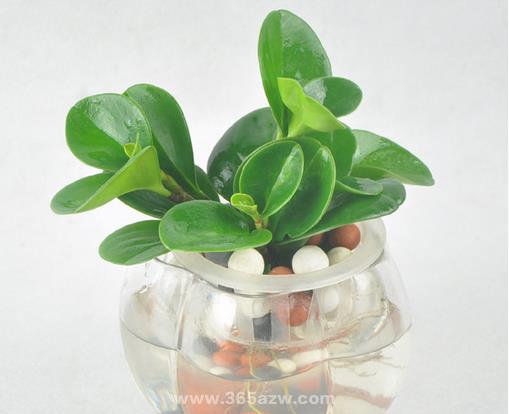
It has the effect of removing dust from the air. (Friendly reminder: the white sap in the stem of Alocasia is toxic, and the water it drips is also toxic. Accidental contact with or ingestion of its sap will cause discomfort in the throat and mouth, and a burning pain in the stomach. Special care should be taken to prevent young children from ingesting it by mistake. However, Alocasia is not a carcinogenic plant.)
Peace lily
It suppresses waste gases exhaled by the human body, such as ammonia and acetone. At the same time, it can also filter benzene, trichloroethylene, and formaldehyde from the air. Its high evaporation rate can prevent the nasal mucosa from drying out, greatly reducing the likelihood of illness.
Maidenhair fern
It can absorb about 20 micrograms of formaldehyde per hour, so it is considered the most effective biological "purifier." People who deal with paint and coatings all day long, or who have smokers around them, should place at least one pot of fern in the workplace. In addition, it can also suppress xylene and toluene released from computer monitors and printers.
Dragon tree
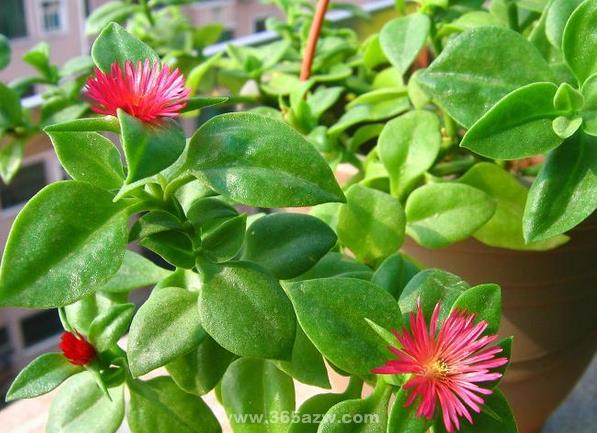
Its branches and leaves are sturdy and dense, and it can absorb harmful substances such as formaldehyde from the air. It also has a very impressive decorative effect. The dragon tree likes a hot and humid environment and enjoys light. It can be placed in a dark room for about 2 weeks, and in a bright room it can be kept for a long time.
Philodendron
Philodendron is an evergreen foliage plant. Its large leaves help it absorb harmful substances such as formaldehyde and ether, and it also has a certain effect on absorbing computer radiation. It likes a semi-shaded, warm climate and is not cold-tolerant; in winter it is best kept above 10 degrees. In summer, water it thoroughly twice a day, and spray water frequently to clean the leaf surface, so that it can show off its dripping green beauty.
Rubber plant
The rubber plant is like a green vacuum cleaner, with the ability to absorb carbon monoxide, carbon dioxide, hydrogen fluoride, formaldehyde, and more, and it can also absorb fine dust from the air. Its thick, plump leaves give a feeling of abundance and richness. The rubber plant likes a humid, bright, well-lit environment, but does not like direct sunlight. It likes loose, fertile, slightly acidic soil with good drainage.
The above is an introduction to formaldehyde-removing plants. I hope you enjoy it.