How to Grow Potted Roses and What to Pay Attention To
Nowadays potted plants can basically be seen in many people's homes, and people's love for potted plants keeps growing. Next, let us introduce potted roses to you.
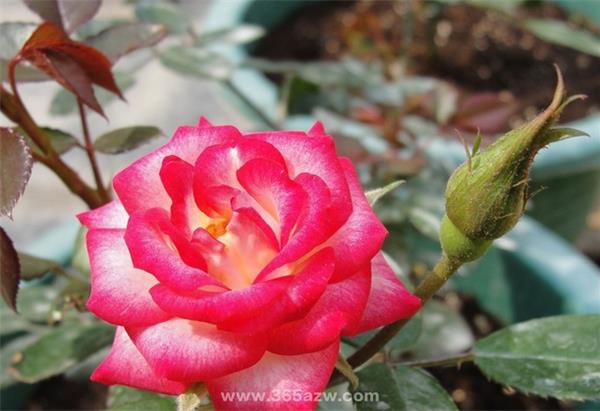
What Are Potted Roses Like
Pot
This refers to choosing pots and repotting. For potting, earthen pots are best, and the pot diameter should match the size of the plant. When using pots, old pots must be washed clean, and new pots should be soaked with water before use. When the plant keeps growing until the roots have filled the original pot, you should repot it into a larger pot during the dormant period to replace the original pot, so as to meet the needs of continued root development. After small seedlings that have taken root grow bigger, they should also be moved from small pots into large pots, preferably repotting once a year.
Soil
The growing medium needed for potting uses 50% garden soil, mixed with 30% decomposed garbage soil and 10%-20% coarse chaff ash. For every 500 grams of soil, add 10-15 kg of decomposed compost or cake fertilizer. When repotting, also replace it with fresh growing medium.
Water
This means watering. Water is the lifeline of plant growth; too much or too little will affect growth. In particular, watering potted roses must be properly adjusted according to need, and the amount of watering should be controlled according to seasonal changes and the plant's water consumption as it grows. In spring, when temperatures are low and the plant has just grown leaves, the water requirement is small, so watering once every 3-5 days is enough. In hot summer, water 1-2 times a day (except on rainy days), watering thoroughly. Especially during bud formation and the flowering period, the water supply must not be lacking. After flowering, during dormancy, the amount of water should be reduced. In the rainy season, do not let water accumulate.
Fertilizer
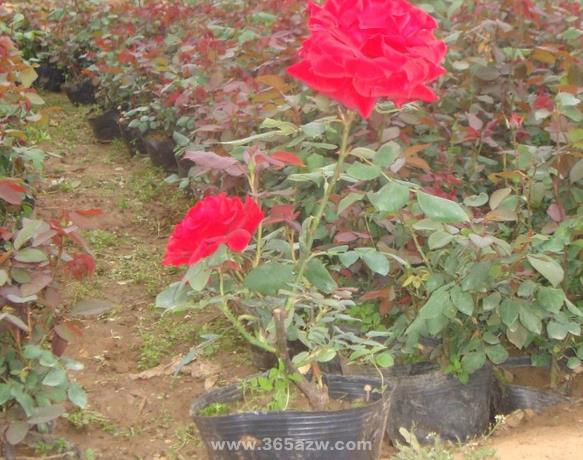
Roses like fertilizer. This flower grows fast and blooms abundantly, and also consumes a lot of nutrients, so fertilizing is an important part of growing roses well. Potted roses must be given sufficient base fertilizer. Under normal circumstances, apply a light fertilizer once every 7-10 days, so that the leaves remain dark green and glossy. Before flower buds appear, a thicker liquid fertilizer such as sauce residue water can be applied to meet the needs of flowering. For ordinary fertilizing, grasp the principle of small amounts and frequent applications. Whether to continue topdressing in the height of summer depends on the plant's growth condition: if growth is vigorous, topdressing can continue; if growth is weak, the flowers are thin and small, and the plant is in a semi-dormant state, fertilizing should be stopped.
Light
Although roses like sunlight, in hot summer you should find a way to block direct strong light, preferably placing them in shade around noon, so that they can receive morning and evening sunlight. After repotting, place them in a cool place, avoid direct sunlight, and after a week move them to a ventilated, sunny place.
Pests and Diseases
This refers to pests and diseases. In the rainy seasons of spring and autumn, the leaves are prone to black spot disease and powdery mildew. Once discovered, you can spray with a 1000-fold solution of 70% wettable thiophanate powder for control, or use cotton dipped in alcohol to wipe the front and back of the leaves and the leaf stalks for control. The main pests are aphids and red spiders, both of which can be controlled by spraying with 40% dimethoate emulsifiable concentrate diluted 1500 times with water.
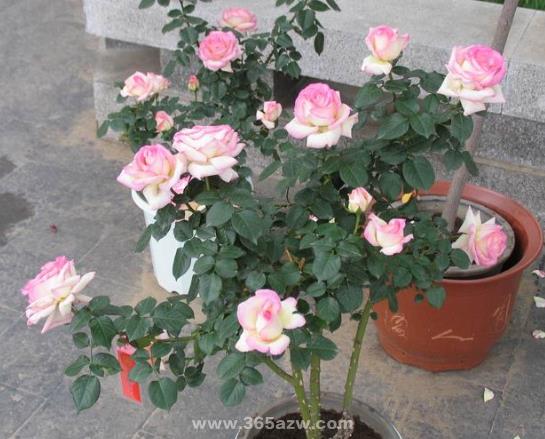
Notes on Growing Potted Roses
1. During the growing period, topdressing fertilizer should be the main approach, and the principle of fertilizing should always be grasped. In addition, note that under no circumstances should undiluted fertilizer water be poured directly into the pot.
2. When fertilizing roses, first loosen the soil, then fertilize when the soil is slightly dry. Note that fertilizing should be done on a sunny day. Fertilizing mainly means applying organic fertilizer.
3. When fertilizing, pour it along the edge of the flower pot, and it is best not to touch the stems and leaves. On the second day after fertilizing, water again to prevent excess fertilizer.
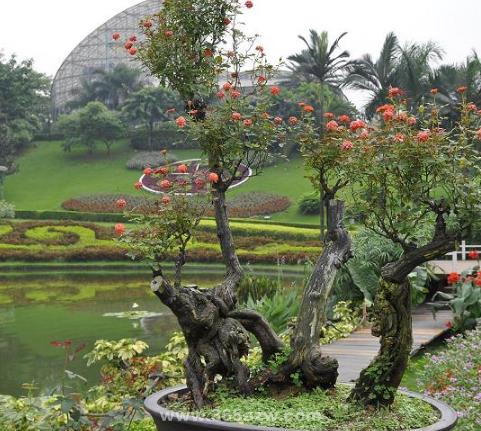
The above is an introduction to how to grow potted roses. I hope you enjoy it.