Detailed Explanation of Key Cultivation Techniques for Cut Rose
Roses are extremely popular plants, and there are now numerous rose varieties. Next, let us introduce cut roses to you.
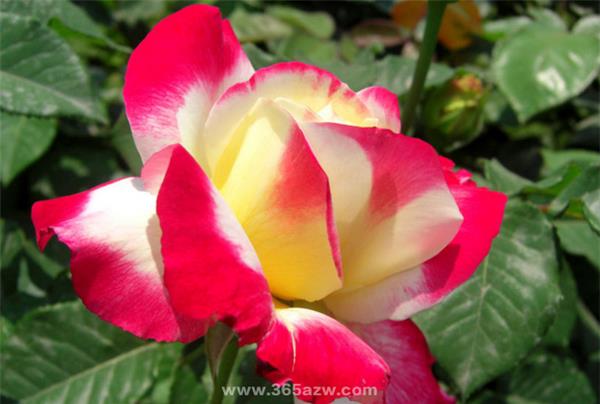
Characteristics of Cut Roses
Cut rose is also known as rose and fresh-cut rose. It is a shrub of the genus Rosa in the Rosaceae family. The leaves are alternate, odd-pinnately compound, with a smooth, glossy surface. Flowers are solitary at the top of the stem, double-petaled, with rich flower shapes and colors. The flower shape is elegant, mostly high-centered with rolled edges, opens slowly, and holds well in the vase. It prefers a warm, humid environment with ample light. The optimum growth temperature is 15-25°C. It requires loose, fertile, moist soil with good drainage. A pH of 6-7 is suitable. The optimum growth temperature is 20-27°C during the day and 15-22°C at night. It can also grow slowly at around 5°C, but grows poorly above 30°C or below 5°C, entering a semi-dormant state. It is a heavy feeder, tolerant of drought but intolerant of waterlogging. Air pollution will hinder the growth and development of cut flowers.
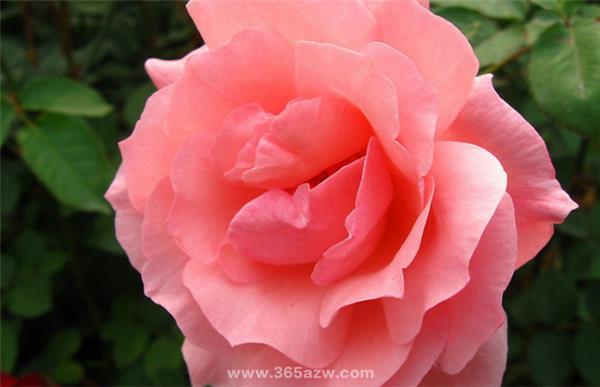
Cut Rose Varieties
Juliet, bred by David Austin, category: shrub, flower: its beautiful soft peach-colored rosette blooms always emit a warm and romantic feeling, repeating bloom in multiple seasons.
Patience, the fragrance is a charming old rose fruit scent with elements of clove and myrrh. The perfume of this variety is quite strong at first but gradually fades. The flowers are creamy yellow, flat, medium-sized with ruffled petals. Over time, the flowers gradually pale, especially in bright sunlight, almost becoming white. The overall effect is pure and concise.
Keira, commercial alias: AUSboxer, bred: before 2012, by David C. H. Austin (David Austin) in the UK, type: cut rose.
Darcey, bred by David Austin as a new cut rose, category: shrub, flower: wine-red blooms with golden stamens, cup-shaped flower form, repeating bloom in multiple seasons.
Cut Rose Cultivation Techniques
Netting Support
When plants grow to a certain height, flowering branches tend to lodge or bend. Some varieties have a wide branching angle. Netting should be set up on both sides of the ridge. The net width depends on the ridge surface; generally the net mesh should be 18.5 x 18.5 cm. Poles are erected at both ends, 1.8 m to 2.3 m high. Nylon rope is used on both sides to thread through the mesh alternately, and both ends are pulled tight to spread the net, which can be moved up and down.
Ground Cover
Covering the ground with rice straw, wheat straw, sawdust, cottonseed hulls, etc. can inhibit soil moisture evaporation, reduce the number of irrigations, weaken surface erosion, supplement CO2 sources, and buffer temperature and humidity.
Watering
Drip irrigation is best. If a hose is used for watering, the nozzle should be kept close to the ground surface, spraying at medium pressure, and try not to wet the leaves.
Fertilization
Cut roses have a relatively high fertilizer demand, mainly organic fertilizer (base fertilizer). In addition, some chemical fertilizer needs to be applied to supplement the deficiency of mineral elements in organic fertilizer, especially potassium fertilizer. Generally, it is applied supplementally with each watering, such as KH2PO4, or it can be mixed into a liquid fertilizer for topdressing. The concentration is generally 1%-2% for root application and 0.1%-0.2% for foliar spraying. When entering the growing period, phosphorus and potassium fertilizer should be increased, and nitrogen fertilizer reduced.
The above is an introduction to cut roses. We hope you enjoy it.