What are the characteristics of Chinese rose? A comprehensive analysis of its main features
Nowadays people pursue a quality home life, and plants are very common in the home. Next, let us introduce the Chinese rose to you.
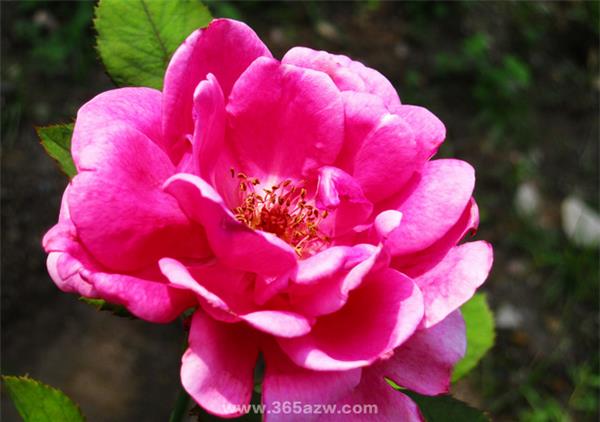
Characteristics of Chinese rose
1. It has strong cold resistance and can tolerate low temperatures of -15 degrees;
2. The flowers are mostly rather small and delicate, and the petals are generally 5 in number;
3. It has a sweet scent, and the thorns on the branches are few and large, easy to see;
4. This is also the greatest characteristic of the Chinese rose: it blooms in all four seasons, so people call it the "queen of flowers," and its flower language is also the happiness of enduringly beautiful love. Su Dongpo even wrote a poem praising its blooming in all four seasons: "Flowers fall and flowers bloom without interruption, spring comes and spring goes without concern. The peony is most prized only in late spring, the herbaceous peony is abundant only in early summer. Only this flower blooms tirelessly, occupying the spring of all four seasons year after year."
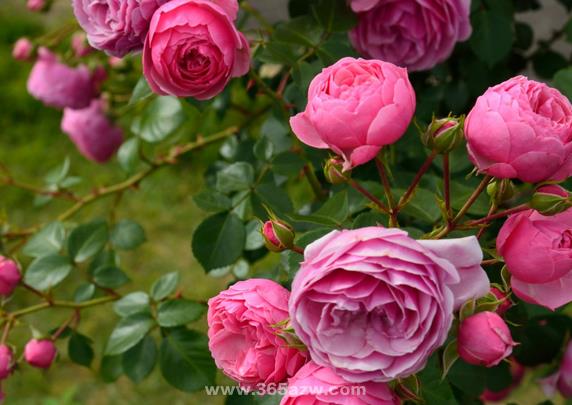
Morphology of the Chinese rose
1. Flower: The flowers are borne at the top of the stem, either solitary or clustered. There are single, semi-double (half-double), and double forms; the flower colors are rich and the flower shapes are diverse.
2. Fruit: The fruit of the Chinese rose is spherical or pear-shaped, green before maturity and orange-red when mature. It contains 5-14 bony achenes (seeds).
3. Seed: The outer layer of the Chinese rose seed is the pericarp. The pericarp has inner and outer layers; the outer layer is a bony layer and is very hard; the inner layer is a fibrous layer, with fibers interwoven vertically and horizontally and very strong toughness. The seed coat is a very thin membranous layer that tightly wraps the embryo. There is a certain gap between the pericarp and the seed coat.
4. Leaf: It is an odd-pinnate compound leaf; the leaflets are 3-7 in number, ovate or oblong; the leaf margins are serrated, and the leaf surfaces of most cultivars are smooth and glossy (some cultivars are rough and lusterless). In most cultivars, the newly unfolding leaves are purplish red and gradually turn green afterward.
5. Stem: The young stem of the Chinese rose is purplish red, the tender stem is green, and the old stem is grayish brown; the stem bears sharp and upright thorns, and the density of the thorns varies by cultivar.
6. Root: The morphology of the Chinese rose root system is closely related to the propagation method. Seedlings have obvious taproots and strong lateral roots; seedlings propagated by cuttings have only lateral roots and no taproot, and the number of lateral roots is relatively small, with poorer vitality.
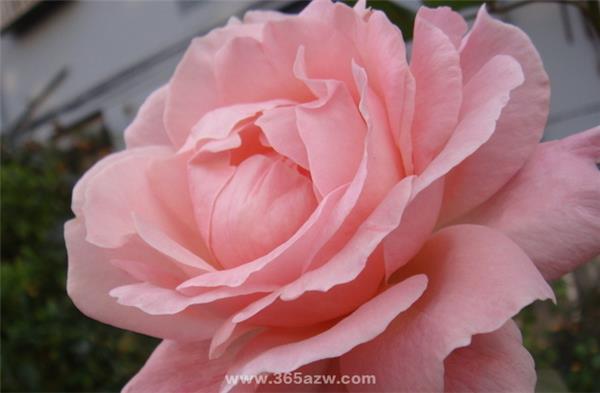
Efficacy and effects of Chinese rose
The Chinese rose does not have only one name; it can also be called Yueyuehong or Yueyuehua. The Chinese rose can also be used in ordinary times, especially by women, because the Chinese rose can regulate symptoms such as pale and scanty menstruation during the menstrual period and abdominal pain during the menstrual period. The main effects of the Chinese rose are clearing damp-heat from the stomach and intestines, promoting menstruation and invigorating blood to remove blood stasis, purging lung fire, relieving cough, stopping bleeding and relieving pain, eliminating viruses, and treating lung deficiency, cough, dysentery, carbuncles and swollen toxins, and irregular menstruation in women.
The range of effects of the Chinese rose is somewhat broad, and it is suitable to be taken for many adverse symptoms. The editor reminds you that the Chinese rose does not necessarily have to be eaten only when symptoms suddenly appear; it can also be eaten as Chinese rose porridge in ordinary times. First, Chinese rose porridge is a beauty recipe; second, it also has a great effect on treating irregular menstruation.
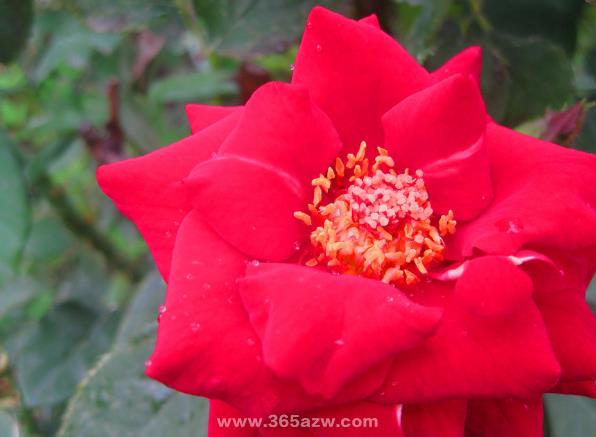
The above is an introduction to the characteristics of the Chinese rose. I hope you will like it.