A Complete Guide to Pruning and Daily Care for the Jade Plant
The jade plant's vivid green is like that of a verdant jade tree, and its delicate leaves look as if they have been carefully pruned by hand, making one marvel at nature's exquisite craftsmanship. But as everyone knows, in real life our jade plants need us to prune them ourselves. So what are the pruning methods for the jade plant, and how do you care for it? Let's take a look together at the pruning and growing methods for the jade plant.
More Home Plant Growing: Pitcher Plant Growing Methods, Gardenia Growing Methods, Money Tree Growing Methods
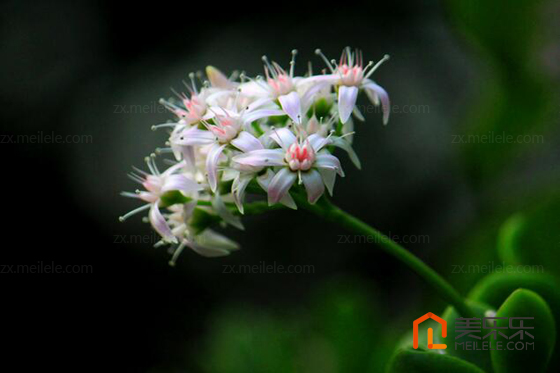
Introduction to the Jade Plant
The jade plant, also called the Crassula tree or succulent evergreen, is an evergreen small shrub in the genus Crassula of the family Crassulaceae. The plant grows about 1 to 3 m tall, is native to southern Africa, and looks extremely fresh and green. The jade plant has high ornamental value and is one of the household ornamental plants people love most today; its crown is upright and elegant, and its branches and leaves are green and fleshy, making it look very clear, elegant and distinctive. Paired with a delicate flower pot to make a plant bonsai, its decorative quality is even better. Grown indoors, it has both a greening effect and a decorative effect, achieving two things at once.
Pruning Methods for the Jade Plant
The jade plant is the same as ordinary plants: it needs pruning at certain times. Especially when the jade plant is used as an ornamental plant, a graceful tree shape and soft posture are essential. So how exactly should the jade plant be pruned?
1. Shortening in the dormant period
From late December each year to January of the following year, the jade plant needs appropriate shortening when pruned, keeping branches at about 10 to 25 cm, with a suitable mix of long and short branches. At the same time, remove all excess dry branches, diseased and pest-infested branches, and leggy branches from the plant, so that the jade plant's flowering branches look thicker and stronger.
2. Shortening after flowering
The jade plant is capable of flowering, and its flowers are quite beautiful. However, note that the jade plant needs timely pruning one or two weeks after flowering, keeping about 4 to 10 buds and thinning out overly dense and useless branches. Then in June of summer, when setting buds, simply cut off the remaining buds.
3. Thinning in winter
After the jade plant enters winter, its growth rate gradually slows down. From December to February of the following year, overly tall and overly long branches need to be cut back and thinned. Remove the dry branches, diseased and pest-infested branches, and damaged branches on the plant one by one, keeping the longer branches, so that the jade plant maintains an almost natural shape.
Daily Care for Growing the Jade Plant
For the jade plant to grow well, it ultimately needs careful attention from people. So how do you care for the jade plant, what are the growing methods, and what should everyone pay attention to in daily management?
1. Light and temperature
The suitable growing temperature for the jade plant is about 20 to 30 degrees, and it is particularly adaptable to both high and low temperatures. In summer's high temperatures it needs appropriate shading, while avoiding direct sunlight; if the temperature exceeds 38 degrees, it may enter dormancy. In winter, pay attention to keeping it warm, keeping the indoor temperature at about 7 to 10 degrees; during the day it is best placed in a sunny spot, and if the temperature is below 10 degrees it will die.
2. Watering and fertilizing
The jade plant's demand for fertilizer and water is relatively high. During the growing season it should be watered once every 2 to 3 days; water thoroughly but do not let water accumulate. In summer, when water evaporates quickly, appropriately increase the water, while in winter reduce watering. For fertilizing, fertilizing 2 to 3 times a month is enough; note that too much fertilizer is not good, otherwise with excess nutrients the tree shape will not be graceful.
3. Pest and disease control
The jade plant does not have particularly many pests and diseases. What is worth noting is the harm from leaf spot disease, anthracnose, scale insects, and brown soft scale, among others. The causes and conditions of various pests and diseases differ, so everyone needs to treat the root cause; just take specific measures for specific problems.
Summary: The jade plant is a very elegant and natural ornamental plant, and growing it indoors is a very good thing. However, like other ornamental plants, everyone must remember to prune the jade plant at the necessary times, otherwise the jade plant will not be beautiful.
(Note: This article is an original article from Meilele Decoration Network. Reproduction is prohibited without permission. Malicious reproduction will be pursued legally. If you like it, share it generously.)
[You May Be Interested In]
☑ Rosemary pictures ☑ Carnation prices ☑ Sempervivum pictures ☑ Mattress price list ☑ Bamboo pictures
☑ Wintersweet pictures ☑ Wholesale cross-stitch ☑ Finished cross-stitch ☑ Cross-stitch patterns ☑ Home decorative paintings