How to Propagate Cymbidium goeringii: A Step-by-Step Guide to Propagating Cymbidium goeringii
Cymbidium goeringii has elegant leaves, unusual flower shapes, and a captivating fragrance. It is a very precious potted ornamental flowering plant. Placed in a living room or other home space, it makes the home look elegant and refined. Below, let's look at how to propagate Cymbidium goeringii:
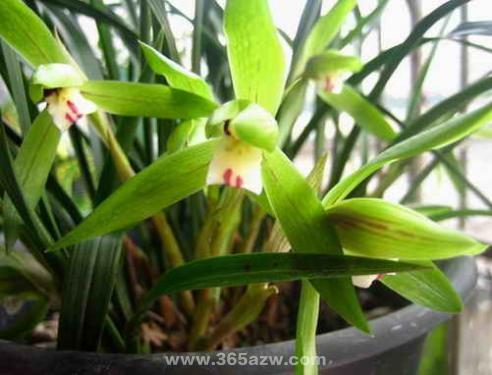
How to Propagate Cymbidium goeringii: A Step-by-Step Guide to Propagating Cymbidium goeringii
How is Cymbidium goeringii propagated?
1. Seed propagation method for Cymbidium goeringii
Cymbidium goeringii can be propagated by sowing. The seeds of Cymbidium goeringii are extremely fine. After collecting the seeds, they should be sown immediately. The method is that, under sterile conditions, the seeds must be sown into a pre-prepared orchid-specific culture medium. Before sowing, soak the seeds in hydrogen peroxide for 15-20 minutes to disinfect them. Then place the culture bottles containing the medium in an incubator at 20-25°C and 60%-70% humidity. After 3 months, the seeds sprout one after another. When the seedlings have grown 2-3 small leaves in the culture bottle, transplant them from the bottle into sterilized peat moss for cultivation. After the orchid seedlings grow strong, transplant them into small pots.
2. Division propagation method for Cymbidium goeringii
Cymbidium goeringii can also be propagated by division. For a period before division, water should be controlled, keeping the potting soil only moist. At this time, the roots of Cymbidium goeringii are relatively soft, which can prevent the roots from breaking when the plant is taken out of the pot. For division, choose a robust mother plant. Generally, 7-10 pseudobulbs per clump of Cymbidium goeringii is suitable. When taking the selected mother plant out of the pot, gently remove the orchid plant from the pot, lay the mud ball on its side or set it flat on the ground, remove the soil from the roots, and carefully trim away dead leaves and rotted roots with scissors. During operation, the scissors should cut horizontally, not vertically, to avoid damaging healthy roots, leaves, and young buds. After trimming, use a small brush and clean water to wash the soil from the pseudobulbs and roots. Do not brush too forcefully, so as not to damage the roots and buds. Then disinfect with a 40% thiophanate-methyl or chlorothalonil 800-fold solution, and place in a cool place to dry. When the roots turn white and soft, use scissors to cut open between the pseudobulbs (commonly called the "road"), apply charcoal to the cut surface to help prevent rot, and then plant in a pot.