Cold Damage Treatment for Dieffenbachia: Experts Teach You How to Analyze and Solve It
Dieffenbachia is one of our common household foliage plants, often placed in living rooms, studies and other places, creating a quiet and elegant indoor environment. Dieffenbachia can suffer cold damage in relatively low-temperature environments. Below we will look at how to handle cold damage in Dieffenbachia:
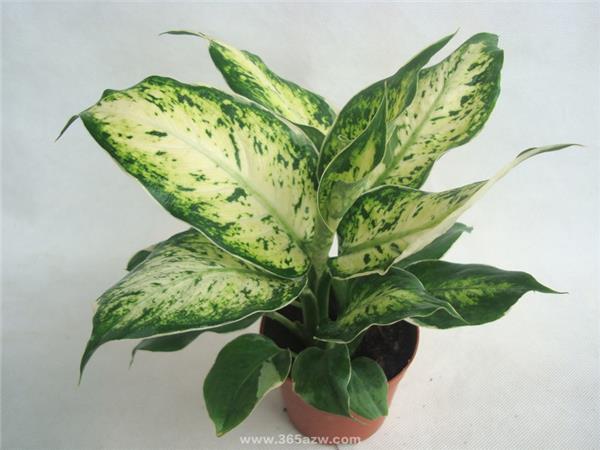
Cold damage treatment for Dieffenbachia:
Dieffenbachia is not cold-tolerant. Its most suitable growing temperature is 25-30°C. When the winter temperature falls below 5°C, Dieffenbachia is highly susceptible to cold damage, and if not treated promptly, it can die.
Cold damage treatment for Dieffenbachia: 1. Very mild cold damage
The leaf surface loses its proper gloss, and the leaves droop as if dehydrated. At this point, move the Dieffenbachia to a warmer place so it gradually returns to normal. Note that the temperature must not rise suddenly after the damage, to avoid the leaves wilting.
Cold damage treatment for Dieffenbachia: 2. Mild cold damage
In addition to drooping, the leaves develop frostbite patches that look like scalding from boiling water. When treating, cut away the cold-damaged patches on the leaves and move the plant to a warm place.
Cold damage treatment for Dieffenbachia: 3. Moderate cold damage
Most of the leaves show cold-damage spots, and the petioles develop water-soaked patches and lose their green color. At this point, cut off the leaves together with the petioles, apply plant ash or coal ash to the wounds, then place the plant in a warm place, control watering appropriately, and let it slowly return to normal.
Cold damage treatment for Dieffenbachia: 4. Severe cold damage
The young shoots and new leaves lose their green color and show water-soaked patches, and the underground root system is frozen and rots. The plant should be dug up promptly, the underground part removed, and the damaged branches and stems cut off. After applying plant ash to the wounds, store it in moist plain sand, and carry out cuttings after spring begins. If severe cold damage occurs and disease spots appear on the entire plant, then the hope of saving it is very slim, and you should consider replacing the plant.
Placing Dieffenbachia in the home gives a feeling of elegance and comfort, but attention must be paid to temperature. Dieffenbachia is not cold-tolerant, and too low a temperature will cause cold damage. That is all for the treatment methods for cold damage in Dieffenbachia, and we hope it is helpful to everyone.