What are the uses of copper coin grass? A detailed introduction to its practical benefits
The roots, stems and leaves of copper coin grass can be used as a vegetable in cooking; they can also be used as a Chinese medicinal herb to dispel wind, firm the intestines, improve eyesight and clear summer heat.
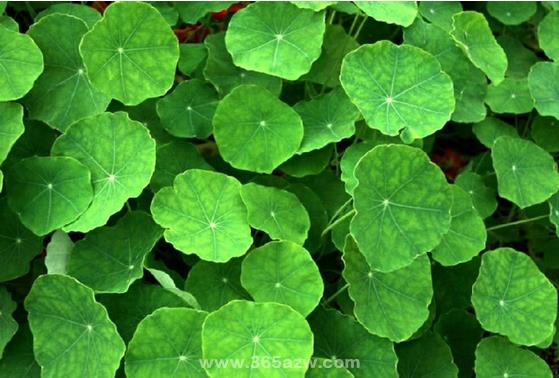
Medicinal parts: the whole plant can be used as medicine and has a diuretic effect.
Harvest time: collected in summer and autumn.
Properties: slightly cold in nature, bitter and pungent in taste; clears heat and removes dampness, detoxifies and promotes urination. Other names: beng da wan, horse-hoof grass, gotu kola, bloodworm shell grass, copper coin grass, luo de da.
Preparation: remove impurities, wash clean, cut into sections, and dry in the sun.
Characteristics: this product is often curled into a ball. The root is cylindrical, 2-4 cm long, 1-1.5 mm in diameter, with a pale yellow or grayish-yellow surface. The stem is slender and curved, yellow-brown, with fine longitudinal wrinkles, and fibrous roots often grow at the nodes. The leaves are mostly shrunken and broken; when complete and flattened out they are nearly round or kidney-shaped, 1-4 cm in diameter, grayish-green, with coarse blunt teeth along the edges; the petiole is 3-6 cm long and twisted. The umbel is axillary and short. The schizocarp is flat and round, with clearly raised longitudinal ridges and fine reticulate veins, and the fruit stalk is very short. The odor is slight and the taste is bland.
Tested recipes:
1. Exogenous summerheat and nasopharynx: appropriate amounts of centella, eclipta, and sweet wormwood (all fresh), pound together to extract the juice, and take it mixed with cool boiled water.
2. Exogenous wind-heat: 60 grams of fresh centella and 4 white-necked earthworms, pound together, decoct in water and take the juice, divided into 3 doses per day.
Nature, flavor and meridian entry: bitter, pungent, cold. Enters the liver, spleen and kidney meridians.
Functions and indications: clears heat and drains dampness, detoxifies and reduces swelling. Used for damp-heat jaundice, heatstroke diarrhea, strangury from urinary stones and bloody strangury, carbuncles, swellings and sores, and traumatic injuries.
Usage and dosage: 15-30 g; double the amount for fresh product. Storage: place in a dry place.