Crape Myrtle Planting: A Step-by-Step Guide to Growing Crape Myrtle
Crape myrtle is a common flowering plant, usually grown in courtyards, on balconies and similar places; when grown in pots it takes somewhat longer, so let's take a look at how to grow crape myrtle:
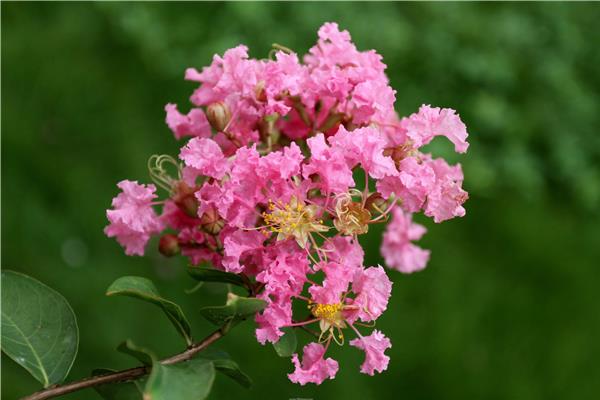
Basic information about crape myrtle:
Crape myrtle, also known as zinv, mantanghong, itch tree and so on, is a deciduous tree that can reach 10 m in height, with white, red, purple and other flower colors and a long blooming period. Crape myrtle grows slowly, lives long and is easy to shape, making it suitable for garden planting; it also has a certain air-purifying effect.
Crape myrtle has characteristics such as slow growth, long life, tolerance of pruning, thick trunks with pliable branches, round leaves with exposed roots, easy healing between branches and great ease of shaping, making it a good material for bonsai; it can also be used as a cut flower, lasting a long time in a vase, and is suitable for garden planting.
How to grow crape myrtle:
1. Soil: Crape myrtle is vigorous and easy to cultivate, with no strict soil requirements, but it grows best when planted in deep, fertile sandy loam.
2. Sunlight: Crape myrtle likes light, so it should be planted in a wind-sheltered, sunny spot or at the foot of a south-facing courtyard wall; insufficient light not only means fewer flowers or no flowers, but can even cause weak growth with thin branches and small leaves.
3. Watering: Crape myrtle is drought-tolerant and afraid of waterlogging; each year you can water once with a spring green-up watering before growth starts in spring and once with a winter watering after leaf fall in autumn. At ordinary times, if it is not too dry, there is no need to water; in the rainy season, drainage should be done well to prevent root rot from too much water.
4. Fertilizing: Crape myrtle can be fertilized each year after leaf fall in winter and before growth starts in spring; using human night soil or sesame paste residue is even better, as it can make the plant grow vigorously the following year with large, brightly colored flowers.
5. Pruning: Crape myrtle is generally pruned after leaf fall in autumn; you should cut off water sprouts, dead branches, drooping branches, diseased and pest-damaged branches, slender branches and inward-growing branches. During the young tree stage, you should also promptly cut off the side branches on the lower part of the main trunk so that the upper part of the trunk can receive sufficient nutrients and form a good crown.
6. Pests: During the growing season, crape myrtle is susceptible to aphids, scale insects, stinging moths and leaf-rolling moths. If they occur, you can use 1000-times diluted dimethoate emulsifiable concentrate to spray and kill scale insects and aphids, and 80% dichlorvos emulsifiable concentrate at 1500-times dilution to spray and kill stinging moths and leaf-rolling moths.
Crape myrtle has gorgeous flower colors and is very brilliant when in bloom; it is very suitable for planting in courtyards and other places, and there are also potted crape myrtles used to accent indoor spaces, though they take somewhat longer to grow. That is all for how to grow crape myrtle; I hope it is helpful to everyone.