Differences Between Alocasia and Calla Lily: How to Tell Them Apart Correctly
Alocasia is a common ornamental plant that is also very widespread in home decor. Below, let's look at what Alocasia is specifically used for:
Uses of Alocasia:
Uses of Alocasia: 1. Beautifying the home
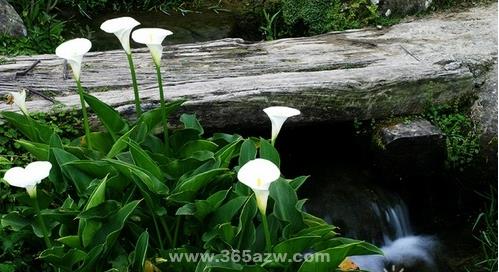
Alocasia's leaf shape and colors are both very beautiful, with broad, emerald-green leaves and pure white flowers. Set off against each other, they appear very elegant and natural, offering relatively high ornamental value, and they are also suitable for placement in the home for decoration and beautification.
Uses of Alocasia: 2. Medicinal use
Alocasia can be used as medicine. Its rhizome is a stomachic, effective for abdominal pain, cholera, hernia, and other conditions, and can also treat pulmonary tuberculosis, rheumatoid arthritis, colds, influenza, typhoid fever, cancer-related swellings and toxic sores, snake and insect bites, and scalds and burns. Mixed with kerosene for external application, it can treat neurodermatitis. Veterinarians use the stem to treat cattle colds and swine erysipelas. It has relatively high medicinal value.
Uses of Alocasia: 3. Gift-giving
Alocasia is also a very good floral gift. Alocasia's appearance is simple and pure, and the white Alocasia is especially fresh and delicate. White Alocasia given to classmates and friends carries the flower meaning "youthful vitality"; yellow Alocasia given to close friends carries the flower meaning "noble friendship"; orange-red Alocasia symbolizes love, so give it to the person you admire, because its flower meaning is "I like you."
Alocasia is a plant we love, often used to decorate and beautify the home. Its broad, emerald-green leaves also give a feeling of vitality, filling the home with a natural sense of comfort.