What to Do When Chrysanthemum Leaves Turn Yellow? Five Solutions
Chrysanthemums come in many varieties and beautiful colors, making them excellent ornamental flowers and one of the most favored flower varieties. However, if you are not careful with their care, chrysanthemum leaves can turn yellow, which lowers their ornamental value. Below, let us look at the causes of yellowing chrysanthemum leaves and how to solve them:
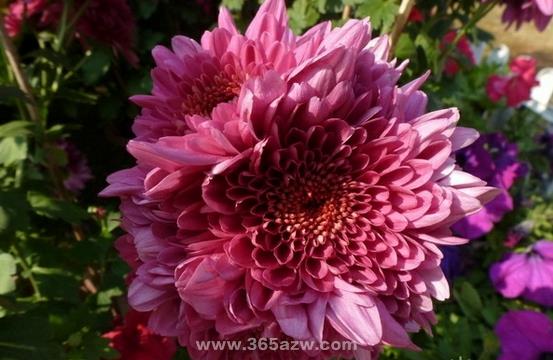
What to do when chrysanthemum leaves turn yellow?
1. Soil on the alkaline side
Chrysanthemums prefer fertile, highly permeable, slightly acidic soil. Soil with a pH above 7.5 can easily cause lower leaves to drop or the whole plant's leaves to turn yellow. Solution: regularly water with fermented rice-washing water or rainwater.
2. Too much watering
Watering too much causes waterlogging in the soil, poor aeration and even partial rotting of the fibrous roots, showing up as dull yellow, lusterless young chrysanthemum leaves and shriveled new shoots. Solution: water chrysanthemums on the principle of watering when the potting soil is dry, not watering when it is not dry, and watering thoroughly when you do. In the hot summer, the potting soil dries easily, so water thoroughly, but do not water at noon; water enough in the morning, and if the potting soil is dry at dusk, water once more. After rain, tip the pot to drain off excess water. When watering, prevent mud from splashing onto the leaves.
3. Too little watering
When chrysanthemums have not been watered thoroughly or have been dehydrated for a long time, the new leaves keep a normal color, but the lower leaves gradually dry, yellow and drop off, becoming aged. Solution: chrysanthemums need plenty of water during the growing period; when the potting soil is dry, water once more, but be careful not to water when the midday sun is at its strongest.
4. Too much fertilizer
Applying too much fertilizer to chrysanthemums can also cause leaves to turn yellow. Solution: with chrysanthemum fertilizing, master the principle of light fertilizer applied frequently; once flower buds appear, it can be slightly stronger. For topdressing, use 2 parts decomposed soybean cake or sesame oil residue plus 8 parts clear water, applied once every 7 to 10 days. After buds form, use 1 part fertilizer plus 3 parts water, mixed with a small amount of potassium dihydrogen phosphate for topdressing. After applying, promptly rinse the fertilizer solution off the leaves with clear water.
5. Damage from leaf blight
Infection by leaf blight is one cause of chrysanthemum leaves turning yellow and withering, mainly harming the flowers and leaves of chrysanthemums. Solution: spray once every 15 days with a 500-fold dilution of wettable amobam or zineb.
Chrysanthemums are a widely used flower; whether in the home, courtyard or other places, displaying chrysanthemums for ornament is very common. However, the level of their ornamental value requires attention in care, and yellowing chrysanthemum leaves lower their ornamental value, so everyone should pay attention to the five solutions above for yellowing chrysanthemum leaves.