What are the benefits and effects of Sha shen (Glehnia root) and Yu zhu (Solomon's seal)? It is most suitable for making soup
Sha shen, also known as Nan sha shen, Pao shen, and Pao sha shen, clears heat and nourishes yin, moistens the lungs and stops coughing. It mainly treats bronchitis, whooping cough, cough due to lung heat, and coughing up thick yellow phlegm. Yu zhu has the effects of nourishing yin and moistening dryness, and promoting body fluid production and quenching thirst! Clinically it can be used for dry cough; consumptive cough; dry throat and thirst from damage to yin fluids in febrile diseases; internal heat with wasting-thirst; yin deficiency with external contraction; dizziness and vertigo; and spasmodic pain of the sinews and vessels. So, what exactly are the benefits and effects of Sha shen and Yu zhu respectively?
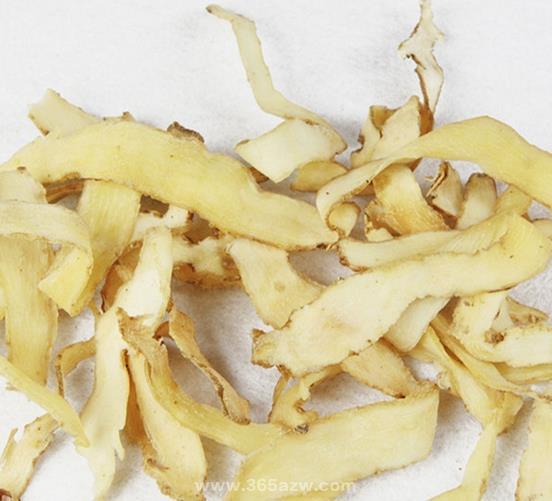
I. The benefits and effects of Sha shen
1. Effects on immune function: It indicates that Sha shen can enhance the body's cellular immunity and nonspecific immunity, and inhibit humoral immunity. It has the function of regulating immune balance. Sha shen can also increase the lymphocyte transformation rate.
2. Expectorant effect: Administering Sha shen decoction to rabbits by gavage at a dose of 1g/kg shows a certain expectorant effect, and its effect can last for more than 4 hours, but its strength is not as good as Zi hua and others.
3. Antifungal effect: Sha shen water infusion (1:2) has varying degrees of inhibitory effect in test tubes on skin fungi such as Microsporum audouinii and Microsporum lanosum.
4. Cardiotonic effect: 1% Sha shen infusion has a clear cardiotonic effect on the isolated toad heart, increasing the amplitude of the isolated heart, and the effect can last for 5 minutes.
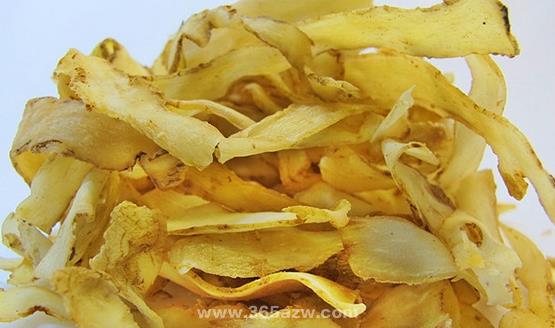
II. The benefits and effects of Yu zhu
1. Yu zhu is sweet in flavor and rich in fat, soft and moist in nature, and is a good medicine for nourishing yin and promoting body fluid production. The vitamin A contained in Yu zhu improves dry, cracked, and rough skin conditions, making it soft and smooth. It has a beauty and skin care effect.
2. The steroidal saponins contained in Yu zhu have an effect on the myocardium similar to lily of the valley preparations. Yu zhu glycosides have a cardiotonic effect on the isolated frog heart, and the effect of Yu zhu decoction is similar to that of Yu zhu glycosides.
3. Intraperitoneal injection of Yu zhu extract can enhance the phagocytic action of peritoneal macrophages in burned mice, increase the level of serum hemolysin antibodies, and improve the proliferative response of splenic lymphocytes to ConA.
III. Sha shen, Yu zhu, and old duck soup
Ingredient preparation: Bei sha shen, Yu zhu, old duck
Production steps:
1. Clean Bei sha shen and Yu zhu with clean water. Drain Bei sha shen and set aside. Soak Yu zhu in clean water for 30 minutes. Peel old ginger and cut into slices.
2. Wash the old duck, chop into large pieces; one duck is roughly chopped into 8 to 10 pieces. Wash the duck pieces with clean water and drain off the water.
3. Put the duck pieces into a soup pot, pour in enough clean water at one time, do not cover with a lid, heat over high heat, and skim off the foam after the water boils.
4. Cover with a lid, change to low heat and simmer for 30 minutes. After 30 minutes, turn off the heat and use a spoon to skim off the duck oil on the surface of the soup. Then add Bei sha shen, Yu zhu, and ginger slices, cover with the lid again, and continue simmering for 1 and a half hours. Add salt to taste before eating.
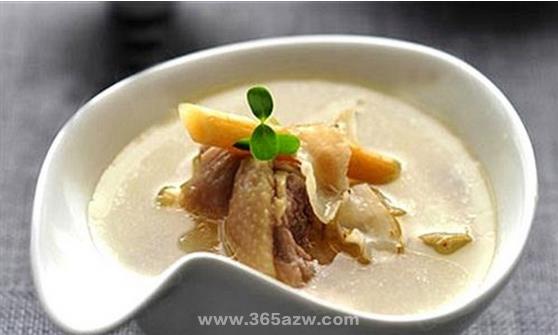
Duck meat is suitable for people with internal heat and excess fire in the body; it is even better for people with low fever, weak constitution, poor appetite, dry stools, and edema. It is also suitable for people with malnutrition, postpartum and post-illness weakness, night sweats, spermatorrhea, scant menstruation in women, and dry throat and thirst; it is also suitable for cancer patients and those after radiotherapy and chemotherapy, diabetes, cirrhotic ascites, pulmonary tuberculosis, and chronic nephritis with edema. However, for those with a constitution that is deficient and cold, loss of appetite caused by catching cold, cold and painful stomach. Diarrhea with clear watery stools, low back pain and cold-type dysmenorrhea, as well as obesity, arteriosclerosis, and chronic enteritis, it should be eaten sparingly; people with colds should not eat it.