The Benefits and Uses of Silk Tree Flowers and a Detailed Guide to Growing Them
I believe everyone is familiar with Empresses in the Palace; it has now become a hit drama. The popularity of Empresses in the Palace introduced everyone to a kind of flower, the silk tree flower. So how do you grow silk tree flowers, what is the flower language of the silk tree flower, and what are its benefits and uses? Let's find out:
Silk tree flower picture 1:
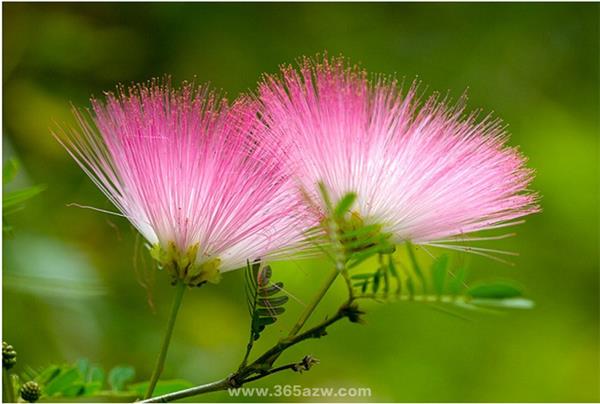
Basic information about the silk tree flower:
The silk tree flower (English name: Silktree Albizziae Flower), also called yehehuan, yeheshu, ronghuashu, niaorongshu, and kuqinghua, is the flower that grows on the silk tree, also known as the night-closing tree. The silk tree flower is a capitulum, shrunk into a ball, with slender filaments, mostly pink, and a faint fragrance. It is a urban street tree and ornamental tree. In the past there were only small-flowered varieties, but now there are already large and beautiful varieties.
Silk tree flower picture 2:
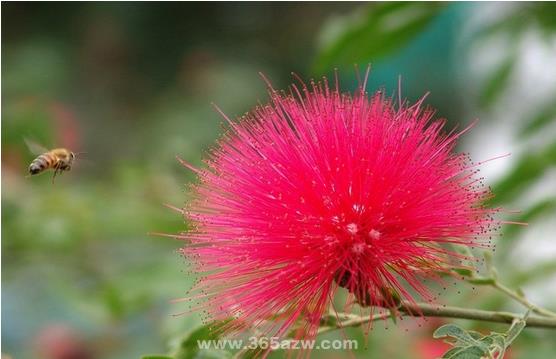
How to grow silk tree flowers:
Soil: The silk tree flower is not strict about soil, but fertile, moist, well-drained sandy loam and limestone soil are best.
Sunlight: The silk tree flower is a light-loving tree species and is slightly shade-tolerant, so during the growing period attention should be paid to providing sufficient sunlight, but when the summer light is too strong, shade should also be provided.
Watering: The silk tree flower is drought-tolerant and not tolerant of waterlogging. During care, do not water too much, so as to avoid waterlogging and damage to the root system.
Temperature: The silk tree flower likes a warm environment, but its cold resistance is very strong. In southern regions, it does not need to be moved into a greenhouse in winter.
Fertilizing: The silk tree flower can be managed extensively, and its requirements for water and fertilizer are not very high. Even in poor areas it may grow very vigorously. But note that it does not like noise or dust, so when growing it, you need to keep a good check on this.
Pests and diseases: The silk tree flower is mainly harmed by diseases such as canker, so when disease occurs, pesticides need to be sprayed. Generally, you can spray 800-1000 times dilution of Bijunsha, 2000-3000 times dilution of Penkejun, 800 times dilution of 50% Tuzinte, etc. Pests mainly include psyllids and longhorn beetles, etc., and 80% dichlorvos, etc. can be sprayed. For psyllids, 1500-2000 times dilution of 25% puchiling can be used.
Pruning: The silk tree flower has weak sprouting ability, sparse branches, and is not tolerant of pruning, so do not prune casually during the growing process.
Silk tree flower picture 3:
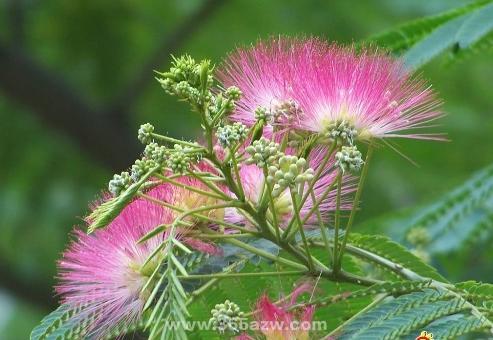
The flower language of the silk tree flower:
The flowers of the silk tree flower are like fine hairs growing on the buds, especially beautiful. The fine hairs are red, and the buds are white and green. The silk tree flower symbolizes eternal love, being paired together, and is a symbol of marital harmony. There is also a similarly named acacia. Every September, golden yellow acacia blooms everywhere in Australia, with fragrance spreading in all directions. Acacia is also designated as the national flower of Australia.
Silk tree flower picture 4:
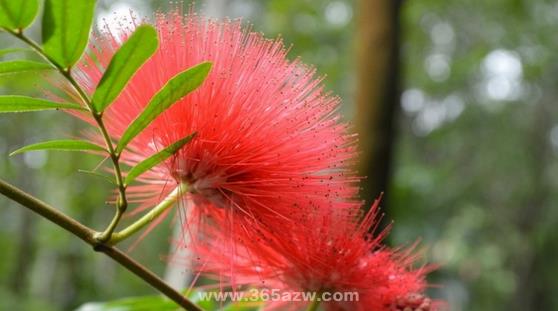
The benefits and uses of the silk tree flower:
The silk tree flower contains albizzia saponin and tannins. It relieves depression and calms the mind, nourishes yin and supplements yang, regulates qi and stimulates the appetite, activates collaterals and relieves pain, and is used for depression and insomnia. It treats chest tightness from qi stagnation, insomnia, forgetfulness, and wind-fire eye, can calm the five viscera, harmonize the mind, and improve complexion. It has relatively good effects in strengthening the body, sedating, calming the mind, and beautifying, and is also a fine product for treating neurasthenia. It also has effects such as clearing heat and relieving summer heat, nourishing the face, removing spots, and sobering up.
The heartwood of the silk tree flower tree is yellow-gray-brown, and the sapwood is yellow-white. The grain is relatively special and attractive, and the wood is solid and durable, mostly used for making furniture. In addition, the tender leaves of the silk tree flower can be eaten, and the old leaves can be used to wash clothes. The bark is generally used medicinally and has the effect of expelling parasites.