A Complete Analysis of the Benefits, Uses, and Contraindications of Raspberries
Many people know that raspberries are delicious and have medicinal properties, but they don't know exactly what benefits they offer. So today, let's take a look at the benefits and uses of raspberries, along with how to eat them and contraindications.
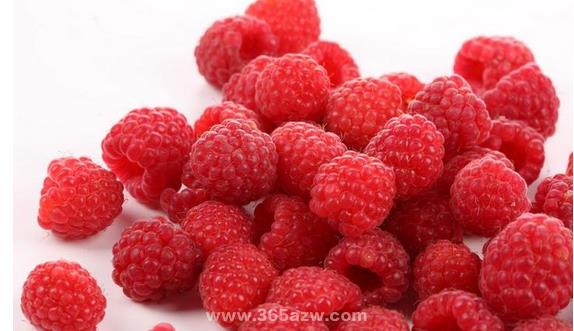
I. The Benefits and Uses of Raspberries
Raspberries are rich in organic acids, sugars, and a small amount of vitamin C. The fruit also contains triterpenoids, raspberry acid, ellagic acid, and beta-sitosterol.
Many ancient books record the benefits and uses of raspberries. For example, in Bencao Tongxuan: "The raspberry is sweet and neutral, entering the kidney. It raises yang and treats impotence, secures essence and controls urination. It strengthens the kidney without the bias of dryness and heat, and secures essence without the harm of causing stagnation. It is a precious commodity." In Bencao Jingshu: "As for the raspberry, its ability to boost qi means it boosts essential qi. The kidney stores essence and the kidney receives qi; when essential qi is abundant, the body feels light and the hair does not turn white. Su Gong states it supplements deficiency and continues the severed, strengthens yin and builds yang, beautifies the skin, and harmonizes the internal organs. Zhen Quan states it treats men with depleted kidney essence, impotence, and that women who eat it will bear children. Da Ming states it calms the five viscera, improves complexion, nourishes essential qi, grows hair, and strengthens the will. All of these take from its meaning of benefiting the kidney and adding essence, being sweet and sour with an astringent action." In Bencao Shu: "The raspberry, when used in prescriptions to treat conditions such as fatigue and consumptive disease, may tonify the original yang of the kidney, or benefit the yin qi of the kidney, or specifically nourish essence and blood. Whichever is appropriate as the main treatment, it can assist in each case." And so on.
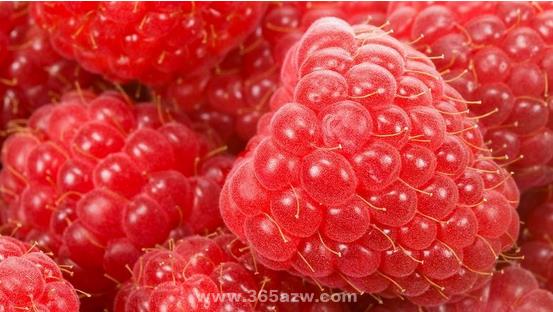
It can be seen that the main benefits of raspberries are benefiting the kidney, securing essence, and reducing urination. They are used for kidney deficiency with enuresis, frequent urination, impotence and premature ejaculation, and seminal emission and spermatorrhea.
In addition, raspberries also have the benefits of boosting brain function and intelligence, beautifying the skin, and preventing and treating cancer, because the antioxidants contained in raspberries can effectively prevent damage to the brain from free radicals and improve blood and oxygen supply to the brain, thereby achieving the effect of boosting brain function and intelligence. The flavonoids contained in raspberries, besides having antibacterial, anti-inflammatory, blood-pressure-lowering, and anti-allergic effects, are also highly capable in skincare and beauty. These substances can improve skin blood circulation, enhance the elasticity of skin capillaries, and promote skin cell regeneration, thereby exerting their beauty and skincare function. Furthermore, raspberries contain a component very beneficial to health - anthocyanins - which have the function of scavenging free radicals and preventing the occurrence of cancer.
Even more, raspberries are also a natural remedy for weight loss. Raspberries contain raspberry ketones, which can accelerate fat metabolism and burning. The effect is three times stronger than capsaicin, and speeds up fat metabolism and burning 5 times more than normal eating. Developed countries such as Japan mainly use them in cosmetics and weight-loss products, and the clinical effects are very obvious.
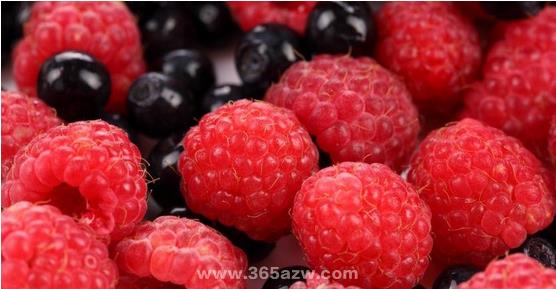
II. How to Eat Raspberries
Method One: Raspberry Congee
Ingredients: japonica rice, raspberries, honey.
Directions: First, rinse the japonica rice clean, soak it in cold water for half an hour, remove and drain the water. Wash the raspberries clean, wrap them in clean gauze, and tie the bag tightly. Then take a pot, add cold water and the raspberries, and boil for about 15 minutes. Remove the raspberries, add the japonica rice, bring to a boil over high heat, then turn to low heat and cook until the congee is done. Add honey and stir well, and it is ready.
Method Two: Three-Seed Walnut Meat Hair-Nourishing Soup
Ingredients: lean pork, glossy privet fruit (nuzhenzi), dodder seed (tusizi), dried raspberries, walnuts, plus ginger and salt to taste.
Directions: First, wash the glossy privet fruit, raspberries, and dodder seed separately. Remove the shells from the walnuts and crush them slightly. Wash the lean meat clean and put it into the pot whole. Then place all the ingredients together in a clay pot, add 8 bowls of water, and simmer until the flavor is released. Add ginger and salt for seasoning, remove the solids, and it is ready to drink.
Method Three: Essence-Securing Kidney-Benefiting Pork Tripe
Ingredients: pork tripe, dried raspberries, dried Chinese yam, pig bladder, plus yellow wine and salt to taste.
Directions: First, quickly wash the Chinese yam and raspberries clean. Crush the Chinese yam, add 10 grams of yellow wine to moisten it, and set aside. Wash the pork tripe and pig bladder once initially, then repeatedly scrub the inner and outer walls with fine salt, and rinse clean with cold water. After washing clean, first put the Chinese yam and raspberries into the pig bladder. Then cut a large opening in the pork tripe, put the pig bladder inside the pork tripe, and fill the gaps with an appropriate amount of glutinous rice. Next, sew the opening tightly with thread, and tie both ends of the pork tripe tightly with thread. Then put the pork tripe into a large clay pot, add water to submerge it, bring to a boil over high heat, add fine salt and 10 grams of yellow wine, then switch to low heat and simmer for about 3 hours. Once the pork tripe is cooked tender, remove from the heat. After it cools slightly, cut open the pork tripe, remove the thread, take out the glutinous rice, pig bladder, Chinese yam, and raspberries, cut the pig bladder into pieces, dry everything together, grind into powder, and store in a bottle. Finally, slice the pork tripe and put it back into the soup, cook for a moment longer, remove from the heat, and it is ready.

III. Contraindications for Raspberries
For medicinal use, raspberries are mainly suitable for people with the following symptoms, such as liver deficiency, impotence, seminal emission, infertility, frequent urination, and blurred vision. However, friends with kidney deficiency and hyperactive fire, short and dark urination, as well as women in early pregnancy, should take them with caution.
1. Those with kidney deficiency and fire, and short, difficult urination should take raspberries with caution.
2. Those with persistent erection should avoid raspberries. Bencao Jingshu.
3. Those with kidney heat and yin deficiency, and syndromes of blood dryness and blood deficiency should abstain from raspberries. Bencao Huiyan.
4. Those with difficult urination should not take raspberries. Bencao Congxin.