Lucky bamboo is easy to care for and can be grown in soil or in water
Lucky bamboo is a relatively easy-to-care-for fleshy-rooted plant that can be grown in soil or in water. The placement environment should stay warm, humid and semi-shaded, avoiding direct strong sunlight. Below is an introduction to the specific care methods for lucky bamboo:
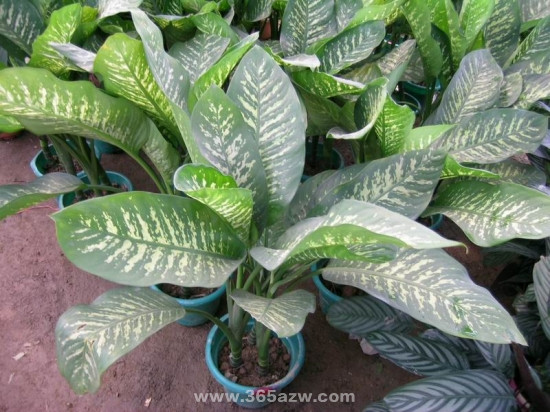
Care of lucky bamboo
1. Temperature: Lucky bamboo likes a warm and humid climate. It is not cold-tolerant, so when the temperature drops below 10°C, necessary insulation measures must be taken.
2. Light: When growing lucky bamboo outdoors in summer, pay attention to shading. Do not let the light be too intense, otherwise it can easily suffer sunscald.
3. Water and fertilizer: Spring and autumn are the peak growing seasons for lucky bamboo, so watering must be very sufficient, and the potting soil also needs to be kept moist often.
4. Pruning: As the lucky bamboo plant grows larger, in order to maintain a good plant shape, the old leaves at its base should be pruned frequently.
5. Pest and disease control: When the lucky bamboo clump becomes too dense, it leads to poor ventilation, and at this time it is prone to damage from scale insects, so everything should focus on prevention. If scale insects are found, use a 50% malathion emulsifiable concentrate diluted 1000-1500 times, spraying once every 7 days, and after 2-3 consecutive sprays the scale insects can be eliminated.
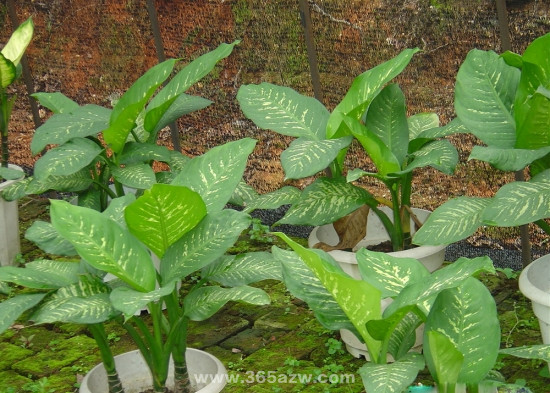
Precautions
1. Lucky bamboo is a fleshy-rooted plant. Waterlogging easily causes it to suffer from excess water, and too much watering easily causes root rot.
2. If lucky bamboo shows yellow, scorched leaf tips in winter, or even the whole plant withering, it is mainly caused by the roots being unable to absorb water, which affects growth.
3. When growing lucky bamboo indoors, maintain a warm, humid and semi-shaded environment. In summer, when growth is vigorous, it needs to be placed in a shaded spot to avoid strong light, otherwise it easily causes dry leaf tips and scorched edges, affecting the ornamental effect.