Dwarf Lilyturf (Ophiopogon japonicus): Benefits, Effects, and Correct Ways to Consume It Explained in Detail
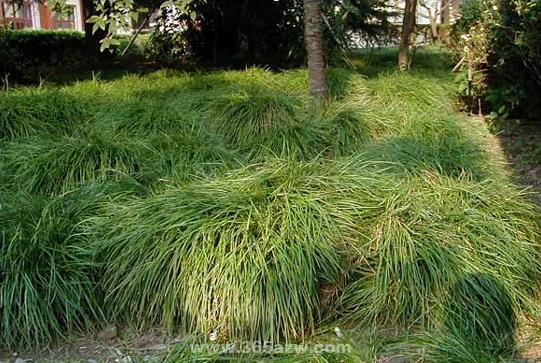
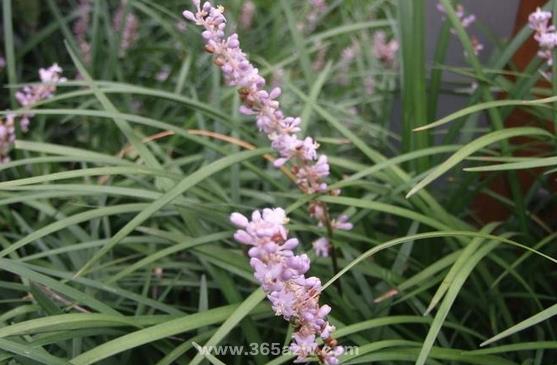
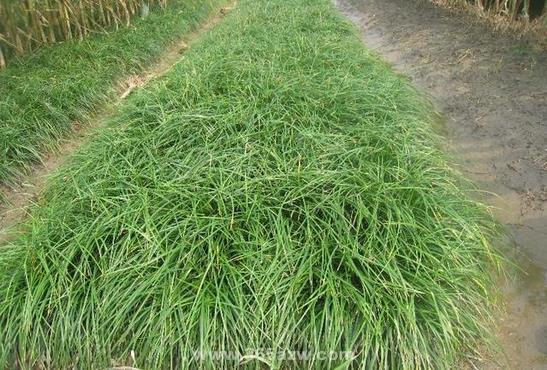
Dwarf lilyturf, also known as yanjiecao, shudaicao, maimendong, and cundong, is a perennial evergreen herbaceous plant of the genus Ophiopogon in the family Liliaceae. Its fibrous roots are relatively thick and sturdy, and the tip or middle of the root often swells into a spindle-shaped fleshy small tuber. The tuberous root is used as medicine. So, what are the benefits and effects of dwarf lilyturf? Let's take a look below.
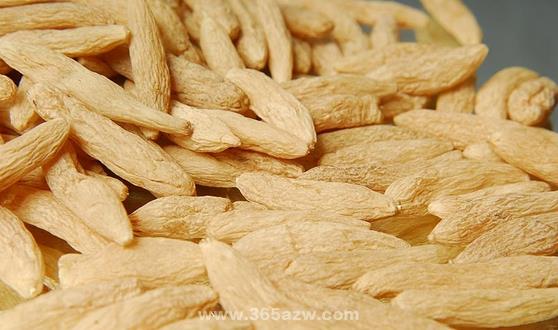
I. Benefits and Effects of Dwarf Lilyturf
Benefits of Dwarf Lilyturf
Nourishes yin and promotes fluid production, moistens the lungs and clears the heart.
Used for dry cough due to lung dryness, cough from consumptive disease, thirst due to damaged fluids, restlessness and insomnia, internal heat and wasting-thirst, constipation due to intestinal dryness, and pharyngeal diphtheria.
Nourishes yin and promotes fluid production, moistens the lungs and stops cough: used for scanty fluids and thirst, dry cough and hemoptysis due to yin deficiency of the lung and stomach; palpitations and easy startling due to insufficiency of heart yin, and damage to fluids by heat in the late stage of febrile disease, among other patterns.
Combined with adenophora (sand ginseng) and Fritillaria cirrhosa, it can treat dry cough due to lung yin deficiency.
Effects of Dwarf Lilyturf
1. Stomach yin deficiency pattern. This herb is sweet in flavor, soft and moistening, tends toward bitter and cold in nature, and excels at nourishing stomach yin, promoting fluid production and relieving thirst, while also clearing stomach heat. It is widely used for dry tongue and thirst, stomach duct pain, hunger without desire to eat, vomiting and hiccups, and dry bound stool in cases of stomach yin deficiency with heat. For damage to stomach yin by heat with dry mouth and tongue, it is often used together with fresh rehmannia, fragrant solomonseal rhizome, adenophora, and other items. For wasting-thirst, it can be used together with trichosanthes root, dark plum, and other items. Used together with pinellia, ginseng, and other items, it treats counterflow vomiting due to insufficiency of stomach yin, as in Ophiopogon Decoction (Maimendong Tang) from the Jin Gui Yao Lue (Essential Prescriptions of the Golden Casket). Used together with fresh rehmannia and scrophularia, it treats constipation due to damage to fluids by heat evil, as in Fluid-Increasing Decoction (Zengye Tang) from the Wen Bing Tiao Bian (Systematic Differentiation of Warm Diseases).
2. Lung yin deficiency pattern. This herb is also good at nourishing lung yin and clearing lung heat, and is suitable for dry nose and throat, dry cough with little phlegm, coughing blood, sore throat, and hoarseness of voice in cases of yin deficiency, lung dryness, and heat. It is often used together with donkey-hide gelatin, gypsum, mulberry leaf, loquat leaf, and other items, as in the Decoction for Clearing Dryness and Rescuing the Lung (Qingzao Jiufei Tang) from the Yi Men Fa Lu (Law of the Medical Gate).
3. Heart yin deficiency pattern. This herb can enter the heart channel, and can also nourish heart yin, clear heart heat, and has a slight effect of eliminating restlessness and calming the spirit. It can be used for restlessness, insomnia with profuse dreaming, forgetfulness, palpitations, and severe palpitations in cases of heart yin deficiency with heat. It should be combined with items that nourish yin and calm the spirit, as in the Heavenly Emperor's Heart-Supplementing Elixir (Tianwang Buxin Dan) from the She Sheng Mi Pou (Secret Revelations on Preserving Life), in which it is used together with fresh rehmannia, sour jujube seed, arborvitae seed, and other items. For damage to the heart nutritive level by heat with restlessness and scanty sleep, it should be combined with items that clear the heart, cool the blood, and nourish yin, as in the Decoction for Clearing the Nutritive Level (Qingying Tang) from the Wen Bing Tiao Bian (Systematic Differentiation of Warm Diseases), in which it is used together with coptis, fresh rehmannia, scrophularia, and other items.
II. Methods of Consuming Dwarf Lilyturf
1. For dry cough without phlegm and sore throat due to warm dryness damaging the lungs, use 9 g mulberry leaf, 7.5 g gypsum, 2 g ginseng, 3 g licorice, 3 g sesame seed, 2.4 g donkey-hide gelatin, 3.6 g dwarf lilyturf, 2 g apricot kernel, and 3 g loquat leaf, and decoct in water for oral administration. If treating depletion of lung yin, consumptive heat with coughing blood, and dry cough with sticky phlegm, use equal parts of asparagus fern (Tianmendong) and dwarf lilyturf, decoct in water and concentrate, then add honey to make a paste.
2. To treat insufficiency of heart qi with fright, palpitations, and forgetfulness, use 75 g dwarf lilyturf, 90 g polygala root, 90 g acorus rhizome, 45 g trichosanthes root, 90 g cyperus rhizome, 45 g asparagus fern, 45 g white atractylodes rhizome, 24 g akebia stem, 45 g prepared rehmannia, 45 g lycium root bark, 45 g fritillaria, 30 g ginseng, 30 g angelica, 30 g achyranthes root, 30 g astragalus, and 45 g poria, and make into pills.
3. Treating infantile malnutrition: 500 g dwarf lilyturf and 400 g millet. First spread the millet out, then evenly spread the dwarf lilyturf flat on top of the millet, add water so that it just covers the dwarf lilyturf by 1 cm, and heat over steady fire. During cooking, stir gently until the water is gone and the millet forms a paste and sticks to the bottom of the pot; then it is ready to use. For children over 2 years old, decoct and administer 3 to 4 times a day, using it up over 20 days. For children under 2 years old, the amount should be appropriately reduced.
4. Treating coronary heart disease with angina pectoris: 45 g dwarf lilyturf, put into water and decoct 2 to 3 times, combine the medicinal liquids obtained, and concentrate into 30 to 45 ml. Take in 3 divided doses, one dose per day, taken continuously for 3 to 18 months; it can benefit yin and nourish the heart.
5. Treating cracked nipples: 50 g dwarf lilyturf, grind into a fine powder, and put in a bottle for later use. When using the medicine, first wash the affected area clean with normal saline, then take an appropriate amount of the medicinal powder and mix with vinegar to form a paste, then evenly apply it to the affected area, changing the medicine once every 5 hours, using it 3 times in succession as one course of treatment. During treatment, do not eat spicy food and temporarily stop breastfeeding.
6. Treating constitutional yin deficiency: 2500 g dwarf lilyturf (fresh product, with the core removed) and 500 g honey. Mash the dwarf lilyturf and cook it thoroughly, squeeze out the juice, then add the honey, put it into a pot (do not use an iron pot), and cook with a double boiler. During cooking, stir constantly; when the medicinal juice is sticky like syrup, store it in porcelain for later use. Take one spoonful each time, twice a day, taken mixed with warm wine.