How to grow geraniums? Seedling raising, potting and care methods and precautions
Geranium is a perennial herb with rich flower colors, and its overall appearance gives a feeling of elegant slenderness. Geranium is relatively common in daily life and is generally grown at home as a potted plant. How are such good geraniums grown? What good methods are there in cultivation? What points need attention in cultivation? Please read on with me, carrying your questions!
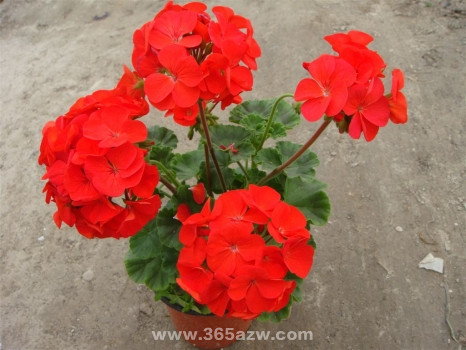
Geranium growing methods (basic knowledge):
Best propagation time: Geraniums can be propagated in both spring and autumn, with indoor pot sowing in spring being preferable.
Best growing soil: When growing geraniums, it is advisable to choose fertile, loose and well-drained sandy loam. A culture soil mixed with leaf mold, garden soil and sand can also be used. Before planting, first place tiles at the bottom of the pot to facilitate drainage.
Growing humidity requirements: Geraniums prefer dryness and dislike dampness. In winter, watering should not be excessive, and the soil should be kept alternately dry and moist. If the soil is wet, the stems are tender, which is unfavorable for the sprouting and opening of flower branches.
Best growing temperature: The most suitable growing temperature for geraniums is 16-24°C, and growth is most vigorous in the cool climate of spring and autumn. In winter, they should be moved into a greenhouse, with the temperature maintained at around 15°C and not lower than 8°C at night.
Best growing light: Geraniums like light. Except in summer when the sun is very strong and shading is needed or they should be placed indoors to avoid direct sunlight, at other times they should receive sufficient sunlight, with at least 4 hours of sunlight per day, so that they can keep blooming all year round.
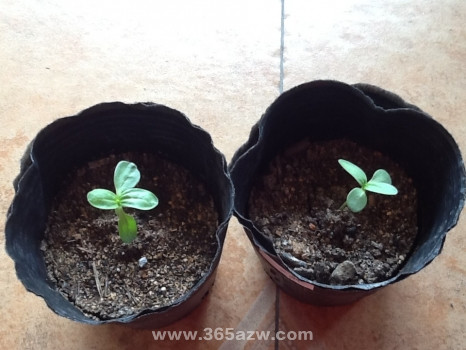
Precautions for growing geraniums:
Fertilizer application: During the growing period of geraniums, water and fertilizer management should be strengthened. Apply dilute liquid fertilizer 2-3 times a month, and after flower bud differentiation, phosphorus and potassium fertilizer should be added.
Propagation points: Geranium cuttings should not be propagated in summer, because high temperatures easily cause the cuttings to turn black and rot.
Pruning essentials: To make the plant's crown full and compact, geranium pruning should start with shaping and pruning from the seedling stage. Generally, when the seedling is 10 cm tall, pinch out the growing tip to promote new branches. Because it grows quickly, it needs pruning and shaping every year. Generally, the plant should be pruned at least 3 times a year. The first time is in March, mainly thinning branches; the second time is in May, cutting off spent flowers and overly dense branches; after the Beginning of Autumn, carry out the third pruning, mainly for shaping. Shaping is mainly done according to personal preference.
Pest and disease control:
1. Horticultural control: There should be ventilation and light between geranium plants, avoiding excessively high humidity; do not spray water directly on the plants, so as to avoid disease transmission by splashed water droplets; do not select cuttings from diseased plants, remove all diseased leaves and diseased branches, and avoid contaminating leaves with infected soil. Diseased soil should be treated in a centralized manner, and when necessary, sterilize the soil and flower pots. Pathogens can survive in the soil on propagation beds, so avoid splashing diseased soil onto healthy plants. Every 10-15 days, spray 1% Bordeaux mixture once for prevention.
2. Chemical control: Spray 1000 units of agricultural streptomycin, or try 14% copper ammonia complex 300-fold solution, or 50% sterilization agent 1000-fold solution.
3. Thoroughly remove all diseased plants and diseased residues. Soak and disinfect flower pots, planting benches and tools with 10% bleaching powder solution, disinfect the soil with 2% formalin solution, or replace it with new soil. Use disease-free seedlings.
4. Before and after geraniums develop disease, spray 1% Bordeaux mixture or (500-1000) X 0.000001 agricultural streptomycin, for several consecutive times.
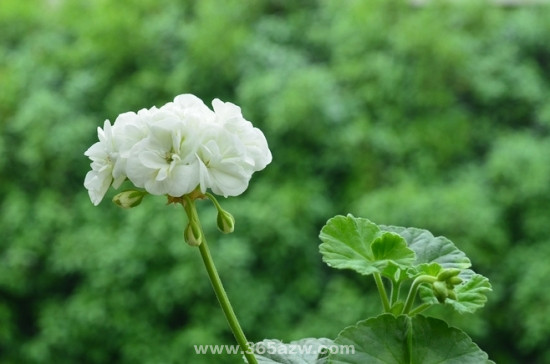
Experience in growing geraniums:
1. Pinching and pruning should not be too heavy, otherwise there will be few leaves for a long time, which will also delay the growth period and result in fewer flower buds and flowers.
2. In summer, when the temperature is high, the plant enters dormancy, so watering should be controlled and fertilization stopped.