How to grow Monstera deliciosa and notes on watering, tying and shaping
The Monstera deliciosa plant is an evergreen vine, named for its leaves that resemble the back of a thousand-year-old turtle and its many-jointed, bamboo-like stems. Monstera deliciosa grown indoors rarely blooms, and it is a well-known foliage plant. So how is Monstera deliciosa grown? What good methods are there in cultivation? And what points need attention in cultivation? Please read on with me, carrying your questions!
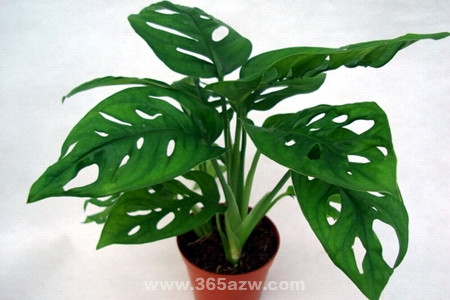
How to grow Monstera deliciosa (basic knowledge):
Best propagation time: Monstera deliciosa can be propagated by stem-node cuttings in both spring and autumn, with cuttings taken in spring from April to May and in autumn from September to October giving the best results.
Best growing soil: When growing Monstera deliciosa, keep it in fertile, loose, slightly acidic loam with high water absorption and good water retention, most often leaf mold or peat soil. For the pot, choose a large pot for cultivation, insert 1 wooden stick 1.3-1.5 m long into the pot, and plant the Monstera deliciosa; this first prevents lodging, and second lets it grow lushly attached to the pole.
Growing humidity requirements: The soil for growing Monstera deliciosa just needs to stay moist. In summer, spray water frequently to maintain high air humidity, and keep the leaves clean regularly to aid photosynthesis.
Best growing temperature: Monstera deliciosa likes warmth and moisture, and grows well at normal room temperature. It is not cold-tolerant, and the overwintering temperature must be above 5°C.
Best growing light: Monstera deliciosa is shade-tolerant and averse to direct sunlight, so as a potted plant it is best placed in a bright spot indoors.
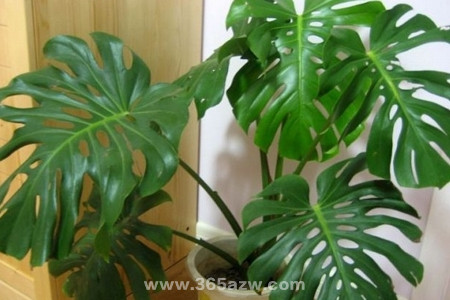
Notes on growing Monstera deliciosa:
Fertilizer application: During normal growth, apply a dilute liquid fertilizer once every 2 weeks or so.
Propagation key points:
1. Layering propagation: This can be done from May to August, and after about 3 months it can be separated from the mother plant to become a new plant.
2. Cutting propagation: Each spring, cut a node-bearing section from the stem, preferably with 2 nodes and leaves, and insert it directly into the planting pot; water thoroughly and place it in a warm, humid, shaded place, and it will root in about a month.
Pruning essentials: Monstera deliciosa is a large foliage plant with thick stems and large leaves. Especially when dividing adult plants, set up a frame and tie them, so as to prevent lodging and deformation. Once the shape is set, remove the frame. At the same time, after the shape is set, when the stem-node leaves grow too densely and the branches and vines grow too long, pay attention to pruning the whole plant, striving for a natural and beautiful look.
Watering essentials: During the growing period, Monstera deliciosa needs plenty of water; keep the potting soil moist frequently, watering once every 2-3 days; in dry weather, also spray water on the leaf surface to keep the air humid.
Potting soil replacement: Repot once a year. Repotting should be done between March and April. When repotting, remove the old soil, cut off dead roots, and then add decomposed organic fertilizer or phosphorus and potassium fertilizer to the pot as a base fertilizer.
Pest and disease control: Monstera deliciosa is highly susceptible to scale insect damage, and the stems and leaves are most vulnerable to scale insects; they can be cleaned with an old toothbrush and then sprayed with a 1000-fold dilution of 40% omethoate. Common diseases of Monstera deliciosa include leaf spot, gray leaf spot and stem blight, and timely control should be noted.
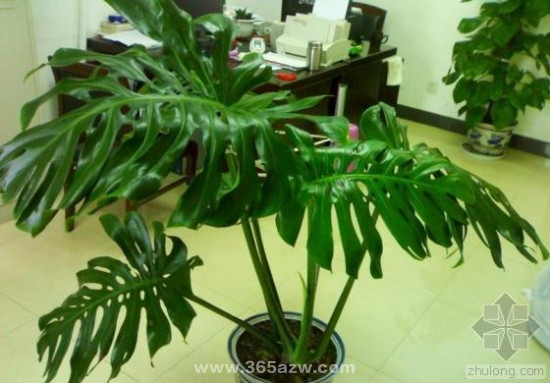
Tips from growing Monstera deliciosa:
1. It fears strong sunlight and scorching. Monstera deliciosa is a typical shade-tolerant plant, and large-scale production requires shade facilities, such as a 50% shade net; especially for sown seedlings and newly rooted cuttings, direct sunlight must be avoided to prevent leaf scorch. Mature plants should also be shaded during midsummer, otherwise the leaves age, lack natural luster, and their ornamental value is reduced.
2. It fears dry air. Monstera deliciosa grows naturally in tropical rainforests and likes moisture, but waterlogging in the potting soil will also cause root rot, making the plant stop growing, with leaves drooping, losing luster, and becoming uneven. Watering should follow the principle of preferring moist over dry, keeping the potting soil moist often but not waterlogged; in spring and autumn, water once every 2-3 days. In midsummer, besides watering daily, spray water several times to keep the leaves fresh, and for hanging cultivation, spray even more frequently. In winter, leaf transpiration weakens, so the amount of watering should be reduced.
3. Apply light fertilizer frequently. Monstera deliciosa is a fairly fertilizer-tolerant foliage plant; to encourage more new leaves and keep the leaf color emerald green with a natural luster, apply fertilizer once every half month during the growing season, and be careful not to let the fertilizer solution stain the leaf surface. At the same time, the roots of Monstera deliciosa are rather tender, and raw fertilizer and concentrated fertilizer should be avoided to prevent root burn. It is best to use "Huiyou" 20-8-20 all-season high potassium nitrate fertilizer and 20-20-20 general-purpose fertilizer, which are more beneficial to the growth of Monstera deliciosa.
4. It needs tying and shaping. Monstera deliciosa is a large foliage plant with thick stems and large leaves. Especially when dividing adult plants, set up a frame and tie them, so as to prevent lodging and deformation. Once the shape is set, remove the frame. At the same time, after the shape is set, when the stem-node leaves grow too densely and the branches and vines grow too long, pay attention to pruning the whole plant, striving for a natural and beautiful look.