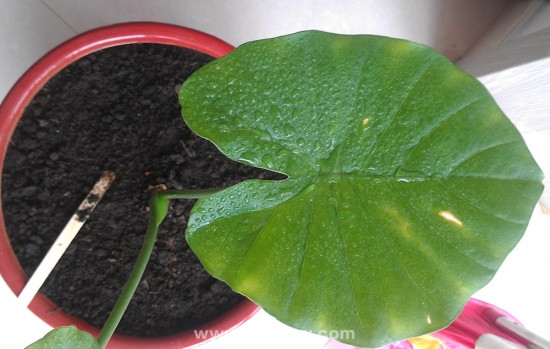
What to do when the leaves of the elephant ear (Alocasia macrorrhizos) turn yellow? Detailed solutions are here
The elephant ear can only grow well in an environment no lower than 18°C, and this is especially important to note when growing it indoors for ornamental purposes. Below is a detailed introduction to the problem of yellowing leaves on the elephant ear.
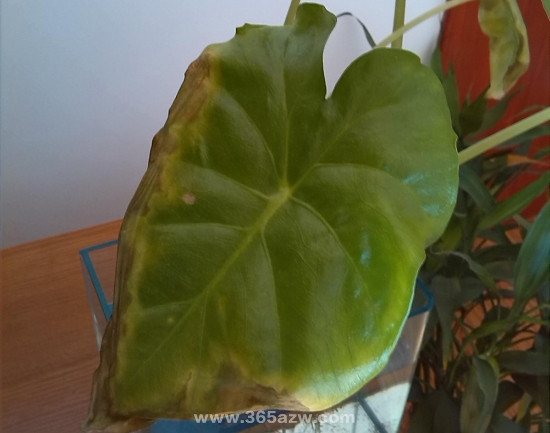
Causes of and treatments for yellowing leaves on the elephant ear
Analysis one: The elephant ear needs to grow in a cool, shaded environment with some light. If it does not get enough light for a long time, its leaves will lack chlorophyll, and over time the leaves will turn yellow.
Solution: Pay attention to the lighting, and place it in a spot with light and good ventilation.
Analysis two: Not watering for a long time can also cause the leaves to turn yellow due to drought.
Solution: The elephant ear is quite thirsty, so keep the soil moist at all times. When watering, make sure to water thoroughly, not just wet the surface of the soil.
Analysis three: If the soil is too poor and lacks nutrients, it can also cause the leaves to turn yellow.
Solution: Add nutrients to the soil in time, and apply some nitrogen and phosphorus fertilizer and organic fertilizer.
Analysis four: The elephant ear is more suited to a warm and humid climate. Because winter temperatures are low, leaving it outdoors for a long time makes it very easy for the leaves to suffer cold damage and turn yellow.
Solution: At this time, place it indoors at a constant temperature and in a spot with plenty of light.
Analysis five: The elephant ear is also prone to pests, especially red spider mites, which gather densely on the leaves and cause the leaves to lose nutrients and water and turn yellow.
Solution: At this time, you can spray a pesticide solution to control them.
Analysis six: If a lot of dust builds up on the leaves, it will block the leaves' absorption of light and cause the leaves to turn yellow.
Solution: Maintain the leaves regularly, and you can wipe them with clean water.
Precautions for growing the elephant ear
Note that the sap that flows out of the stems and leaves of the elephant ear is toxic, especially the root tuber. It must not be eaten, and contact with the sap should be avoided. Once your hands touch it, wash your hands promptly.