Is the Peace Lily a sign of everything going as wished? A detailed guide to growing it
Nowadays, many households buy plants to decorate their surroundings and purify the air, and some people buy them for the symbolism certain plants carry. The Peace Lily is one of them; it symbolizes that everything goes as wished and life is happy and complete, so many people give it as a gift when a friend moves into a new home. So do you know how to grow it? Let's learn together below.
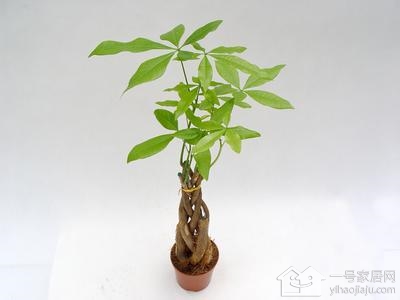
How to grow the Peace Lily
1. How to choose the potting soil for growing the Peace Lily: For a potted Peace Lily, the potting soil should preferably be a loose, fertile, well-drained, organic-rich acidic sandy loam, which is also the potting soil requirement for most indoor flowers. If the soil is heavily sticky or has low acidity, the leaves of the plant will turn yellow and new sprouting and renewal will decline, thus affecting the plant's lifespan.
2. Sunlight requirements for the Peace Lily: All plant growing needs good light for photosynthesis to promote effective growth. As a light-loving plant, the Peace Lily naturally needs enough light, but at the same time it is also very afraid of harsh sun exposure, so in the strong summer sun the plant should be effectively shaded and protected, or the pot can be placed in a spot indoors with weaker sunlight, where it will still grow well, because the Peace Lily is relatively shade-tolerant as well. In addition, plants that have grown for three to five years should be protected from harsh sun exposure, while plants that have grown for six to ten years can take more light to promote their effective growth.
3. Suitable temperature for growing the Peace Lily: The best temperature for the Peace Lily's growth is 22°C to 30°C, and the lowest temperature must not fall below 5°C. If there is freezing or consecutive frosty days, insulation work should be done well to prevent the bark from splitting from frost and the branches and leaves from withering, or in serious cases the plant may freeze to death.
4. Fertilization knowledge for growing the Peace Lily: For a newly planted potted plant, once it has sprouted, fertilizer can be applied once a month, but during fertilization, care should be taken to apply it thinly and lightly, not too concentrated or too much, otherwise it easily burns the roots of the plant, causing the leaves to wither and yellow until it dies. In addition, before winter begins, some potassium dihydrogen phosphate solution can be applied to enhance the plant's cold resistance.
5. How to water the Peace Lily: During the spring and summer growing seasons of the Peace Lily, the potting soil must always be kept moist, and the leaves and the growing environment should be misted frequently to keep the growing environment at good air humidity. In addition, when watering, some vinegar can be added to raise the acidity of the soil; especially given the relative lack of acidity in northern soil, vinegar can be added to the water to adjust the soil's acidity.
6. Loosening the soil and repotting the Peace Lily: During the growing season of a potted Peace Lily, it is best to loosen the soil once a month to always keep its root system in a well-aerated state. Small Peace Lily plants can be repotted once a year, while large Peace Lily plants can be repotted once every 2 to 3 years. When repotting, some of the dead root system can be trimmed off first to ensure the potted plant grows normally.
Using a Peace Lily to accent the living room at home can both add a plain and elegant style to the living room and bring fresh air to it, achieving two things at once, so why not do it. The above is the Peace Lily growing method introduced to you; have you learned it? Hurry and plant one for yourself.