How to grow Alocasia amazonica? Growing methods for Alocasia amazonica
Alocasia amazonica has seen a sharp rise in sales thanks to its shape resembling a lotus throne, its succulent texture, and its pleasing purple-red leaf tips. So do you know how to grow Alocasia amazonica? Let me introduce the growing methods for Alocasia amazonica.
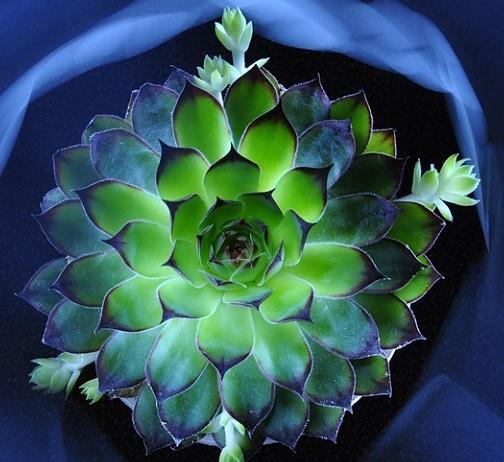
Alocasia amazonica is a plant that prefers warmth, humidity and plenty of sunlight. It grows in shaded, damp understory environments with abundant and evenly distributed rainfall. Deep, well-drained, fertile and loose sandy loam is most suitable. It fears waterlogging, can be grown continuously but is best rotated.
Growing time for Alocasia amazonica
April and May are suitable for planting, and keeping the temperature at 20-25°C or above is beneficial for seedling growth. After planting, water once every 2 to 3 days to keep the soil moist. Do not overwater, to avoid root rot and stem rot.
Alocasia amazonica is commonly propagated by division. Generally, when temperatures are higher in spring and summer each year, divide the densely tillering plants along the separation points of the underground tubers, so that each part has 2-3 plants, then pot them separately. Alternatively, in spring before new buds sprout, dig out the underground tubers, cut them into sections, disinfect and preserve the wounds with plant ash or sulfur powder, let them dry slightly, then wrap them in sphagnum moss, or place them in loose, air-permeable, well-drained soil so they grow adventitious roots and sprout new buds.
Suitable soil for Alocasia amazonica
For potted Alocasia amazonica, use loose, well-drained, air-permeable soil rich in humus. Generally, an equal mix of leaf mold, garden soil and river sand can be used as the substrate. April to September is its vigorous growth period; at this time it requires moist soil and relatively high air humidity, and needs sufficient water. This plant is easy to grow, and ordinary soil can be used for the pot; a better option is garden soil plus one third humus soil, plus one third river sand or coal cinder, mixed with a little bone meal.
Suitable temperature for Alocasia amazonica
The optimum growing temperature is 22-30°C. After November, when the temperature falls below 20°C, the plant grows slowly or stops growing, and the above-ground parts begin to turn yellow, wilt and wither, entering dormancy in winter.
Do not expose it to blazing sun, to avoid large areas of sunburn on the plant. In high summer temperatures, as long as the soil is kept moist, water is sprayed frequently, and shade is provided, it can still grow normally. In winter, room temperature must not be lower than 5°C. Alocasia macrorrhizos is an understory plant of tropical rainforests, so its growth requires high humidity, and diffused light is best.
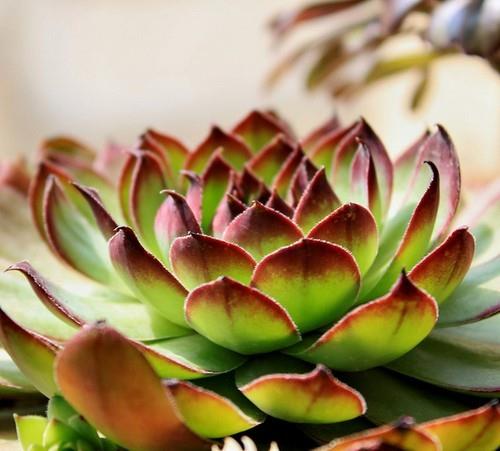
Watering as a growing method for Alocasia amazonica
In spring and autumn, water about once every 15 days; in summer, once every 4 or 5 days, avoiding the hottest midday period. If winter room temperature cannot reach 15°C, watering should be controlled, otherwise the plant is prone to root rot. Under normal circumstances, spraying warm water once a week is enough to keep its leaves dark green.
Do not water too much normally, and try to avoid water droplets touching the leaves. Provide plenty of light, and turn the pot in a different direction every 3 or 4 days so that all sides of the lotus-like rosette receive light; this will make it grow flat, with enticing emerald-green leaves. But do not expose it to blazing sun.
Light as a growing method for Alocasia amazonica
Alocasia amazonica requires semi-shaded conditions throughout its growing period. If the light is too strong, the leaf color easily becomes dull and sunscald may occur; but if the light is too weak, it easily becomes leggy, growing thin and prone to lodging. During the vigorous growth period, apply 1-2 times a month of dilute liquid fertilizer according to the plant's growth, and add extra phosphorus and potassium fertilizer, to help the stems stand upright and grow robustly, and also to help the underground tuber grow plump and survive the cold winter.
Pruning as a growing method for Alocasia amazonica
If you want to keep Alocasia macrorrhizos indoors and compact and delicate, then simply wait until its seedlings grow to about one chi and are suitable for placement at home, then immediately spray the whole plant with a 2% paclobutrazol solution; the stems and leaves that grow afterward will be no taller than 40 cm, with thick leaves and high ornamental value. Spraying once about every six months can achieve a good height-control effect.
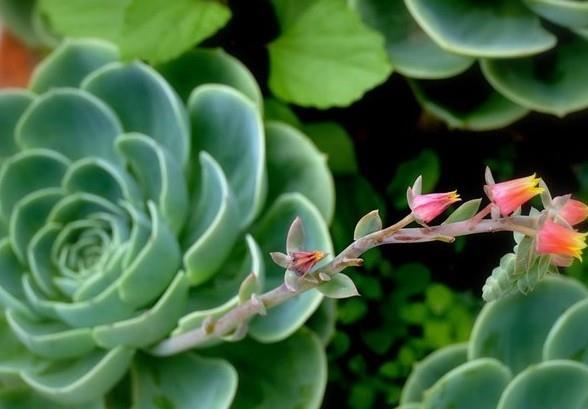
Precautions for growing Alocasia amazonica
1. Alocasia amazonica can also be propagated by tissue-culture plantlets. After purchasing the plantlets, before planting, disinfect them with 1500 to 2000 times diluted chlorothalonil. After preparing the solution, soak the whole seedling for disinfection.
2. Light requirements for Alocasia amazonica: the light should be neither too strong nor too weak.
3. When potting Alocasia amazonica, apply sufficient base fertilizer, and properly keep a few side buds beside the large bulb to increase the density of flowers and leaves and their ornamental value.
4. Properly control watering, increase ventilation, and maintain spacing between plants so that Alocasia amazonica has a beautiful plant shape. Do not water too much; also pay attention to watering time, especially during high summer temperatures, when leaf water evaporation is high and water demand is greater. Water shortage easily makes the leaves wilt, so the leaves must be sprayed frequently while keeping the environment humid, but water accumulation in the pot must be avoided, otherwise it will cause root rot. In autumn, watering must be reduced as much as possible, and the plant placed in a warm, windless, dry place, keeping the potting soil appropriately dry (only slightly moist) to help it overwinter safely; if humidity is high and temperature is low, the tuber easily rots.
5. During the growing period, Alocasia amazonica likes sufficient water; frequently sprinkle water on the leaves and ground, and pay attention to keeping the leaves clean. Apply liquid fertilizer once every half month. After fertilizing, immediately rinse with clean water as a precaution. Move it into a greenhouse before frost, keeping room temperature above 10°C. During maintenance, to avoid too many leaves affecting light exposure, the outer leaves can be removed, which also helps the flower stalk extend.
Master the plant's growing methods and memorize the cultivation techniques for Alocasia amazonica. Growing a pot of noble Alocasia amazonica in your warm home will add a lot of color to your room.