How do you care for Serissa japonica to keep it fresh and elegant? A detailed guide to care methods
Serissa japonica (snow-in-summer) is a plant with tiny white flowers, fresh and elegant, and it is suitable for growing at home. Do you want to grow such a lovely Serissa japonica? Below are the cultivation methods and points to note for Serissa japonica; take a look together.
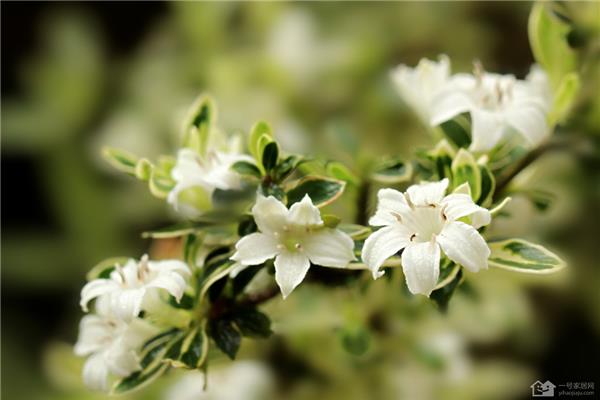
For potted Serissa japonica, the soil must be rich in humus, loose and airy, and well draining. You can mix 4 parts decomposed cow manure, 1 part decomposed cake fertilizer, 4 parts garden soil, and 1 part coal ash. After potting, place it first in semi-shade, keep the potting soil moist, and tap water must be exposed to sunlight before use. It has a certain drought tolerance, but it is not tolerant of waterlogging. Watering should follow the principle of "dry then wet, do not water if not dry." During the rainy season, prevent water from accumulating in the pot; if the weather is very rainy, place the pot on its side. In summer, when temperatures are high, spray water on the leaves to cool them and increase air humidity, so as to promote growth and flowering. Every half month, you can also water once with a 1% edible vinegar solution to avoid soil alkalization and plant yellowing. During the growing season, apply a dilute liquid fertilizer once every 10-15 days, or you can fertilize with water, that is, mix dilute liquid fertilizer into the water each time you water. In addition to soil fertilization, root-outside topdressing should also be done frequently, spraying the leaves with a 1% potassium dihydrogen phosphate solution to adjust the pH and increase the plant's nutrition. In summer, Serissa japonica should avoid exposure to harsh sunlight. You can use a small-hole nylon net or plastic window screen to build a half-light shade shed, creating a microclimate suitable for the plant's growth.
In summer, when it is hot and dry, in addition to watering every day, use clean water to sprinkle the leaf surfaces and nearby ground in the morning and evening to lower the temperature and increase air humidity. The Serissa japonica plant should be placed under a shade shed, and never left in strong sunlight for a long time. After autumn begins, as the temperature drops, gradually control the amount of watering, watering once every 2 to 3 days. In winter, move it into a cold room or indoors for overwintering where the temperature does not fall below 0°C, watering once every 20 to 30 days; if the room temperature is above 15°C, it remains evergreen and does not drop its leaves, so water once every 7 to 10 days, and maintain moist air and give it sunlight exposure. During severe cold, it must never be allowed to freeze, otherwise it is likely to die. Before taking it out in March each year, repot it with leaf mold soil, and use hoof and horn pieces as a base fertilizer at the bottom of the pot.
Serissa japonica is artificially cultivated in fertile sandy loam soil. Move it into a greenhouse in mid-October, keep the room temperature at 10-15°C, and water thoroughly once a week. Move it out of the greenhouse in late April and place it under a shade shed for care. It does not need heavy fertilizer; apply a dilute liquid fertilizer once a month and keep the potting soil moist, and it will grow well. In winter, if Serissa japonica is kept above 5°C, its branches and leaves remain lush and evergreen, but the soil must not be too dry; keep it slightly moist. Because Serissa japonica has very strong sprouting ability, many new branches will sprout from the main trunk and roots, so excess new shoots should be removed in time to avoid consuming nutrients and disrupting the normal development of the tree shape. Branches that sprout after flowering and protrude beyond the crown should also be pruned, otherwise the ornamental effect will be affected.
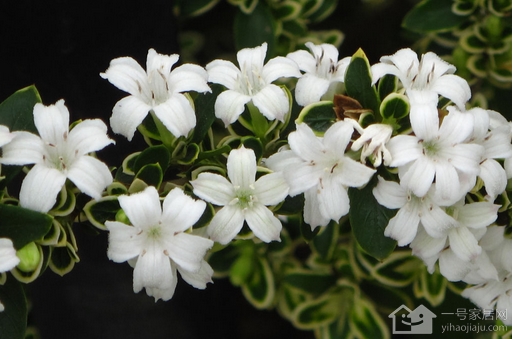
There are many details in growing Serissa japonica. If you want to grow it, you should carefully read the related knowledge above. To grow plants, you need to put in a little more thought and irrigate with care. Do you understand now?